








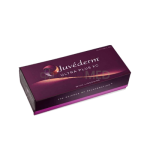





Novera Retatrutide
| Category: | Peptides |
| Brand | Novera |
| Strength | 10mg, 20mg, 5mg, 60mg |
| Form | Lyophilized powder |
| Purity (%) | ≥99 |
| CAS number | 2381089-83-2 |
| Chemical Formula | C₂₂₁H₃₄₂N₄₆O₆₈ |
| Molecular weight | 4731 |
| Synonyms | GIP-GLP1-Glucagon-agonist-Retatrutide, GLP-1 R, Triple-agonist-peptide |
| Peptide sequence | Proprietary modified peptide |
| Storage | Store at 2-8 °C. Protect from light and moisture |
| Shelf Life (lyophilized) | 18-24 months |
| Shelf Life (after reconstitution) | 7-14 days |
Learn more...
Retatrutide is a synthetic peptide engineered by Eli Lilly as a triple receptor agonist that simultaneously activates GLP-1, GIP, and glucagon receptors. Researchers study the compound to understand multi-pathway metabolic signaling in obesity, type 2 diabetes, and hepatic steatosis models. Phase 2 results showed a mean 24.2% weight reduction at 48 weeks in 338 adults with obesity (Jastreboff et al., 2023, New England Journal of Medicine). Phase 3 trials are running, but no phase 3 outcome has been published in a peer-reviewed journal.
Novera Retatrutide is supplied for laboratory research only. It is an investigational compound with no marketing authorisation, and all material is sold strictly for research use only, never for human or veterinary use.
What Novera Retatrutide Is
Retatrutide (LY3437943) is a single-chain synthetic peptide carrying a fatty-acid modification that gives it albumin binding and a long circulating life. Coskun et al. (2022, Cell Metabolism) characterise it in vitro as showing balanced glucagon-receptor and GLP-1-receptor activity but more GIP-receptor activity, and report that in a phase 1 single-ascending-dose study the pharmacokinetic profile supported once-weekly dosing, with body weight still reduced 43 days after one dose.
The experimental significance of these modifications goes beyond simple receptor binding. Li et al. (2024, Cell Discovery) solved cryo-EM structures of retatrutide bound to GLP-1R, GIPR and GCGR, which is the structural basis for comparing a triple agonist against mono- and dual-agonist scaffolds on the same molecular chassis. Native glucagon activates only GCGR, and native GIP activates only GIPR. Retatrutide’s engineered backbone means that a single, well-characterized molecule can generate multi-pathway signaling across all three targets, allowing researchers to compare triple agonist effects against GLP-1 mono-agonists or dual GLP-1/GIP agonists using a consistent molecular scaffold that reduces pharmacokinetic variability between experimental arms.
Why Researchers Study Retatrutide
The compound’s triple agonism provides a single tool for examining obesity, type 2 diabetes, NAFLD/NASH, and cardiometabolic risk pathways in controlled settings. Concurrent activation of GLP-1R, GIPR, and GCGR differs from single-target incretin analogs because it layers appetite suppression and insulin secretion (via incretin receptors) with glucagon-driven effects on hepatic lipid metabolism and energy expenditure. Laboratories use this molecule as a reference point for dissecting which metabolic effects require glucagon co-agonism versus those achievable with incretin signaling alone.
Obesity and Body-Weight Regulation
In a 2023 Phase 2 randomized, double-blind, placebo-controlled trial, Jastreboff et al. treated 338 adults with obesity (BMI of 30 or above, or 27 or above with comorbidity, without diabetes) with weekly retatrutide at doses of 1, 4, 8, or 12 mg over 48 weeks (NEJM, 2023). The 12 mg group achieved a mean weight reduction of 24.2% from baseline, compared with approximately 2.1% in the placebo arm. Roughly 83% of participants in the 12 mg group reached at least 15% weight loss by week 48.
“In adults with obesity, retatrutide treatment for 48 weeks resulted in substantial reductions in body weight.” (Jastreboff et al., 2023, New England Journal of Medicine)
Cross-trial comparisons suggesting greater weight loss than semaglutide or tirzepatide are hypothesis-generating only, because no direct head-to-head clinical trial has been completed between retatrutide and either approved compound. The Phase 2 sample size was modest, and long-term durability of effect beyond 48 weeks remains unproven. Retatrutide is in phase 3 through the TRIUMPH programme. No phase 3 result has been published in a peer-reviewed journal, so the 48-week phase 2 data remain the furthest the evidence goes.
Type 2 Diabetes and Glycemic Control
A phase 1b multiple-ascending-dose trial reported by Urva et al. (2022, The Lancet) tested retatrutide in people with type 2 diabetes and reported dose-dependent reductions in HbA1c and body weight over 12 weeks. Mechanistically, GLP-1R and GIPR agonism boosts glucose-dependent insulin secretion from pancreatic beta cells, while GCGR activation can increase hepatic glucose output. The incretin component appears to counterbalance this glucagon-driven glucose elevation in the populations studied so far, but the diabetes program remains investigational with small sample sizes and no completed cardiovascular-outcomes trial as of 2026.
Coskun et al. (2022) report that in vitro the compound has balanced glucagon-receptor and GLP-1-receptor activity but greater GIP-receptor activity, which is the cell-level reason the incretin arms can offset glucagon-driven hepatic glucose output. These findings cannot substitute for long-term clinical safety data in diabetic populations.
NAFLD, NASH, and Hepatic-Metabolism Research
Sanyal et al. (2024, Nature Medicine) measured liver fat by MRI-PDFF in 98 participants from the phase 2 obesity trial who had metabolic dysfunction-associated steatotic liver disease and at least 10% liver fat. The mean relative change at 24 weeks was -81.4% at 8 mg and -82.4% at 12 mg against +0.3% for placebo (P less than 0.001 for all active doses), and the liver-fat reductions tracked changes in body weight, abdominal fat and measures of insulin sensitivity and lipid metabolism.
“normal LF (<5%) was achieved by 27% (1 mg), 52% (4 mg), 79% (8 mg), 86% (12 mg) and 0% (placebo)” (Sanyal et al., 2024, Nature Medicine, at 24 weeks; LF = liver fat)
Preclinical rodent work points the same way: Coskun et al. (2022) report that in obese mice LY3437943 decreased body weight and improved glycemic control, with the extra weight loss over incretin-only signalling coming from glucagon-receptor-mediated energy expenditure. A critical limitation: MRI-PDFF measures fat content, not inflammation or fibrosis. No biopsy-proven improvement in steatohepatitis has been demonstrated, and regulators may require histological endpoints in future trials before any NASH-related indication could be considered.
Energy Expenditure and Cardiometabolic Risk
GCGR activation is hypothesized to raise resting energy expenditure and promote fat oxidation. Coskun et al. (2022) attribute part of the weight loss in obese mice to a glucagon-receptor-driven rise in energy expenditure layered on top of the calorie-intake reduction produced by GIP and GLP-1 receptor signalling. No human indirect-calorimetry or clamp data have been published.
“In obese mice, administration of LY3437943 decreased body weight and improved glycemic control.” (Coskun et al., 2022, Cell Metabolism; LY3437943 is retatrutide)
Cardiovascular safety and outcome benefits are unproven: no long-term cardiovascular outcomes trial has been completed as of 2026, and the dose-dependent heart-rate increase reported in the phase 2 trial, which peaked at 24 weeks before declining, is itself an unresolved question for a compound intended for chronic exposure.
How Retatrutide Compares With Related Compounds
Laboratories routinely compare retatrutide with GLP-1-only agents such as semaglutide and dual GIP/GLP-1 agonists such as tirzepatide when planning metabolic studies. The table below summarizes key differences relevant to protocol design.
| Compound | Primary Receptor Targets | Evidence Level As Of 2026 | Typical Research Focus |
|---|---|---|---|
| Retatrutide | GLP-1R, GIPR, GCGR (triple agonist) | Phase 2 obesity and diabetes trials completed; Phase 3 obesity program underway | Multi-pathway obesity, NAFLD/NASH, energy expenditure, glucagon biology |
| Tirzepatide | GLP-1R, GIPR (dual agonist) | Completed Phase 3 and outcome trials in type 2 diabetes and obesity; approved medicine in several regions | Dual incretin signaling, weight loss and glycemic control benchmarking |
| Semaglutide | GLP-1R only | Extensive Phase 3 and outcome data in diabetes, obesity, and cardiovascular risk; FDA-approved alternatives for weight management | GLP-1 reference model for single-pathway incretin agonism |
Researchers select retatrutide when a protocol needs to isolate the incremental contribution of glucagon co-agonism beyond what dual incretin signaling achieves. Tirzepatide serves as the appropriate comparator when the question concerns GIP/GLP-1 interaction without glucagon engagement, and its larger outcome datasets make it a stronger benchmark for translational endpoints. Semaglutide remains the standard single-pathway control for in vitro laboratory research and animal models measuring pure GLP-1R effects. Because no head-to-head trial has compared all three in matched human populations, cross-trial inferences remain exploratory rather than conclusive.
What Research on Retatrutide Does Not Establish
Retatrutide is an investigational compound and the published record stops at phase 2. There is no published phase 3 outcome, no completed cardiovascular outcomes trial and no histological liver endpoint, so nothing on this page amounts to proof of safety or efficacy for any indication.
Several claims circulate online that have no published support. A cure for obesity, reversal of NASH fibrosis and equivalence to approved medicines are all unsupported, and no head-to-head trial against semaglutide or tirzepatide has been completed, so every comparison with those compounds is a cross-trial inference rather than a measured difference.
Adverse-event signals in the phase 2 obesity trial were dose-dependent gastrointestinal events, mostly mild to moderate and partly mitigated by a lower starting dose, and dose-dependent heart-rate increases that peaked at 24 weeks and declined afterwards (Jastreboff et al., 2023). Effects on lean mass and bone density over the long term have not been measured in any species. Existing trials enrolled selected populations and excluded people with advanced cardiovascular disease, severe renal or hepatic impairment, so findings cannot be generalized across all patient groups.
Liver fat reductions measured by MRI-PDFF are not equivalent to biopsy-proven improvement in steatohepatitis, inflammation, or fibrosis. No histological endpoints have been reported. The translation from imaging surrogate to clinical liver-disease outcomes remains unproven.
Where To Buy Novera Retatrutide
Laboratories and institutional buyers looking to buy retatrutide peptide online can order Novera Retatrutide through this store. All orders are restricted to institutional purchasers and licensed professionals, and the compound is intended exclusively for research purposes.
-
Estimated delivery time 3 to 7 days.
-
Free shipping on orders over $750.
-
All US import fees and tariffs are covered by Ogomed, so the buyer pays nothing extra; customs checks under the new US import rules can add a little time to delivery.
-
Price match: if the same product is listed for less elsewhere, Ogomed will try to match it.
-
Support by phone +1-650-457-5621 and email, 10am to 6pm EST.
-
Sold to licensed professionals, for laboratory research use only.
Anyone looking to buy retatrutide online or searching where to buy retatrutide peptide is required to order on behalf of a qualified researcher or laboratory, with no sales for personal, clinical, or human use.
References
- Jastreboff, A. M., et al. (2023). Triple-Hormone-Receptor Agonist Retatrutide for Obesity: A Phase 2 Trial. The New England Journal of Medicine, 389(6), 514-526. DOI: 10.1056/NEJMoa2301972
- Coskun, T., et al. (2022). LY3437943, a novel triple glucagon, GIP, and GLP-1 receptor agonist for glycemic control and weight loss: From discovery to clinical proof of concept. Cell Metabolism, 34(9), 1234-1247.e9. DOI: 10.1016/j.cmet.2022.07.013
- Urva, S., et al. (2022). LY3437943, a novel triple GIP, GLP-1, and glucagon receptor agonist in people with type 2 diabetes: a phase 1b, multicentre, double-blind, placebo-controlled, randomised, multiple-ascending dose trial. The Lancet, 400(10366), 1869-1881. DOI: 10.1016/S0140-6736(22)02033-5
- Li, W., et al. (2024). Structural insights into the triple agonism at GLP-1R, GIPR and GCGR manifested by retatrutide. Cell Discovery, 10(1), 77. DOI: 10.1038/s41421-024-00700-0
- Sanyal, A. J., et al. (2024). Triple hormone receptor agonist retatrutide for metabolic dysfunction-associated steatotic liver disease: a randomized phase 2a trial. Nature Medicine, 30(7), 2037-2048. DOI: 10.1038/s41591-024-03018-2
Retatrutide (LY3437943) is a synthetic peptide developed by Eli Lilly as a triple agonist targeting GLP-1, GIP and glucagon receptors simultaneously. Novera Retatrutide is supplied solely as a research reagent, not as a medicine, and is sold strictly for research use only.
The compound enhances glucose-dependent insulin secretion through GLP-1R and GIPR incretin pathways while engaging glucagon receptors that modulate hepatic metabolism and energy expenditure. Evidence comes from in vitro receptor assays, diet-induced obese rodent models, and early-phase human trials reported by Coskun et al. (2022) and Urva et al. (2022).
Phase 2 human trials reported substantial weight loss (mean 24.2% at 12 mg over 48 weeks) and improvements in glycemic and hepatic-fat markers. Long-term safety beyond 48 to 52 weeks, durability of effect, and cardiovascular risk reduction remain unproven, and the compound is currently in Phase 3 trials with no regulatory approval.
Retatrutide adds glucagon-receptor agonism to the GIP/GLP-1 activity shared with tirzepatide, creating a triple agonist profile versus a dual one. Tirzepatide has large completed outcome datasets and approved indications, whereas retatrutide remains investigational, so direct efficacy comparisons come from cross-trial inferences rather than head-to-head data.
Laboratories purchase retatrutide peptide products for diet-induced obese rodent models, ex vivo pancreatic islet assays, hepatic steatosis experiments using MRI-PDFF or liver slice preparations, and receptor-signaling assays measuring cAMP accumulation and beta-arrestin recruitment. All usage takes place under institutional oversight for research use only.
Chronic safety beyond one to two years, rare adverse effects, and outcomes in high-risk populations such as advanced cardiovascular disease or severe liver impairment are not yet mapped. Optimal dose ranges, effects on lean mass and bone density, and potential combinations with other agents are still under investigation in ongoing Phase 3 programs.
No. Retatrutide is not on the 2026 WADA Prohibited List. GLP-1, GIP and glucagon receptor agonists are not named on it and no class entry covers them; the S4.4.1 metabolic-modulator entry names AMPK activators such as AICAR and MOTS-c, not incretin agonists.
Licensed professionals and institutional buyers can order Novera Retatrutide through this store. All orders are fulfilled strictly for laboratory research use, with no supply for human or veterinary treatment.
| Category: | Peptides |
| Brand | Novera |
| Strength | 10mg, 20mg, 5mg, 60mg |
| Form | Lyophilized powder |
| Purity (%) | ≥99 |
| CAS number | 2381089-83-2 |
| Chemical Formula | C₂₂₁H₃₄₂N₄₆O₆₈ |
| Molecular weight | 4731 |
| Synonyms | GIP-GLP1-Glucagon-agonist-Retatrutide, GLP-1 R, Triple-agonist-peptide |
| Peptide sequence | Proprietary modified peptide |
| Storage | Store at 2-8 °C. Protect from light and moisture |
| Shelf Life (lyophilized) | 18-24 months |
| Shelf Life (after reconstitution) | 7-14 days |
Learn more...