





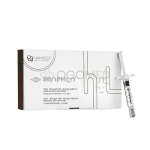



Novera BPC-157 30 tablets 500mcg
In Stock
| Category: | Peptides |
| Brand | Novera |
| Strength | 500mcg |
| Form | Tablets |
| Purity (%) | ≥99 |
| CAS number | 137525-51-0 |
| Chemical Formula | C₆₂H₉₈N₁₆O₂₂ |
| Molecular weight | 1419.5 |
| Synonyms | PL-14736, Bepecin, BPC-157-Arginate |
| Peptide sequence | Gly-Glu-Pro-Pro-Pro-Gly-Lys-Pro-Ala-Asp-Asp-Ala-Gly-Leu-Val |
| Storage | Store in a cool, dry place at 15-25 °C. Protect from moisture and light. |
Learn more...
Novera BPC-157 30 tablets 500 mcg is an oral research peptide supplied as standardized solid tablets for laboratory and in vivo animal experimentation. BPC-157 is a synthetic 15-amino-acid peptide corresponding to a fragment of a protein found in human gastric juice. Investigators use these bpc 157 tablets primarily in rodent models exploring gut health, tendon and ligament injury, vascular function, and neurobehavioral outcomes, with particular interest in what oral delivery can reveal about gastric stability and enteral bioavailability.
BPC-157 is not FDA approved for any medical condition or any delivery method, and these bpc-157 tablets are provided strictly for laboratory research use only. They must not be used for human self-experimentation, to treat or diagnose symptoms in patients, or as part of any clinical recovery plan. Human clinical trials for BPC-157 are virtually non-existent, and the long-term safety of BPC-157 is unknown due to lack of human trials. All findings described on this page originate from animal studies or in vitro systems unless explicitly stated otherwise.
What Novera BPC-157 30 Tablets 500 mcg Is
BPC-157 is a body protection compound fragment: a synthetic 15-amino-acid peptide isolated from a larger protein naturally present in human gastric juice. BPC-157 is derived from human gastric juice proteins, and the synthetic peptide retains the minimal sequence reported to carry the parent compound’s activity on angiogenesis, nitric oxide signaling, and cytoprotection in preclinical models. Separating this fragment from the full gastric protein and stabilizing it allows investigators to run dose-controlled experiments and map receptor and pathway interactions that would be impossible with crude gastric juice fractions.
-
The fragment is a synthetic peptide, not a recombinant or extracted protein; it is synthesized to a defined amino acids sequence so that each batch can be characterized independently.
-
Research-grade oral tablet form lets investigators model gastric and intestinal exposure more faithfully than parenteral injections, which bypass digestion entirely.
-
Enteral delivery removes repeated injection, and with it handling stress, as a confounder in rodent protocols that run for weeks.
-
Because the compound is studied across gastrointestinal, musculoskeletal, vascular, and CNS models, a standardized oral format helps laboratories compare results across these domains using consistent peptide content per dose.
Why Researchers Study BPC-157 30 Tablets 500 mcg
Interest in BPC-157 centers on several mechanistic themes observed in rodent and cell-culture work. The peptide appears to interact with nitric oxide (NO) pathways, including modulation of endothelial NO synthase (eNOS, encoded by Nos3), and to influence growth factors such as VEGF that regulate inflammation and tissue repair. Multiple rat experiments have delivered BPC-157 orally, either dissolved in drinking water or by gastric gavage, and the compound’s apparent resistance to gastric juice degradation is what prompted interest in bpc 157 oral tablets as a research format.
Evidence remains predominantly in rats and mice, with very limited human clinical data.
Gastrointestinal Mucosal And Liver Injury Research
The peptide is widely used in GI models because of its observed cytoprotection against NSAIDs, ethanol-induced injury, and bile acid damage, along with apparent support of mucosal integrity in rat stomach and intestinal tissue.
In a 2004 rat study, Xue et al. reported in the World Journal of Gastroenterology that intragastric BPC 157 reduced indomethacin-induced gastric lesion area relative to saline controls, with intramuscular administration producing comparable protection. This is the paper routinely miscited as ‘Wu 2004’: the record is Xue, X. C., et al., World Journal of Gastroenterology 10(7), 1032-1036.
A 2022 rat acute pancreatitis study in Biomedicines reported lower serum AST, ALT and bilirubin and improved histopathology scores after BPC 157 at both microgram and nanogram dose levels, and framed the effect as relief of vascular failure rather than a direct hepatocyte action. These are rat enzyme and histology endpoints measured over days.
Separate rodent work on diclofenac hepatotoxicity found that animals receiving the compound orally showed lower ALT and AST values and reduced histologic liver necrosis compared with untreated controls, indicating a potential role in liver injury models.
“All of the BPC 157 beneficial effects remained unchanged with blunted NO-generation.” Klicek et al., 2008, Journal of Pharmacological Sciences.
These data do not establish clinical efficacy in humans, nor do they determine optimal oral dosing. What they show is that the compound exhibits measurable activity in rat stomach and liver injury models when delivered enterally, a finding relevant to laboratories studying gut health and mucosal defense.
Tendon, Ligament And Skeletal Muscle Models
BPC-157 may support tendon and ligament healing based on its frequent use in rat tendon transection, ligament detachment, and muscle crush models. Most of this musculoskeletal work investigates angiogenesis, collagen organization, and tissue repair at the injury site.
In a 2003 rat Achilles tendon transection study, Staresinic et al. reported that BPC-157 given intraperitoneally at doses ranging from 10 pg/kg to 10 mcg/kg improved load to failure and Young’s modulus compared with saline controls, alongside better Achilles Functional Index scores and higher collagen content in the healing tendon. Bicer et al. (2026, Joint Diseases and Related Surgery) gave rats intraperitoneal BPC-157 at 10 micrograms/kg/day for four weeks after Achilles transection and repair: maximum load to failure rose above control but did not reach significance (adjusted p = 0.389), while TB-500 at 60 micrograms/kg/day did (adjusted p = 0.0406). Both arms are injection studies, which is the point here: the musculoskeletal literature is almost entirely parenteral.
Proposed mechanisms include upregulation of VEGF and modulation of eNOS/NO signaling in peritendinous tissue, inferred from rodent tissue assays rather than human data. A critical distinction for bpc-157 oral tablets: in the majority of published musculoskeletal studies, BPC-157 was injected rather than given orally. BPC-157 injections bypass digestion for higher absorption, which likely explains the preference for parenteral routes in tendon and muscle research. Current evidence on oral tablets for tendon research is more limited, and despite ongoing interest from sports-medicine communities, no large controlled human trials have tested BPC-157 tablets on tendon, ligament, or joint injury outcomes.
Vascular, Nitric Oxide And Organ-Protection Studies
BPC-157 has been explored as a modulator of microcirculation and endothelial function in preclinical models, often through its interaction with the NO system. Blockade of NO synthase with L-NAME tends to worsen lesions or partially reverse BPC-157’s protective effects, while L-arginine can mimic or enhance certain outcomes. Gene expression assays have shown increased eNOS (Nos3) and modulation of Nos1 and Nos2 in treated tissues.
Rat vascular-occlusion work from the Zagreb group reports reduced thrombus formation and rapid recruitment of collateral vessels after major-vein obstruction. These are acute rodent observations over minutes to hours, in injection protocols, and they carry no information about oral exposure.
In clopidogrel-induced gastric injury in rats, oral co-treatment with BPC-157 reduced both ulcer recurrence rate and ulcer index versus controls. Inclusion of L-NAME partially reversed the protective effect, confirming involvement of the nitric oxide system and indicating how the peptide may regulate inflammation through NO-dependent mechanisms.
The same group reports BPC 157 counteracting NO-system-related thrombosis in rats under both L-NAME and L-arginine co-treatment, a pattern it describes across several occlusion models.
These findings are mechanistic and preclinical. They do not demonstrate cardiovascular wellness benefits or organ protection when BPC-157 is delivered as oral tablets to humans.
Neurobehavioral And Central Nervous System Models
Some rodent studies have investigated BPC-157’s influence on behavior, brain injury, and neurotransmitter systems. A subset of these experiments used oral exposure, which is relevant to understanding whether bpc 157 peptide tablets can produce systemic effects reaching the CNS after enteral delivery.
Perovic et al. (2022, Current Issues in Molecular Biology) compressed the sacrocaudal spinal cord (S2-Co1) of rats to produce tail paralysis, then gave BPC 157 per-orally in drinking water from day 4 after injury for one month. Treated rats recovered tail function rapidly and showed no demyelination on Luxol fast blue staining; controls did not recover. This is the strongest single piece of evidence that an enterally delivered dose produces an effect outside the gut.
Reported effects on neurotransmitter systems include interactions with dopaminergic and GABAergic signaling, inferred from rodent behavioral assays and tissue analyses rather than human neuroimaging or clinical assessment.
No oral BPC-157 tablet trials have established psychiatric or neurologic indications in humans. No completed human trial supports any neurological application.
Oral Stability, Bioavailability And Delivery Questions
The oral route is central to the interest in bpc 157 oral tablets and bpc-157 peptide tablets because it raises a fundamental question: can a 15-amino-acid peptide survive gastric degradation and still exert biological effects? Multiple rodent studies suggest it can, at least partially. The one systematic pharmacokinetic study, He et al. (2022, Frontiers in Pharmacology), measured the intramuscular rather than the oral route: absolute bioavailability was approximately 14-19% in rats and 45-51% in beagle dogs, kinetics were linear, and radiolabelled peptide was rapidly broken down into small fragments and single amino acids. Oral bioavailability has not been measured in any species.
“The elimination half-life (t1/2) of prototype BPC157 was less than 30 min.” He et al., 2022, Frontiers in Pharmacology.
In the spinal cord injury study described above, per-oral administration in drinking water produced not just local GI effects but systemic recovery of tail motor function, implying absorption or signal mediation beyond the gut. Evidence of systemic exposure after oral dosing is indirect, inferred from functional outcomes rather than from plasma concentration measurements.
No definitive pharmacokinetic profiles exist in humans for BPC-157 tablets. Parameters such as absolute oral bioavailability percentage, Cmax, Tmax, and half-life remain uncertain. Mateescu et al. (2026, Pharmaceutics) searched PubMed, Embase and the Cochrane Library to April 2026, together with patent and regulatory databases, and found no human pharmacokinetic data for BPC-157 by any route and no completed Phase II trial.
Comparing routes in animal work, intramuscular administration matched intragastric efficacy at a lower dose in one rat gastric ulcer model (Xue et al., 2004), consistent with the general expectation that an enteral route delivers less intact peptide than an injection. Some effects appear route-independent while others seem stronger with injection, depending on the specific experimental model. Novera BPC-157 30 tablets 500 mcg provides a standardized solid oral format for laboratories that wish to reproduce drinking-water or gavage-type exposure with precise per-tablet peptide content and the convenience of a solid dosage form.
How BPC-157 30 Tablets 500 mcg Compares With Related Compounds
Researchers selecting a format for BPC-157 experiments, or choosing between this peptide and a different cytoprotective agent, weigh receptor targets, evidence level, and the question their protocol is designed to answer. The table below summarizes three options commonly encountered in preclinical GI and musculoskeletal research.
| Compound / Form | Primary Research Target Or Pathway | Evidence Level (Model Type) | Typical Research Use |
|---|---|---|---|
| Novera BPC-157 30 tablets 500 mcg (oral) | Gastric mucosal protection, NO modulation, angiogenesis in GI and systemic models via oral exposure | Preclinical: mainly rat and mouse, oral and drinking-water studies, limited human data | Gastrointestinal injury, liver toxicity, oral bioavailability questions, systemic effects of enteral delivery |
| Injectable BPC-157 (parenteral solutions) | Same peptide, studied with higher systemic exposure after injection | Preclinical: rat and mouse, parenteral administration in tendon, vascular and CNS models | Tendon and ligament repair models, acute vascular injury, CNS injury where direct systemic levels are desired |
| Other gastric peptide fragments (e.g. stable analogs of native gastric cytoprotective factors) | Mucosal defense, prostaglandin-related pathways, local cytoprotection | Preclinical GI models, occasional early human pilot studies | Comparative work on gastric ulcer prevention and mucosal barrier function |
A researcher would choose oral BPC-157 tablets when the hypothesis centers on gastric stability, intestinal passage, or enteral absorption, for instance in studies examining whether the peptide retains activity after exposure to gastric juice. Injectable forms are more suitable when precise systemic levels are needed, such as in acute vascular or tendon injury models where the difference between parenteral and oral bioavailability could confound results. A different gastric peptide fragment might better isolate prostaglandin-mediated cytoprotection, since BPC-157’s mechanism appears to operate through NO and growth factor pathways rather than prostaglandin synthesis.
What Research On BPC-157 30 Tablets 500 mcg Does Not Establish
BPC-157 is not FDA approved for medical use and has not been evaluated or approved for any delivery method. Human clinical data on BPC-157 is limited to the point of near absence: no large randomized controlled trials have been completed, and the evidence base consists almost entirely of rodent experiments and in vitro assays, many originating from a small number of collaborating research groups, with no independent replication of the full range of reported effects.
“No approved formulation, no validated dosing regimen, and no completed Phase II clinical trial.” Mateescu et al., 2026, Pharmaceutics.
Several claims circulate online about bpc-157 oral tablets that have no published human support: guaranteed joint regeneration, universal gut healing, broad anti-aging or wellness effects, and use as a cure for chronic injuries or as a substitute for surgery. None of these has been tested in a controlled human study of the oral form, and no cell-surface receptor has been identified for the peptide at all, so there is no target against which an oral exposure could be modelled.
Even in animal models, many studies are small, sometimes lack full blinding, and rarely include long-term follow-up. Repeat-dose toxicology has been run only by the parenteral route and only over weeks, so chronic enteral exposure is uncharacterised. No systematic adverse-event dataset exists for this compound in any species over long durations.
Publication bias is a realistic concern: negative or null results are rarely published in this field, which means the apparent consistency of positive findings may overstate the compound’s actual effects. Independent replication by laboratories outside the original research groups remains limited. Oral bioavailability has not been directly quantified in humans, and no standardized pharmacokinetic curve exists for BPC-157 peptide tablets, so the strength and duration of any systemic exposure after oral dosing are simply unknown.
Where To Buy Novera BPC-157 30 Tablets 500 mcg
Laboratories and licensed professionals looking to buy bpc-157 tablets can source Novera BPC-157 30 tablets 500 mcg as an oral research format designed for controlled in vivo and in vitro work. The product is supplied to institutional and professional customers for studies examining oral stability, GI exposure, and systemic responses to enteral BPC-157 in animal models. This product is not sold as a supplement, therapy, or for any form of human consumption.
-
Estimated delivery time 3 to 7 days.
-
Free shipping on orders over $750.
-
All US import fees and tariffs are covered by the store, so the buyer pays nothing extra; customs checks under the new US import rules can add a little time to delivery.
-
Price match: if the same product is listed for less elsewhere, Ogomed will try to match it.
-
Support by phone +1-650-457-5621 and email, 10am to 6pm EST.
-
Sold to licensed professionals, for laboratory research use only.
Novera BPC-157 30 tablets 500 mcg and any related bpc-157 peptide tablets are not sold for human consumption or therapeutic use, only for controlled research by qualified professionals.
References
- Xue, X. C., et al. (2004). Protective effects of pentadecapeptide BPC 157 on gastric ulcer in rats. World Journal of Gastroenterology, 10(7), 1032-1036. DOI: 10.3748/wjg.v10.i7.1032
- Staresinic, M., et al. (2003). Gastric pentadecapeptide BPC 157 accelerates healing of transected rat Achilles tendon and in vitro stimulates tendocytes growth. Journal of Orthopaedic Research, 21(6), 976-983. DOI: 10.1016/S0736-0266(03)00110-4
- Klicek, R., et al. (2008). Pentadecapeptide BPC 157, in clinical trials as a therapy for inflammatory bowel disease (PL14736), is effective in the healing of colocutaneous fistulas in rats: role of the nitric oxide-system. Journal of Pharmacological Sciences, 108(1), 7-17. DOI: 10.1254/jphs.FP0072161
- Perovic, D., et al. (2022). Novel Therapeutic Effects in Rat Spinal Cord Injuries: Recovery of the Definitive and Early Spinal Cord Injury by the Administration of Pentadecapeptide BPC 157 Therapy. Current Issues in Molecular Biology, 44(5), 1901-1927. DOI: 10.3390/cimb44050130
- He, L., et al. (2022). Pharmacokinetics, distribution, metabolism, and excretion of body-protective compound 157, a potential drug for treating various wounds, in rats and dogs. Frontiers in Pharmacology, 13, 1026182. DOI: 10.3389/fphar.2022.1026182
- Mateescu, D. M., et al. (2026). BPC-157 as an Investigational Peptide Therapeutic: Biopharmaceutical Challenges, Formulation Strategies, and Translational Development Barriers. Pharmaceutics, 18(5), 625. DOI: 10.3390/pharmaceutics18050625
BPC-157 tablets are solid oral units of the synthetic gastric peptide fragment, supplied for in vitro and in vivo animal experiments, not for clinical use. Novera BPC-157 30 tablets 500 mcg allow researchers to model enteral exposure and compare oral vs parenteral delivery in mechanistic studies. They are not supplements, and no guidance on how to take bpc 157 tablets in humans is provided.
Mechanistic hypotheses from animal and cell studies involve modulation of nitric oxide pathways, angiogenic factors such as VEGF, and inflammatory mediators, but these remain unconfirmed in humans. When bpc 157 oral tablets are used in animal models, investigators typically measure outcomes like ulcer area, tendon strength, or behavioral scores rather than subjective symptoms.
Multiple rat and mouse studies have reported protective effects on gastric mucosa, liver injury markers, tendons, and CNS function when BPC-157 was given orally or in drinking water. No randomised controlled human trial of BPC-157 has been completed by any route, so oral bioavailability in humans is not established and no indication has been confirmed.
Injectable forms often produce higher systemic exposure and are frequently used in acute injury, tendon, or vascular models, while tablets are chosen when gastric or intestinal passage is central to the hypothesis. No definitive head-to-head human comparison exists, so decisions between oral and injectable use are based on preclinical data, the specific experimental design, and whether convenience of oral dosing or precision of systemic delivery is the priority.
Common settings include ethanol- or NSAID-induced gastric lesions, chemically induced liver injury, tendon or ligament repair studies with oral administration, and rodent behavioral or CNS injury models. In many of these experiments BPC-157 was delivered via drinking water or gavage, which Novera BPC-157 30 tablets 500 mcg can help approximate in a standardized way.
Major gaps include the absence of human pharmacokinetic curves, unknown absolute oral bioavailability, limited data on metabolites, and limited long-term safety studies at repeated oral exposures. These uncertainties are why BPC-157 tablets remain confined to laboratory research rather than approved clinical practice, and why any claim of proven benefits for a specific medical condition is premature.
The 2026 WADA Prohibited List names BPC-157 in section S0, Non-Approved Substances, prohibited at all times, in and out of competition; the oral form is the same substance. Novera BPC-157 30 tablets 500 mcg is sold solely for laboratory research, not for use by athletes, individuals recovering from sports injury, or in any performance-enhancing context.
Licensed laboratories and professionals can buy bpc-157 tablets such as Novera BPC-157 30 tablets 500 mcg directly from the product page. The product is sold to licensed professionals for research use only, with estimated delivery in 3 to 7 days and free shipping on orders over $750. All US import fees and tariffs are covered by the store. No guidance on administration to humans is provided with this product.
| Category: | Peptides |
| Brand | Novera |
| Strength | 500mcg |
| Form | Tablets |
| Purity (%) | ≥99 |
| CAS number | 137525-51-0 |
| Chemical Formula | C₆₂H₉₈N₁₆O₂₂ |
| Molecular weight | 1419.5 |
| Synonyms | PL-14736, Bepecin, BPC-157-Arginate |
| Peptide sequence | Gly-Glu-Pro-Pro-Pro-Gly-Lys-Pro-Ala-Asp-Asp-Ala-Gly-Leu-Val |
| Storage | Store in a cool, dry place at 15-25 °C. Protect from moisture and light. |
Learn more...