






-
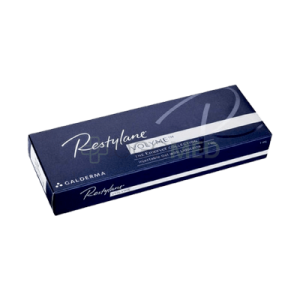
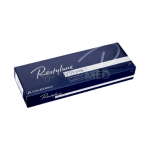 Restylane Volyme (Emervel Volume) 1ml1 × $129
-
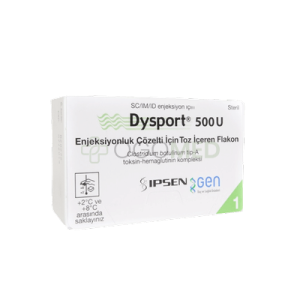
 Dysport 500u Non-English Packaging 1 Vial1 × $390
-
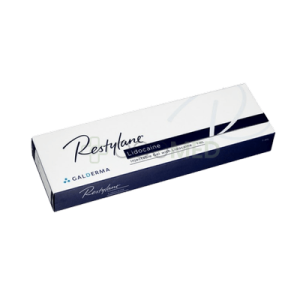
 Restylane Lyft (Perlane) Lidocaine 1ml1 × $164
-
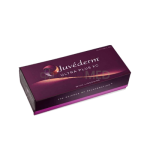 Juvederm Ultra Plus XC4 × $489
-
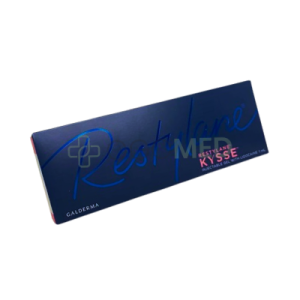
 Restylane Kysse Lidocaine 1ml1 × $189
-
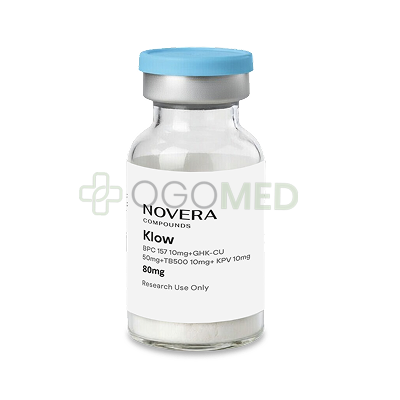
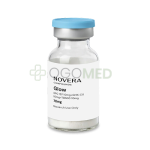 Novera Glow BPC 157 10mg+GHK-CU 50mg+TB500 10mg1 × $163
-
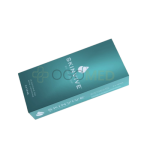 Juvederm Skinvive1 × $359
-
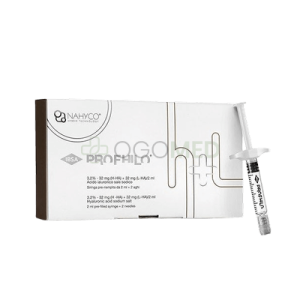
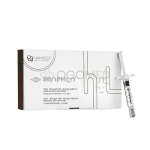 Profhilo H+L1 × $179
-
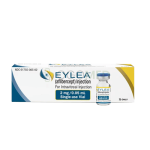 Eylea 40mg/1ml Non-English1 × $1,369
-
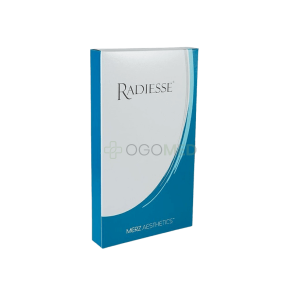
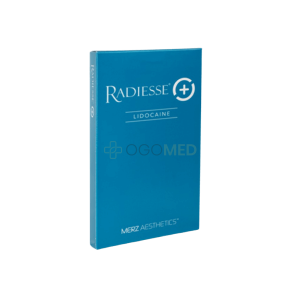
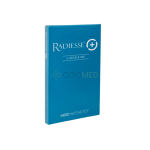 Radiesse 1.5ml With Lidocaine1 × $264




RESEARCH USE ONLY.
Designed for laboratory handling by qualified experts only.
Novera LL37
Coming Soon!
Specifications
| Category: | Peptides |
| Brand | Novera |
| Strength | 5mg |
| Form | Lyophilized powder |
| Purity (%) | ≥99 |
| CAS number | 597562-32-8 |
| Chemical Formula | C₂₀₅H₃₄₀N₆₀O₅₃ |
| Molecular weight | 4493 |
| Synonyms | Cathelicidin-LL37, Antimicrobial-peptide-LL37, Human-cathelicidin |
| Peptide sequence | Leu-Leu-Gly-Asp-Phe-Phe-Arg-Lys-Ser-Lys-Glu-Lys-Ile-Gly-Lys-Glu-Phe-Lys-Arg-Ile-Val-Gln-Arg-Ile-Lys-Asp-Phe-Leu-Arg-Asn-Leu-Val-Pro-Arg-Thr-Glu-Ser |
| Storage | Store at 2-8 °C. Protect from light and moisture |
| Shelf Life (lyophilized) | 12-24 months |
| Shelf Life (after reconstitution) | 24-72 hours |
Found a Better Price?
If you see the same product for less elsewhere, we'll gladly try to match it!
Learn more...
Learn more...
Estimated Delivery Time: 3-7 Days
Free Shipping Over: $750
LL-37 is a 37-residue cationic antimicrobial peptide derived from the C-terminal end of human cathelicidin precursor hCAP-18. Researchers use synthetic versions of this molecule to study bacterial membrane disruption, biofilm inhibition, innate immune signaling through receptors such as FPR2 and MrgX2, and epithelial wound repair in cell culture, animal, and ex vivo tissue models. The peptide ll 37 has become one of the most frequently cited antimicrobial peptides in host-defense literature, with published work spanning microbiology, immunology, oncology, and regenerative biology.
Novera LL37 is supplied for laboratory research only. It is not approved for human or animal consumption by the FDA or any other regulatory body, and the safety of self-administration is not established due to insufficient evidence. Researchers looking to buy ll-37 peptide for in vitro or preclinical work will find the relevant evidence, limitations, and ordering details on this page.
What Novera LL37 Is
LL-37 is the active fragment of the human cathelicidin precursor hCAP-18, encoded by the CAMP gene. Neutrophils and epithelial cells release it through proteolytic cleavage of the parent protein. The resulting molecule is linear, with no disulfide bonds, and carries a net charge of +6 at neutral pH. In membrane-mimetic environments, the peptide adopts an amphipathic alpha-helical conformation, presenting distinct hydrophobic and hydrophilic faces that allow it to interact with negatively charged phospholipid membranes on microbial surfaces and with lipopolysaccharide (LPS) or lipoteichoic acid (LTA) on gram-negative and gram-positive bacteria respectively.
Novera LL37 is synthesized to match the endogenous human sequence without non-natural amino acids, lipid conjugations, or backbone modifications. That design choice matters experimentally: readouts from assays using this peptide can be compared directly to the large body of published human cathelicidin literature. Some laboratories instead use truncated peptides such as KR-12 or GF-17, D-amino acid enantiomers, or scrambled-sequence controls. Those variants often show altered protease resistance or changed receptor-binding profiles, and findings generated with them cannot be assumed to replicate native LL-37 behavior without independent verification. Full-length LL-37 remains the standard when researchers need alignment with endogenous host-defense biology in their models.
Why Researchers Study LL37
The antimicrobial peptide ll 37 acts through at least two broad mechanisms: direct disruption of microbial membranes via pore formation and carpet-model interactions, and modulation of host innate immunity through cellular receptors including the GPCR FPR2 on neutrophils and monocytes, MrgX2 on mast cells, and transactivation of EGFR on epithelial cells. LL-37 binds to bacterial lipopolysaccharide, disrupting gram-negative bacteria, and enhances lysozyme action against gram-positive bacteria. It also interacts with scavenger receptors to activate immune pathways and can influence immune responses by recruiting immune cells to infection sites. Evidence for these activities comes predominantly from in vitro work and animal models; the subsections below cite specific studies, species, concentrations, and measured outcomes.
“Human LL-37 is a multifunctional antimicrobial peptide that promotes inflammation, angiogenesis, wound healing, and tumor metastasis.” Subramanian et al., 2011, Journal of Biological Chemistry.
Antimicrobial And Biofilm Models
LL-37 exhibits antibacterial activity against reference bacterial strains in vitro. Turner et al. (1998, Antimicrobial Agents and Chemotherapy) reported MICs below 10 micrograms per milliliter against Pseudomonas aeruginosa, Salmonella typhimurium, Escherichia coli, Listeria monocytogenes, Staphylococcus epidermidis, Staphylococcus aureus and vancomycin-resistant enterococci, and that activity was retained even in media containing 100 mM NaCl. Salt still matters for some organisms: methicillin-resistant S. aureus, Proteus mirabilis and Candida albicans were resistant to LL-37 at 100 mM NaCl but susceptible in low-salt media, so susceptibility assays should record the ionic conditions used.
Against clinical S. aureus strains in a 2013 in vitro study (Noore et al., Antimicrobial Agents and Chemotherapy), 250 nM LL-37 killed over 90% of extracellular bacteria, 500 nM achieved over 99% killing, and 3 micromolar concentrations produced complete eradication. Intracellular S. aureus harbored within osteoblasts required 100 micromolar LL-37 applied for two hours to achieve full clearance. These concentration differences illustrate the gap between free-solution activity and the challenge of reaching pathogens inside host cells.
Biofilm work adds another dimension. In 2008, Overhage et al. demonstrated in Infection and Immunity that 0.5 micrograms per milliliter of LL-37, far below the measured MIC of 64 micrograms per milliliter against P. aeruginosa PAO1, potently inhibited biofilm formation in vitro. The peptide also affected existing, pregrown biofilms, and microarray work traced the effect to decreased attachment of bacterial cells, stimulated twitching motility and downregulation of the Las and Rhl quorum-sensing systems.
“LL-37 potently inhibited the formation of bacterial biofilms in vitro. This occurred at the very low and physiologically meaningful concentration of 0.5 microg/ml.” Overhage et al., 2008, Infection and Immunity.
Serum blunts the peptide. Johansson et al. (1998, Journal of Biological Chemistry) found that in the presence of human serum both the antibacterial and the cytotoxic activities of LL-37 are inhibited, a consideration for anyone modelling local infection in tissue-like conditions.
Innate Immune Signaling And Inflammation
LL-37 engages multiple intracellular signaling pathways in immune cells. Subramanian et al. reported in 2011 (Journal of Biological Chemistry) that LL-37 activated MrgX2 on human mast cells, producing sustained calcium mobilization and substantial degranulation in the LAD2 line and in CD34+ cell-derived primary mast cells, while HMC-1 cells, which lack functional MrgX2, did not respond. shRNA knockdown of MrgX2 substantially reduced degranulation, and MrgX2-expressing lines responded to LL-37 with chemotaxis, degranulation and CCL4 production. These findings identify which receptor mediates specific mast-cell responses in vitro.
On macrophages, the peptide shows anti-inflammatory properties under certain conditions. Scott et al. (2002, Journal of Immunology) showed that LL-37 inhibits macrophage stimulation by bacterial components including LPS, lipoteichoic acid and noncapped lipoarabinomannan, and protects mice against lethal endotoxemia. Gene-expression profiling in the same paper found LL-37 directly upregulated 29 genes and downregulated 20, raising chemokine output in macrophages, mouse lung and whole human blood without stimulating TNF-alpha. The same molecule nevertheless drives an inflammatory response through a different mechanism in skin disease.
Lande et al. showed in a 2007 Nature study that LL-37 binds self nucleic acids, specifically extracellular self-DNA released from damaged cells, forming complexes delivered via clathrin mediated endocytosis to endosomal TLR9 in plasmacytoid dendritic cells. The result is potent interferon-alpha production through activation of interferon regulatory factors. LL-37/self-RNA complexes similarly trigger TLR7/8, inducing IL-6 and TNF in myeloid dendritic cells. This dual capacity, suppressing inflammatory pathways in macrophages while activating type I interferon through nucleic acid sensing, makes the compound a subject of intense study in autoimmune disease research, particularly in psoriasis and systemic lupus erythematosus.
“LL37 converts inert self-DNA into a potent trigger of interferon production.” Lande et al., 2007, Nature.
Tissue Repair And Epithelial Models
LL-37 plays a role in wound healing by promoting tissue regeneration and angiogenesis in preclinical models. Yin and Yu (2010, Investigative Ophthalmology and Visual Science) applied LL-37 to cultured human corneal epithelial cells and to organ-cultured porcine corneas under high glucose, a model for diabetic epithelial impairment. The peptide induced HB-EGF shedding and EGFR activation in a dose-dependent manner and activated PI3K and ERK1/2. It enhanced scratch-wound closure in cultured cells and partially rescued high-glucose-attenuated wound healing in an EGFR- and PI3K-dependent manner. The authors describe LL-37 as a tonic factor promoting EGFR signalling, not as a demonstrated treatment.
In human keratinocytes, Tokumaru et al. (2005, Journal of Immunology) found that 1 microgram per milliliter LL-37 produced maximal cell migration in Boyden chamber assays. Migration depended on EGFR transactivation and STAT3 phosphorylation (an activated kinase pathway), and inhibitors of either target abolished the response. LL-37 promotes endothelial cell proliferation during wound healing and enhances vascularization in skin tissue models. The compound may induce formation of tubule-like structures in endothelial cell assays, is involved in re-epithelialization during tissue repair, and reduces inflammatory responses in wound healing environments.
All of these data reflect in vitro or ex vivo organ culture results. No controlled human trials have tested LL-37 for wound healing activity in patients.
Autoimmunity And Inflammatory Disease Models
LL-37 is overexpressed in psoriatic lesional skin compared with nonlesional or healthy skin. Kahlenberg et al. (2013, Journal of Immunology) showed that neutrophil extracellular traps and LL-37 itself activate caspase-1 in human and murine macrophages, releasing active IL-1 beta and IL-18 through P2X7 receptor-mediated potassium efflux, and that this inflammasome activation is enhanced in macrophages from lupus patients. IL-18 in turn stimulates further NETosis, a feed-forward loop. The plasmacytoid dendritic cell and type I interferon arm of the same biology is the Lande et al. 2007 psoriasis finding described above. LL-37 modulates immune pathways in autoimmune diseases including psoriasis and lupus through these nucleic acid complexes. In systemic lupus erythematosus, cathelicidin promotes inflammation by the same pDC-IFN mechanism, and serum antibodies against LL-37 complexes have been detected in patient cohorts.
A complicating finding: vitamin D analogs used in psoriasis therapy increase LL-37 expression yet improve clinical outcomes. The paradox suggests that LL-37’s role in inflammatory bowel disease, rheumatoid arthritis, and skin inflammation cannot be reduced to a simple pro- or anti-inflammatory label. Context, including the presence of foreign nucleic acids or self nucleic acids, the specific cell surface scavenger receptors engaged, and whether the tissue environment contains damaged cells, determines the direction of the immune response.
Stem Cell And Cancer Biology Models
LL-37 has been studied for its potential use in regenerative medicine and longevity research. The mechanism appears to involve membrane interactions between the cationic peptide and lipid bilayers on stem cell surfaces, enabling binding of chemokine receptors to their ligands more efficiently.
In cancer cells, results are context-dependent: LL-37 is cytotoxic to some tumour lines in vitro while promoting proliferation in others, and Subramanian et al. (2011) list tumour metastasis alongside inflammation and angiogenesis among its documented activities. No single direction of effect can be assumed.
These findings remain exploratory. No established therapeutic indications exist, and the divergent effects on different cancer cell types underscore that LL-37 cannot be characterized as uniformly anti-tumor.
How LL37 Compares With Related Compounds
Researchers often need to choose between native LL-37, its analogs, and other immune modulating molecules such as human beta-defensins when designing experiments. The table below summarizes receptor targets, evidence maturity, and typical research uses to help laboratory buyers select the right compound for each project.
| Compound | Primary Target / Pathways | Evidence Level | Typical Research Use |
|---|---|---|---|
| Novera LL37 (full-length human cathelicidin fragment) | Microbial membranes, LPS/LTA binding, FPR2, MrgX2, EGFR transactivation, TLR7/8/9 via nucleic acid complexes | Extensive in vitro, animal, and ex vivo human tissue data | Antimicrobial susceptibility, biofilm models, innate immunity signaling, epithelial repair, autoimmunity mechanisms |
| D-enantiomer LL-37 analogs | Microbial membranes with increased protease resistance; altered host receptor binding | Predominantly in vitro and rodent studies | Biofilm disruption in protease-rich media, stability comparisons, membrane integrity assays |
| Human beta-defensins (e.g. hBD-2) | Microbial membranes, chemokine receptor signaling on immune cells | Broad in vitro and animal evidence, some correlative human data | Comparative innate immunity studies, receptor-activation assays, combination antimicrobial models |
Full-length LL-37 is the standard choice when an experiment must recapitulate human cathelicidin biology, including receptor interactions and nucleic acid complex formation seen in psoriasis or wound models. D-enantiomer analogs suit laboratories testing how proteolytic degradation affects antimicrobial peptides in serum-rich environments, since the D-form resists serum proteases but often loses host receptor engagement. Beta-defensins serve researchers studying chemokine receptor activation or designing combination antimicrobial panels. Findings from any analog or defensin do not substitute for data obtained with native LL-37.
What Research On LL37 Does Not Establish
LL-37 is not approved for human consumption by regulatory bodies like the FDA. Despite a large preclinical literature, no controlled human efficacy trial has confirmed a therapeutic indication for this molecule in any disease.
Claims circulating in non-scientific sources, such as systemic “immune boosting,” guaranteed wound repair, or treatment of gastrointestinal ulcers and conditions of the gastrointestinal tract, lack support from randomized clinical data. The in vitro research concentrations (typically low micromolar) and the exposure times used in cell culture do not translate to human dosing or safety. A peptide of this length faces pharmacokinetic challenges including rapid clearance and immunogenicity that remain largely unstudied in humans.
LL-37 carries cytotoxicity risks for normal eukaryotic cells at higher concentrations. Johansson et al. (1998, Journal of Biological Chemistry) measured a minimal inhibitory concentration of 5 micromolar against E. coli and cytotoxicity against several eukaryotic cell types at 13 to 25 micromolar, a narrow margin between antimicrobial activity and host-cell damage.
“The minimal inhibitory concentration of LL-37 against E. coli is 5 microM, and at 13-25 microM the peptide is cytotoxic against several eukaryotic cells.” Johansson et al., 1998, Journal of Biological Chemistry.
Some pathogens also adapt. Serial passage of a clinical USA300 MRSA strain in steadily increasing concentrations of LL-37 selected stable antimicrobial-peptide resistance, often with little or no fitness cost, in mutants that remained virulent in a mouse sepsis model and showed diminished susceptibility to clinically prescribed antibiotics as well as to human defence peptides (Kubicek-Sutherland et al., 2017, Journal of Antimicrobial Chemotherapy).
Long-term exposure effects in whole organisms, systemic pharmacokinetics, immunogenicity, and off-target actions in vivo are incompletely characterized. The dual nature of the compound cuts against any framing of LL-37 as purely defensive. It is overexpressed in psoriatic lesional skin, converts self-DNA into an interferon trigger (Lande et al., 2007, Nature), activates the NLRP3 inflammasome in lupus macrophages (Kahlenberg et al., 2013), is implicated in rosacea (Yamasaki et al., 2007, Nature Medicine) and is listed by its own receptor paper as promoting tumour metastasis, while in other systems it suppresses LPS-driven macrophage activation. Therapeutic predictions cannot be made from that mixture. No large randomized human trial and no regulatory approval anywhere in the world lists LL-37 as an active pharmaceutical ingredient for treatment.
Where to Buy Novera LL37
Novera LL37 is available for licensed professionals who need to buy ll-37 for laboratory research. LL-37 is supplied solely for controlled research environments. Researchers looking to ll 37 peptide buy online can order directly under the following terms:
-
Estimated delivery time 3 to 7 days.
-
Free shipping on orders over $750.
-
All US import fees and tariffs are covered by Ogomed, so the buyer pays nothing extra; customs checks under the new US import rules can add a little time to delivery.
-
Price match: if the same product is listed for less elsewhere, Ogomed will try to match it.
-
Support by phone +1-650-457-5621 and email, 10am to 6pm EST.
-
Sold to licensed professionals, for laboratory research use only.
Novera LL37 is supplied strictly for in vitro research and preclinical model work. It cannot be ordered for human use, clinical settings, or self-administration.
References
- Turner, J., Cho, Y., Dinh, N. N., Waring, A. J., Lehrer, R. I. (1998). Activities of LL-37, a cathelin-associated antimicrobial peptide of human neutrophils. Antimicrobial Agents and Chemotherapy, 42(9), 2206-2214. DOI: 10.1128/AAC.42.9.2206
- Overhage, J., Campisano, A., Bains, M., Torfs, E. C., Rehm, B. H., Hancock, R. E. (2008). Human host defense peptide LL-37 prevents bacterial biofilm formation. Infection and Immunity, 76(9), 4176-4182. DOI: 10.1128/IAI.00318-08
- Lande, R., Gregorio, J., Facchinetti, V., et al. (2007). Plasmacytoid dendritic cells sense self-DNA coupled with antimicrobial peptide. Nature, 449(7162), 564-569. DOI: 10.1038/nature06116
- Subramanian, H., Gupta, K., Guo, Q., Price, R., Ali, H. (2011). Mas-related gene X2 (MrgX2) is a novel G protein-coupled receptor for the antimicrobial peptide LL-37 in human mast cells. Journal of Biological Chemistry, 286(52), 44739-44749. DOI: 10.1074/jbc.M111.277152
- Yin, J., Yu, F. S. (2010). LL-37 via EGFR transactivation to promote high glucose-attenuated epithelial wound healing in organ-cultured corneas. Investigative Ophthalmology and Visual Science, 51(4), 1891-1897. DOI: 10.1167/iovs.09-3904
- Johansson, J., Gudmundsson, G. H., Rottenberg, M. E., Berndt, K. D., Agerberth, B. (1998). Conformation-dependent antibacterial activity of the naturally occurring human peptide LL-37. Journal of Biological Chemistry, 273(6), 3718-3724. DOI: 10.1074/jbc.273.6.3718
Frequently Asked Questions
What Is LL-37 Peptide In A Research Context?
LL-37 is the only human cathelicidin-derived host-defense peptide, a 37-amino-acid fragment of hCAP-18 studied for its antimicrobial, immunomodulatory, and wound-related properties in laboratory settings. The product on this page matches the endogenous human sequence and is sold as a research chemical, not a drug. LL-37 is used in studies on peptide and membrane interactions, innate immunity, and inflammatory pathways.
How Does LL-37 Work Mechanistically In Experiments?
The cationic peptide binds negatively charged microbial membranes, disrupts lipid bilayers through pore formation or carpet-model mechanisms, and compromises membrane integrity. On host cells, it engages receptors such as FPR2, MrgX2, and EGFR, triggering intracellular signaling pathways including PI3K/AKT, ERK1/2, and STAT3. Measured outputs in vitro research include changes in membrane permeability, cytokine release, calcium mobilization, and chemotaxis, all dependent on concentration and the model system used.
What Does The Current Evidence Actually Show About LL-37?
Published data demonstrate antimicrobial activity against gram-negative and gram-positive bacteria, biofilm-modulating effects at sub-MIC concentrations, and immunomodulatory actions including both suppression and activation of inflammatory response depending on context. Selected animal and ex vivo human tissue findings support mechanistic roles in epithelial repair and innate immunity. No large controlled human efficacy trials exist and no approved therapeutic indications have been established. The peptide appears in a growing number of autoimmune disease studies, but these remain preclinical.
How Does LL-37 Compare With A Related Host-Defense Peptide?
LL-37 and human beta-defensin-2 (hBD-2) are both antimicrobial peptides in human innate immunity, but they differ in structure, receptor usage, and typical experimental application. LL-37 is alpha-helical and signals through FPR2 and MrgX2; hBD-2 is a beta-sheet peptide that acts on chemokine receptors such as CCR6. Researchers select LL-37 when modeling human cathelicidin biology; defensins serve studies focused on alternative innate immune pathways.
What Research Models Commonly Use LL-37?
Common models include bacterial and fungal cultures for MIC and killing-curve assays, biofilm systems using organisms such as pseudomonas aeruginosa, cultured immune cells (macrophages, mast cells, dendritic cells), epithelial cell lines (keratinocytes, corneal epithelial cells), and rodent infection or wound models. Each model generates mechanistic data on membrane disruption, receptor signaling, or cell migration rather than treatment protocols for human subjects.
What Is Still Unknown About LL-37 In Science?
Long-term safety, optimal exposure ranges for whole organisms, and system-wide pharmacokinetics in humans remain uncharacterized. Context-dependent actions, including the observation that cathelicidin promotes inflammation through nucleic acid complexes yet suppresses cytokines in macrophages, mean the net effect in a living human immune system cannot currently be predicted. More work is needed on immunogenicity, off-target effects, and potential resistance development before any therapeutic conclusions can be drawn.
Is LL-37 Covered By Anti-Doping Rules?
LL-37 is not named anywhere on the 2026 WADA Prohibited List. Because it has no current approval as a human therapeutic it falls under S0, the catch-all class for non-approved substances, which is prohibited at all times; S0 names BPC-157 as an example but does not name LL-37. Novera LL37 is supplied strictly for laboratory research, not for human administration.
Where Can Laboratories Buy LL-37 Peptide Online?
Licensed professionals can buy ll-37 peptide directly from the store supplying Novera LL37 under the conditions listed above. Orders are accepted only for research use, not for clinical settings or self-use. Estimated delivery is 3 to 7 days, and support is available by phone or email from 10am to 6pm EST.
Specifications
| Category: | Peptides |
| Brand | Novera |
| Strength | 5mg |
| Form | Lyophilized powder |
| Purity (%) | ≥99 |
| CAS number | 597562-32-8 |
| Chemical Formula | C₂₀₅H₃₄₀N₆₀O₅₃ |
| Molecular weight | 4493 |
| Synonyms | Cathelicidin-LL37, Antimicrobial-peptide-LL37, Human-cathelicidin |
| Peptide sequence | Leu-Leu-Gly-Asp-Phe-Phe-Arg-Lys-Ser-Lys-Glu-Lys-Ile-Gly-Lys-Glu-Phe-Lys-Arg-Ile-Val-Gln-Arg-Ile-Lys-Asp-Phe-Leu-Arg-Asn-Leu-Val-Pro-Arg-Thr-Glu-Ser |
| Storage | Store at 2-8 °C. Protect from light and moisture |
| Shelf Life (lyophilized) | 12-24 months |
| Shelf Life (after reconstitution) | 24-72 hours |
Found a Better Price?
If you see the same product for less elsewhere, we'll gladly try to match it!
Learn more...
Learn more...
Estimated Delivery Time: 3-7 Days
Free Shipping Over: $750