
Content
Getting an IUD removed is a safe process that doesn’t take long and is typically non-problematic and fast. For most patients, it takes no more than 15 minutes, and the maximum inconvenience they experience is similar to regular period symptoms: cramping, slight bleeding, mild discomfort, etc. However, what if you notice blood clots? Is it a warning sign? Let’s take a closer look at the topic to answer this question once and for all.
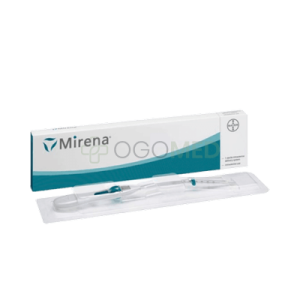
An intrauterine device (or an IUD) is a form of contraception, and it’s one of the most popular ones nowadays. It’s a small, T-shaped device that is inserted inside the uterus to prevent unwanted pregnancies. Most women prefer it because it is long-lasting, plus there are no worries with forgetting to renew it (as with pills, for example). There are two main types of IUDs: non-hormonal (also known as copper) and hormonal. The copper one can sometimes cause temporary cramping and heavy bleeding, but the cycle typically regulates within a few months after the insertion. Depending on the brand, a copper IUD may work for 5 to 10 years. As for the hormonal IUD, it typically makes periods lighter or makes them disappear altogether. The duration of this type is from 3 to 8 years. The best brand (such as Mirena USA) must be picked according to the patient’s needs, which is why a consultation with a medical professional is non-negotiable.
Typically, the decision to remove an intrauterine device is based on individual circumstances, and there are a few reasons patients typically schedule the procedure:
The removal process is a quick procedure that takes only a few minutes in the doctor’s office. This is what can be expected during the session:

The level of pain during an IUD removal is typically minimal. Most women say it’s similar to the routine pelvic exam, and some compare it to removing a tampon. The process is quick and patients may experience a brief discomfort, but it depends from person to person. In some cases, patients may experience severe pain that is similar to period cramps, and in this case, we recommend talking to a health provider.
Overall, passing large and small blood clots after IUD removal is not normal. This side effect must be reported to a healthcare provider, especially if a patient experiences heavy bleeding. Light spotting and bleeding are indeed common, but if there’s heavier bleeding or passage of clots, it may be a warning sign that something is wrong, so it’s better to contact a professional. Some of the common reasons include:
Most patients don’t notice any dramatic changes after they have their IUD removed. There may be some bleeding and spotting, maybe cramping that resembles typical period pain, and also some hormonal changes and menstrual cycle. Some specialists recommend taking painkillers on the first day after removal to minimize discomfort and ensure a satisfactory experience. Yes, we agree that the procedure may be unpleasant, but most women report that it’s not different from a regular check-up at your OBGYN. If you have any concerns, we recommend discussing them with a doctor so that all your concerns are addressed and the procedure is smooth and quick.
Now that you know how an IUD removal works, let’s address the signs that it may be time to contact a medical professional. First of all, if you experience heavy bleeding for more than a few days, you must inform a specialist. Also, if you notice a foul-smelling discharge, it may be a sign that you were hurt during the removal, so contact the doctor. Intense cramping is another indication that you may require medical attention. Even though the chances of it are low, it’s still better to be cautious and consult a specialist on time to catch any negative symptoms early.
The first period after an IUD removal may differ from a regular cycle for some women. The bleeding may be heavier or lighter, more painful, and the timing may vary as well. If you are accustomed to a regular menstrual cycle, the first periods after Mirena removal may be irregular, so be prepared for that. Most women can expect their periods to normalize after a few cycles. Still, it is essential to practice self-compassion, be gentle with yourself, and allow the body to adjust at its own comfortable pace.
The best thing about Mirena, and one of the reasons so many women choose it as their birth control product of choice, is that you can try getting pregnant right after an IUD removal. There’s no evidence that patients who use this type of birth control are at a higher risk of miscarriage compared to those who don’t use an IUD. Of course, some studies suggest that women who have used Mirena for a more extended period may take longer to get pregnant, but so far, there is not enough evidence to support this theory. On the contrary, 37% of females got pregnant within three months after the removal, and 73% within twelve months after an IUD removal. That’s why we can conclude that an IUD is a perfect product for planned parenthood because it helps prevent pregnancy when it’s needed and doesn’t cause any adverse effects, so patients can try for a baby right after getting off Mirena.
In most cases, it is possible to replace an old IUD with a new IUD during the same appointment. The procedure is typically quick, and most women don’t have complications afterward. There are a few reasons patients may consider an IUD replacement: change in needs (typically a hormonal IUD is replaced with non-hormonal, or vice versa), personal preference (a patient wants to try a new brand or a product with a different active ingredient), and expiration (according to the safety regulations, Mirena should be replaced every five years). This is the safest way to prevent unwanted pregnancies because the active component of the birth control doesn’t wear off out of the system, so it continues working efficiently. That is one of the main reasons women find this birth control option one of the most reliable ones that is currently available on the market.
Generally, blood clots are not a good sign, and a person should be cautious and monitor themselves to see how this symptom develops. Sometimes, it disappears within a day, which means everything is safe and there’s no reason to worry. However, if it lasts longer and patients experience heavy bleeding or notice big blood clots, it can mean that something is wrong. In this case, it is essential to visit a doctor’s office to determine the cause of these bleeds. Maybe a person was hurt during an IUD removal, or perhaps it’s a natural body reaction to the device being extracted. The primary objective is to identify the cause and ensure the person’s safety. If you are worried about the discomfort of the procedure itself, you may also want to explore how IUD insertion pain compares to childbirth for a better perspective.