
Content
When women talk about contraception, two subjects often spark the most emotion: intrauterine device insertion and childbirth. Both involve the uterus, the cervix, and an element of unpredictability around how much pain the patients will actually feel. For some, the idea of placing a tiny T shaped IUD feels more daunting than labor contractions, while others describe it as quick and manageable. The truth lies somewhere in between – and depends on each body, each provider, and each personal history.
Let’s take a close look at the IUD pain vs childbirth debate by breaking down the IUD insertion process, exploring why insertion pain varies so widely, comparing expected and real pain, and asking whether giving birth makes the procedure easier. Along the way, you will hear what women really say about their experiences and consider how much of the fear comes from facts – and how much from horrifying stories.
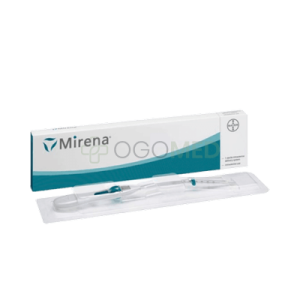
At its core, IUD insertion is a medical procedure designed to place a T shaped device directly inside the uterus. The provider uses a speculum to access the cervix, cleans the area, measures the depth of the uterus, and then slides the device into place. This is the actual insertion, the moment when some women feel sharp pain while others report only mild discomfort. The insertion procedure is relatively short, often lasting only a few minutes. Still, those minutes can feel long when your organism is reacting with intense cramps or when the cervix resists opening. Health organizations like the Centre for Disease Control describe the IUD insertion procedure as safe and routine, but they also acknowledge that the pain experienced ranges widely among patients. There are different types of devices: the copper IUD and various hormonal IUDs. Both are forms of intrauterine device, both highly effective at preventing pregnancy, but the structure of the device and the way the organism reacts can slightly influence how much discomfort arises. The IUD insertion process has been compared to menstrual cramps or period pain, but that analogy is imperfect. For some, the cramping is mild, for others, it borders on the most intense pain they have ever felt. In rare cases, women report extreme pain strong enough to cause fainting or nausea.

Why can two women go through the exact same IUD insertion and walk away with such different memories? The answer lies in the complexity of human organisms and minds. Pain is not only a physical sensation – it is influenced by context, past experiences, and emotions. Here are some of the key factors that shape actual pain experienced:
Because of these variables, the real pain of IUD insertion ranges from “like strong period pain” to “the worst pain of my life.” No two stories sound the same.
The gap between expected vs. real pain is one of the biggest frustrations around IUD insertion pain. Many patients are told that they will feel “a pinch” or “mild cramping.” Yet the insertion can involve sharper sensations, stronger cramps, and lingering discomfort that women were not prepared for. Accounts often fall into three categories:
These mixed IUD experiences fuel confusion. Some women enter the clinic bracing for trauma because of shocking stories, only to be relieved when it’s not so bad. Others are blindsided because they expected a quick pinch but instead encountered extreme pain. Interestingly, studies show that for the vast majority of women, the pain experienced does not last long. After the insertion, the discomfort usually fades within hours or days. Still, the memory of that brief but intense sensation shapes how women talk about the procedure, and why IUD insertion pain remains a hotly debated subject.
One common belief is that IUD insertion is easier for women who have already experienced childbirth. The logic makes sense: during vaginal delivery, the cervix stretches and opens fully, which could make later procedures less intense. On the other hand, a cesarean section involves giving birth without the dilating, so the effect might not be the same. Evidence from studies suggests that women who have delivered vaginally do, on average, report less pain during the procedure. The cervix open experience of vaginal delivery seems to lower the resistance during insertion. However, this is not a universal truth. Some mothers still describe the IUD insertion as sharp or overwhelming, while some child-free women breeze through it without much complaint Real stories reveal this nuance. A woman who endured a long childbirth might describe the insertion as tolerable because it pales in comparison to contractions. Another might say that even after labor, she felt more ache during the procedure than she expected. Conversely, a woman with no pregnancy history may find that her IUD inserted quickly, with only brief cramps. Ultimately, the idea that IUD insertion is automatically easier after childbirth is more myth than rule. Pain is individual, shaped by differences, provider technique, and expectations. What can be said with certainty is that a lot of women continue to choose this method because of its effectiveness, even if the journey to get there involves potential pain.
For many women, the fear of IUD insertion is linked less to the device itself and more to the memory of insertion pain. Fortunately, there are effective ways to prepare and manage the sensations. The IUD insertion operation is short, but having strategies in place can reduce discomfort and give patients more control. Practical pain management strategies to reduce anxiety include:
These tools don’t guarantee less pain for everyone, but they can make a real difference after inserting the IUD. What matters most is that patients feel informed and supported rather than left to endure silently.
Although the vast majority of women tolerate IUD insertion without major problems, a small number experience intense or even traumatic reactions. This doesn’t necessarily mean something went wrong, but it highlights the importance of listening to women when they say the procedure felt painful or overwhelming. Situations when the pain may be more concerning after the IUD include:
Some women even choose to have the IUD removed because the memory of pain is too strong, or because they continue to experience cramps and discomfort afterward. While this is relatively rare, it shows that pain management is not just about easing insertion pain in the moment – it’s about ensuring women don’t feel dismissed. In very rare cases, patients may also report neurological side effects of IUD, such as dizziness or fainting triggered by the insertion process.
Despite the fear and stories of painful procedures, women keep choosing IUD as a form of contraception. The intrauterine device has earned a reputation as one of the most effective ways to prevent pregnancy. For many, the short-lived pain is outweighed by years of freedom from daily pills or frequent appointments. Key reasons why women continue to choose IUD placement:
The fact that many women still prefer this method despite the potential for discomfort proves its value as a birth control method. Even after hearing about the pain, the benefits of device inserted securely in the uterus often outweigh the fear. After removal, fertility can return fast, and some women wonder can you get pregnant 1 week after iud removal, since the body resumes its natural cycle almost immediately.
The conversation around IUD insertion and childbirth is not about deciding which is “worse.” It’s about recognizing that pain is subjective, that you remember trauma, and that informed choice matters. While some women experience more ache during the procedure, others breeze through with minimal discomfort. Ultimately, the IUD insertion procedure is just a moment in time – a moment that can be managed with proper care, reduce pain strategies, and respect for each woman’s story. For those who value long-term, reliable birth control, the trade-off is often worth it. By listening to patients, acknowledging anxiety, and offering better options for comfort, providers can make the path to getting an IUD less daunting and more empowering.