
Content
The Botox lip flip has quickly become the secret weapon of those chasing a naturally fuller smile or looking to soften a gummy appearance without lip fillers. Just a few units, a few minutes – and voilà, a lifted upper lip. But as with any beauty trend or cosmetic procedure, what looks effortless online can sometimes lead to wrong results that are anything but picture-perfect.
Understanding what can make a lip flip procedure fail begins with recognizing how it works, what the risks are, and how patients can protect themselves through careful preparation and a personal consultation with a qualified provider.
The lip flip involves injecting Botox into the orbicularis oris muscle, the circular muscle surrounding the mouth. This weakens small muscle movements that cause the upper lip to curl inward, allowing it to gently roll out and appear fuller. Unlike lip filler injections, which add volume with substances such as hyaluronic acid, this cosmetic procedure doesn’t change the size of the lips: it only adjusts the way they rest.
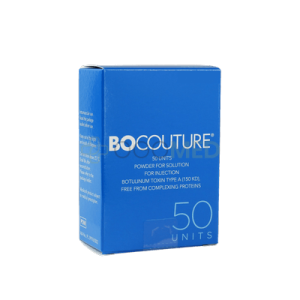
Typically, the lip flip treatment uses just a few units of Botox. Clinics that source their products carefully, often from verified Botox wholesale suppliers, can ensure both safety and consistent results.
The effects are typically visible within a few days and reach full strength in about two weeks. Because it’s a minimally invasive cosmetic procedure, it’s often performed in less than fifteen minutes and requires no downtime.
Some patients may experience swelling, bruising, or slight redness, but these symptoms are normal and wear off within days. Still, despite its simplicity, the Botox lip flip injection can go wrong for several reasons.
When things don’t go as planned, patients may encounter complications that affect appearance and function. Some common causes include:
Even though Botox treatment in skilled hands is quite safe, these errors can happen, producing what many refer to as an unsuccessful lip flip or even a botched lip flip.
After the lip flip procedure, most patients should notice subtle enhancement and a more balanced smile. But if something feels off, it’s important to identify potential issues early.
You may notice that your smile looks stiff or that pronouncing certain words becomes challenging. Some people experience difficulty speaking, especially when forming “p” or “b” sounds. This occurs when the orbicularis oris muscle has been over-relaxed.
These issues are what many online describe as a Botox lip flip gone wrong, where the results feel unnatural or interfere with speaking and smiling comfortably.
For most patients, these symptoms are temporary and fade within weeks. But in rare cases, they can signal deeper issues such as nerve damage or improper placement of the Botox injection.
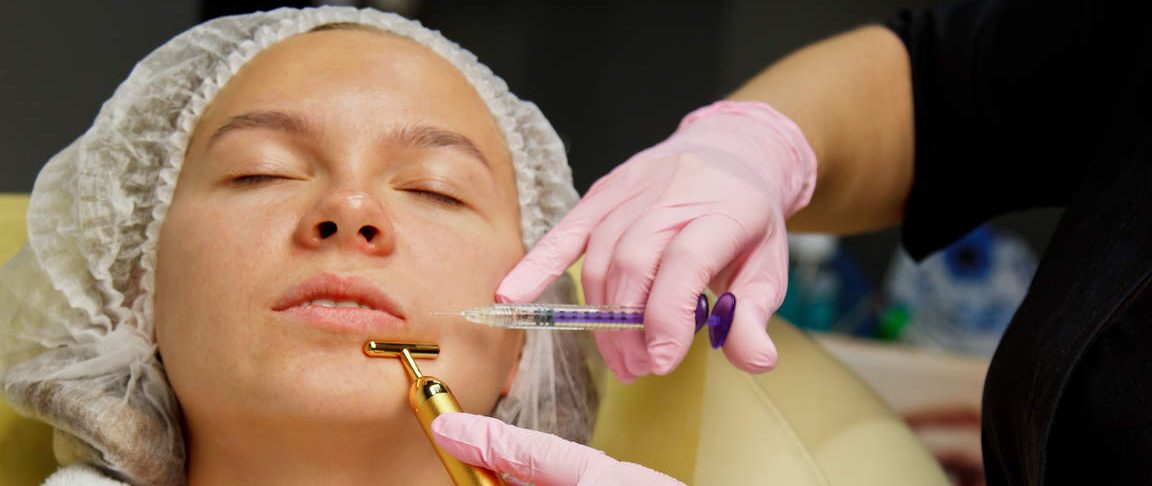
A story shared online about a week ago described one woman who underwent a Botox lip flip treatment hoping for full lips and a softer smile. Instead, she struggled with difficulty speaking and couldn’t drink through a straw. Her provider admitted that the injected Botox had spread farther than intended, relaxing her upper-mouth muscles too much.
She had to wait several weeks for the results to wear off, experiencing both frustration and embarrassment in the meantime. This case underscores the importance of choosing a qualified provider and understanding the limits of the upper lip flip treatment.
Immediately following the Botox lip flip, good care is crucial to minimize side effects and support proper healing.
Following these recommendations helps patients recover normally and lowers the risks of unwanted complications.
A bad lip flip can affect not only physical appearance but also confidence. The smile, a defining part of one’s identity, may look unnatural, uneven, or frozen. Some patients feel anxious about speaking in public or noticeable changes in their smile.
This can lead to frustration when eating or drink-related social activities are affected. However, it’s important to remember that most cases are temporary, and results will wear off gradually as the Botox wears off.
 Botulinum products
20 products available
Explore our Botulinum products collection and browse available products.
View category
Botulinum products
20 products available
Explore our Botulinum products collection and browse available products.
View category
It’s normal to see slight swelling or feel a bit of numbness after your Botox treatment. Small bruises and mild tenderness are also normal, especially near the injected points.
Generally, these symptoms subside within a few days. You can expect your smile to look more relaxed and balanced once the Botox settles. However, if you notice major asymmetry or ongoing issues like uneven results, always seek a follow-up with your injector.
While most effects are temporary, seek medical advice if you experience:
A skilled professional can assess whether additional treatment or corrective measures are needed. In some cases, they may suggest hyaluronic acid filler to create balance until the Botox wears off.
There are several potential solutions to reverse or improve unwanted outcomes:
Choosing the right injector is the single most effective way to avoid a botched lip flip. A qualified provider understands both anatomy and artistry. They know exactly how much to inject, where to place it, and how to prevent complications.
A thorough consultation should include a review of your medical history, discussion of goals, and realistic expectations. Expert practitioners can tell when a patient might be better suited for lip filler rather than a Botox lip flip, depending on their anatomy and desired results. Proper dosing and placement ensure your smile remains expressive, not frozen.
Sometimes, new patients panic after noticing subtle changes they weren’t expecting. It’s essential to understand that the Botox lip flip takes time to settle. Swelling, bruising, or tightness are temporary.
The best approach is to let it set a few days, avoid over-analyzing your smile, and allow your body to adjust. If your injector confirms that everything looks normal, you can trust that the results will soon balance out.
To reduce risks in future Botox lip flip sessions, follow these guidelines:
These proactive steps keep your upper lip flip results safe and natural-looking, preserving your smile without fear of complications.
The Botox lip flip can be a subtle, beautiful enhancement when done correctly. However, because it involves injecting Botox into delicate areas, mistakes can lead to discomfort, uneven results, or functional problems like difficulties with speaking.
If you ever suspect Botox lip flip gone wrong, consult your injector promptly. In most cases, normal function returns as the effects fade, restoring confidence in your smile. With patience, awareness, and a trusted provider, the Botox lip flip remains a safe and effective way to highlight your natural beauty and subtly correct a gummy smile.
The Botox lip flip generally lasts around two to three months. Since the treatment only relaxes specific muscle movements rather than adding volume, the effect wears off faster than fillers. Once the Botox begins to wear off, your smile and top lip will gradually return to their previous appearance.
Yes, mild bruising and slight swelling are perfectly natural reactions following a Botox lip flip. Some patients may also notice temporary numbness or tightness around the mouth. These symptoms usually wear off within a few days. Applying a cold compress and avoiding activities can help minimize discomfort and encourage faster healing.
No, using a straw immediately after treatment can increase the risk of spreading the injected Botox and lead to bad results. Soft eating and careful hydration without suction are recommended during the first day.
It is usually caused by too much Botox being placed into the orbicularis oris muscle. This can temporarily affect lip control and make it harder to pronounce certain words or maintain a natural smile. While this may feel uncomfortable, it’s not permanent. The issue resolves once the Botox begins to fade — usually within a few weeks.
Small irregularities are common and often improve as the product settles. However, if the smile remains distorted or one side appears droopy after two weeks, you might be dealing with a unsuccessful lip flip.
To avoid a botched lip flip, choose an experienced professional who understands lip anatomy and Botox placement. Verify credentials, ask about previous cases, and never rush through your consultation. Always discuss your expectations, mention any allergies or medications, and follow aftercare instructions. Avoid drinking alcohol or using a straw right after treatment, and steer clear of unlicensed services.