
Content
Botox is one of the most widely used injectable products in both medical and aesthetic practice. Whether employed to ease chronic migraines, treat muscle spasms, or smooth facial lines, it is a strongly recognized pharmaceutical product worldwide. But if you’re a healthcare provider in the United States, you’ve probably asked yourself: Why is Botox so expensive here? In fact, Botox in Europe typically costs healthcare professionals around $300 per 100-unit vial, while U.S. practitioners often pay close to $500 for the exact same product. The discrepancy isn’t due to quality, regulations, or demand – but rather, one dominant factor: market control. In this article, we will explore why Botox is cheaper in Europe than in the U.S., how global providers are navigating this gap, and how U.S. professionals can save their money without compromising quality or legality.
To get a clearer picture of how Botox pricing varies internationally, we spoke with medical professionals across Europe and North America. What they shared confirms a widespread pricing gap that many in the U.S. market find both frustrating and unsustainable. In the United Kingdom, Dr. Sam W., an aesthetic professional in London, says he has been paying about £270 per vial of Botox for years:
“At the current exchange rate, that’s roughly $360. It’s been stable at that price for some time.”
Dr. Gisem K., a dermatologist based in Istanbul, reports paying around 9000 Turkish Lira, which comes out to approximately $225:
“It’s considered affordable here, even for small clinics,” she explains. “The U.S. pricing really surprises us.”
In Poland, Dr. Damian K., a cosmetologist, pays around 1200 Polish zloty, or about $325 for a 100-unit vial:
“It’s the standard price from most local distributors,” he says. “We don’t experience the same inflation you see in the U.S.”
Even in France, where brand-name pharmaceuticals can be expensive, Dr. Amandine B., an aesthetic nurse in Lyon, confirms that Botox prices stay under €290, or roughly $335. Contrast that with the experience of Dr. Rachel S., a board-certified plastic surgeon practicing in California:
“We’re paying anywhere from $490 to $520 per vial. And that’s with volume-based loyalty discounts from major U.S. distributors. Without those, it can be even higher.”
This nearly $200 difference per vial adds up fast, especially for practitioners who administer Botox daily.
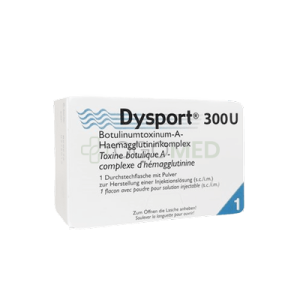
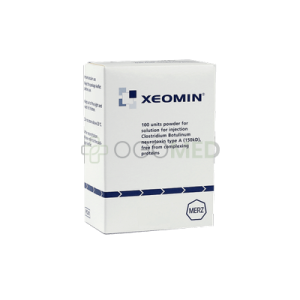
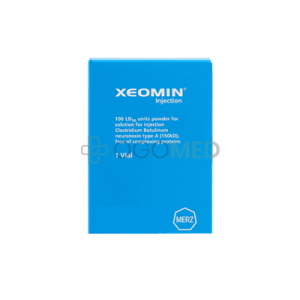
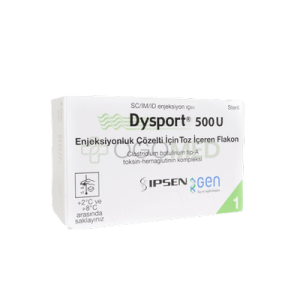
The simple answer to the question “Is Botox cheaper in Europe than in the U.S.?” is: “Yes, absolutely.” And the reasons for this have little to do with differences in manufacturing or regulation. The fundamental cause of the price gap lies in the structure of the market. In the United States, Botox is sold almost exclusively under the control of AbbVie, a pharmaceutical powerhouse that acquired the brand as part of its multibillion purchase of Allergan. With Botox deeply entrenched in the U.S. aesthetic and therapeutic landscape, AbbVie has a near-total monopoly on the product’s distribution and pricing. While other botulinum toxins like Xeomin, Jeuveau, and Dysport exist in the U.S. market, they haven’t disrupted Botox’s dominance. This strong brand loyalty, coupled with limited FDA-approved alternatives, means AbbVie faces little meaningful competition in the U.S. In Europe, the scenario is very different. Dr. Sam W. in the United Kingdom explains:
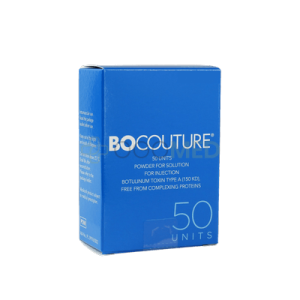
“We have multiple brands competing for market share. Aside from Botox, there’s Bocouture, Azzalure, and others. So even if Botox tried to increase their prices, clinics would simply switch. Competition keeps them honest.”
In markets like Turkey, Poland, and France, national healthcare systems and pricing negotiations often play a role in keeping pharmaceutical prices grounded. But even in the private sector, providers enjoy the benefits of a competitive landscape. In contrast, U.S. providers are effectively at the mercy of one company, one distributor, and one price structure.
AbbVie’s dominant position allows the company to set Botox prices with limited resistance. That’s because most American providers:
The end result? Consistently high prices with little room for negotiation.
“It feels like price gouging, but it’s all legal,” says Dr. Rachel S. “They’re not doing anything wrong per se. It’s just that we don’t have better alternatives.”
Some American providers have begun looking north for solutions. Thanks to more flexible pharmaceutical regulations and access to European-priced Botox, Canada has become a popular source for medical professionals seeking affordable options. Canadian suppliers can often offer authentic, original Botox for significantly less than U.S. distributors – typically around $360 per vial. One such supplier is OGOMED, a reputable Canadian-based online store that offers competitive pricing and ships directly to licensed U.S. healthcare providers. Because Botox being offered in Canada is the same as that sold in the U.S. (namely, manufactured under the same quality standards), many providers see this as a logical, ethical, and safe option.
Importing pharmaceuticals for personal or in-office use is not illegal under U.S. law, provided that:
Dr. Damian K. from Poland reinforces this point:
“There’s no difference in the efficacy or safety of Botox across borders. It’s the same drug, just priced more sensibly in countries with real competition.”
And Dr. Gisem K. adds:
“So many of my colleagues who moved to the U.S. are now reaching out to find ways to source more affordably. It’s about running a sustainable, ethical practice.”
Unless regulatory changes enable more botulinum toxin competitors to enter the U.S. market, or unless providers begin pushing back against AbbVie’s pricing power, there’s little reason to expect Botox prices in the U.S. to drop any time soon. That said, the growing awareness of global pricing differences is already starting to shift provider behavior. Many are exploring alternative sourcing through international vendors, including Canada-based options, to reduce overhead while still delivering safe, high-quality care. As more healthcare professionals become aware of pricing disparities and sourcing options, pressure may build for more transparency and competitive pricing domestically.
Botox’s high price tag in the U.S. isn’t a mystery – it’s the predictable result of a monopoly-driven system that lacks competition and transparency. Meanwhile, providers in Europe enjoy access to the same product at significantly lower costs, thanks to a more competitive marketplace. If you’re a healthcare provider in the U.S., the good news is: you do have options. By sourcing through trusted Canadian suppliers like OGOMED, you can access authentic Botox for around $360 per vial and have it delivered safely and reliably to your clinic. In the end, better knowledge leads to better business decisions… And, ultimately, better care for your patients.