
Content
Yes, you can get Botox in your neck, but only one neck concern is an FDA-approved use: moderate to severe vertical platysma bands, the cords that run from the jaw down the neck. Botox for neck bands was added to the Botox Cosmetic label in October 2024. Horizontal neck lines (“necklace lines” or “tech neck”), loose skin and a “turkey neck” are not approved indications, so any neck Botox aimed at them is off-label.
That distinction matters because most people searching for neck Botox actually want a neck lift. Botox relaxes muscle; it does not tighten or remove skin. When the visible problem is an overactive platysma muscle pulling the jawline down and creating bands, neck Botox can help. When the problem is lax skin, fat or bone structure, it usually cannot.
This guide explains what neck Botox treats, the dose on the FDA label, the Nefertiti lift technique, how long results last, neck-specific side effects such as difficulty swallowing, and who should not be treated. It is written for licensed practitioners and for patients preparing for a consultation.

Botox Cosmetic (onabotulinumtoxinA) is approved in adults for the temporary improvement in the appearance of four areas: glabellar lines, lateral canthal lines (crow’s feet), forehead lines and, since October 2024, “moderate to severe platysma bands associated with platysma muscle activity.” That wording comes directly from the FDA-approved Botox Cosmetic Prescribing Information, revised 10/2024.
“A nonsurgical, injectable option to temporarily improve the look of vertical bands connecting the jaw and neck.”
Darin J. Messina, Ph.D., Allergan Aesthetics, AbbVie announcement
In the same release, Allergan Aesthetics described Botox Cosmetic as the first product of its kind to go beyond the face. Everything else people ask about under “botox for neck” falls outside the label:
Off-label use is legal and common in aesthetic practice, but it shifts the burden of evidence and informed consent to the injector. Patients should be told plainly which part of their treatment is on-label and which is not.
The neck ages in layers, and each layer responds differently to a neuromodulator. The platysma is a thin sheet of muscle that runs from the lower face over the jawline and down the front of the neck. When it contracts hard, it forms vertical bands and pulls the jawline downward. Botox weakens that contraction. It has no direct effect on skin elasticity, fat under the chin or the shape of the jaw.
| Neck concern | Main cause | Can Botox help? | FDA status | Common alternatives |
|---|---|---|---|---|
| Vertical platysma bands | Overactive platysma muscle | Yes, when bands are visible on contraction | Approved (Botox Cosmetic, Oct 2024) | Surgical platysmaplasty for severe cases |
| Blurred jawline from platysma pull | Downward pull of upper platysma | Partly; jawline points are part of the labeled pattern | Part of approved platysma pattern | Jawline filler, threads |
| Horizontal “necklace” lines, tech neck | Skin folding, volume and collagen loss | Limited; small superficial doses are sometimes used | Off-label | Hyaluronic acid fillers, skin boosters, microneedling |
| Loose or crepey skin, “turkey neck” | Loss of skin elasticity, often with excess skin | No meaningful tightening | Off-label | Energy-based devices, neck lift surgery |
| Submental fullness (double chin) | Fat, sometimes genetics or bone structure | No | Not applicable | Deoxycholic acid injections, liposuction |
A simple test helps: ask the patient to grimace or say “eee” forcefully. If distinct cords pop up from the jaw to the collarbone, the platysma is part of the problem and neck Botox is a reasonable conversation. If the neck looks loose at rest and nothing changes much on contraction, the issue is skin and Botox alone will disappoint.
The original version of this article described “skin tightening” with a Botox neck lift. That is not how the drug works, and patients with real sagging are better served by being told so at the first visit.
 Botulinum products
20 products available
Explore our Botulinum products collection and browse available products.
View category
The Botox Cosmetic label sets out a fixed injection pattern for platysma bands, built from two parts on each side of the neck:
Depending on severity, the total dose is 26 Units (one band per side), 31 Units (one band on one side, two on the other) or 36 Units (two bands per side), spread over 18, 23 or 28 sites. Bands are identified while the patient contracts the platysma, and the label tells injectors to gently pinch each band to isolate the muscle.
“Do not inject into structures deep to the platysma muscle, particularly in the anterior region of the neck.”
FDA, Botox Cosmetic Prescribing Information
The label also asks for all injections to be at least 1 cm below the lower mandibular border, superficial and intramuscular, with the needle perpendicular to the skin. This is the main safety logic of neck Botox: the swallowing muscles and larynx lie deeper in the front of the neck, and toxin that reaches them causes the complications patients fear most.
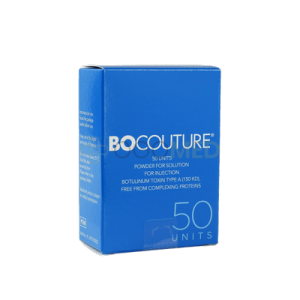
Two points matter for procurement. First, Botox Cosmetic comes as 50 Unit or 100 Unit single-dose vials, so a single neck session at 26 to 36 Units fits within one 50 Unit vial. Second, the label states that Botox units cannot be compared to or converted into units of any other botulinum toxin product. Practices that order Botox alongside other botulinum toxin products such as Dysport or Xeomin should not transfer the 26/31/36 Unit scheme to another brand.
The “Nefertiti lift” is the name used for injecting botulinum toxin along the lower border of the jaw and into the platysma bands to sharpen the jawline and soften neck cords. The labeled platysma pattern is close to this idea, since it combines a jawline row with band injections, but the Nefertiti lift as practiced varies between injectors and often uses doses outside the label.
The best-known clinical evaluation is a 30-patient study by Jabbour and colleagues, published in Plastic and Reconstructive Surgery in 2017. Patients received a mean of 124.9 Units of abobotulinumtoxinA (Dysport units, which are not equivalent to Botox units). Platysma bands improved significantly at rest and on contraction. Jowls, marionette lines and neck volume showed only a trend toward improvement that did not reach statistical significance, although 96.6% of patients reported being satisfied.
“It is particularly helpful in younger patients with platysma muscle hyperactivity and retained skin elasticity.”
Jabbour et al., Plastic and Reconstructive Surgery (PubMed)
In practice, the Nefertiti lift is a jawline and band refinement, not a lift of sagging tissue. Patients with heavy jowls or significant skin excess usually need other approaches.
In the two pivotal trials behind the approval (Studies M21-309 and M21-310), 408 adults received Botox Cosmetic and 426 received placebo. The primary endpoint was strict: a rating of Minimal or Mild bands plus at least a 2-grade improvement, judged by both the investigator and the patient at Day 14. According to the FDA label, 32% and 31% of treated subjects met it, compared with 2% and 0% on placebo. When only the investigator’s rating was used, 45% and 42% responded.
One of these trials, published in the Journal of the American Academy of Dermatology (Fabi et al., 2025), followed patients for 120 days. A companion trial in Aesthetic Surgery Journal reported that responder rates stayed higher than placebo through Day 120, gradually declining over time.
What this means for patients:
Older claims that neck Botox lasts “up to a year” are not supported by the trial data. For a broader look at duration across areas, see how long Botox lasts.
In the platysma trials, the label states that the safety profile was consistent with the known profile of Botox Cosmetic for other indications. In the Fabi trial, adverse event rates were similar to placebo and no events of dysphagia or muscular weakness were reported. In the longer open-label study, 4 participants reported 6 adverse events of special interest, including dysphagia (4 events) and facial paresis (2 events), all mild, with no evidence of distant spread of toxin.
Even so, the neck carries risks that the forehead does not. The boxed warning on every Botox label covers distant spread of toxin effect, and it states that swallowing and breathing difficulties can be life threatening, with deaths reported. The label notes the risk is probably greatest in children treated for spasticity, but symptoms can also occur in adults. Neck-relevant effects to discuss and monitor include:
Patients should seek urgent care for any trouble swallowing, speaking or breathing after treatment. The previous version of this article listed nausea and flu-like symptoms as typical after neck Botox; flu syndrome is reported in the medical label for cervical dystonia at much higher doses, not as a typical reaction to the cosmetic platysma dose. Aftercare advice such as avoiding heavy exercise for the rest of the day is common clinic practice; for the evidence on staying upright, see lying down after Botox.
The Botox Cosmetic label lists two contraindications: known hypersensitivity to any botulinum toxin preparation or the formulation, and infection at the proposed injection site. Beyond that, extra caution or a different treatment is warranted for:
Because Botox addresses only the muscle layer, most neck rejuvenation plans combine it with treatments for skin and volume. Common pairings include:
Sequencing and spacing between treatments should follow each product’s instructions and the injector’s judgment. Neck Botox works as one part of the plan, typically for the band and jawline component.
Botox for the neck makes sense for a specific patient: visible vertical bands on contraction, a jawline that softens when the platysma pulls, and reasonably good skin quality. For that patient, it is now an FDA-approved, standardized treatment of 26 to 36 Units with results that last about three to four months. For horizontal lines, crepey skin or a sagging “turkey neck,” Botox is off-label and usually the wrong primary tool.
For practitioners, the label provides a clear dose, injection map and depth limit, which makes neck treatment more predictable than it was before 2024. For patients, the most useful step is an honest assessment of which neck layer is aging, so that expectations match what a neuromodulator can deliver.
Last updated: November 2026.
Yes. Since October 2024, Botox Cosmetic has been FDA approved for moderate to severe vertical platysma bands in adults, using 26, 31 or 36 Units injected superficially along the jawline and the bands. Other neck uses, such as horizontal lines or loose skin, are off-label. Treatment should be done by a licensed injector who checks swallowing, neuromuscular conditions and skin quality first.
Not in a meaningful way. Botox relaxes the platysma muscle, so it can soften vertical bands and slightly sharpen the jawline, but it does not tighten skin, remove excess skin or reduce fat. Sagging and turkey neck are off-label uses for Botox. Energy-based devices or a surgical neck lift are the usual options when laxity is the main problem.
At the labeled platysma dose, trials found a safety profile similar to other Botox Cosmetic uses, and mild dysphagia was uncommon. The neck still carries specific risks: difficulty swallowing, voice change and neck weakness if toxin reaches deeper muscles. The label tells injectors not to inject deep to the platysma, especially in the front of the neck. Seek urgent care for swallowing or breathing trouble.
Only partly, and it is off-label. Horizontal necklace lines and tech neck creases come mostly from skin folding and collagen loss, not a single overactive muscle, so Botox has limited effect on them. Some injectors use very small superficial doses, but hyaluronic acid fillers, skin boosters and resurfacing treatments are more often used for these lines.
Usually about three to four months. In the pivotal platysma band trials, results were measured at Day 14 and responder rates stayed above placebo through Day 120 while gradually declining. In a repeat-treatment study, patients were re-treated no more often than every 3 months, and response held up across up to four sessions.
Therapeutic Botox is FDA approved for cervical dystonia in adults, to reduce abnormal head position and neck pain caused by that condition. Ordinary chronic neck pain, a stiff neck or neck and shoulder tension without dystonia is not a labeled indication. These medical uses involve different doses and muscles from cosmetic neck Botox and need assessment by a neurologist or pain specialist.