
Content
Botox has become one of the most discussed beauty trends in modern times. From Hollywood celebrities to everyday professionals, millions of people are choosing this cosmetic product each year. But what percentage of women get Botox in USA, and why has this injectable become such a huge part of the Botox market?
According to the American Society of Plastic Surgeons, Botox remains the number one minimally invasive cosmetic procedure in the United States. The latest Botox statistics reveal that more than 9 million Botox procedures were carried out globally in 2022 alone, and the numbers keep growing. Let’s uncover the real data, explore age groups, motivations, and the potential benefits and adverse effects that come with the procedure.
To understand the scale, we need to look at Botox usage statistics. Botox, which is derived from botulinum toxin, was initially introduced as a medical solution, but over the years it has become a staple in cosmetic procedures.
The Society of Plastic Surgeons and the American Society of Plastic emphasize that Botox is not just about beauty, it has both cosmetic and therapeutic roles. When we ask how many women choose injectables, the statistics are surprising – women dominate the field, while male patients account for only about 6-10% of total cases.
This question often comes up, because many believe Botox is primarily for older individuals. Data from the society of plastic surgeons paints a more detailed picture:
This breakdown shows the rising trend: not only are older women participating, but younger women are also a rapidly expanding demographic. For Gen Z, Botox is no longer taboo – it is seen as a prprecautionary eventative measure against future signs of aging.
So why is getting Botox such a phenomenon? The reasons are varied and often deeply personal. Women turn to Botox treatment for:
According to clinical and aesthetic dermatology research, Botox works by relaxing facial muscles, preventing them from contracting strongly and creating new creases. This ability to temporarily freeze muscle activity is what makes botulinum toxin injections so effective. Many cosmetic surgeons and medical professionals also highlight that Botox is relatively safe compared to other treatments. However, they caution that possible risks exist if performed by inexperienced injectors.
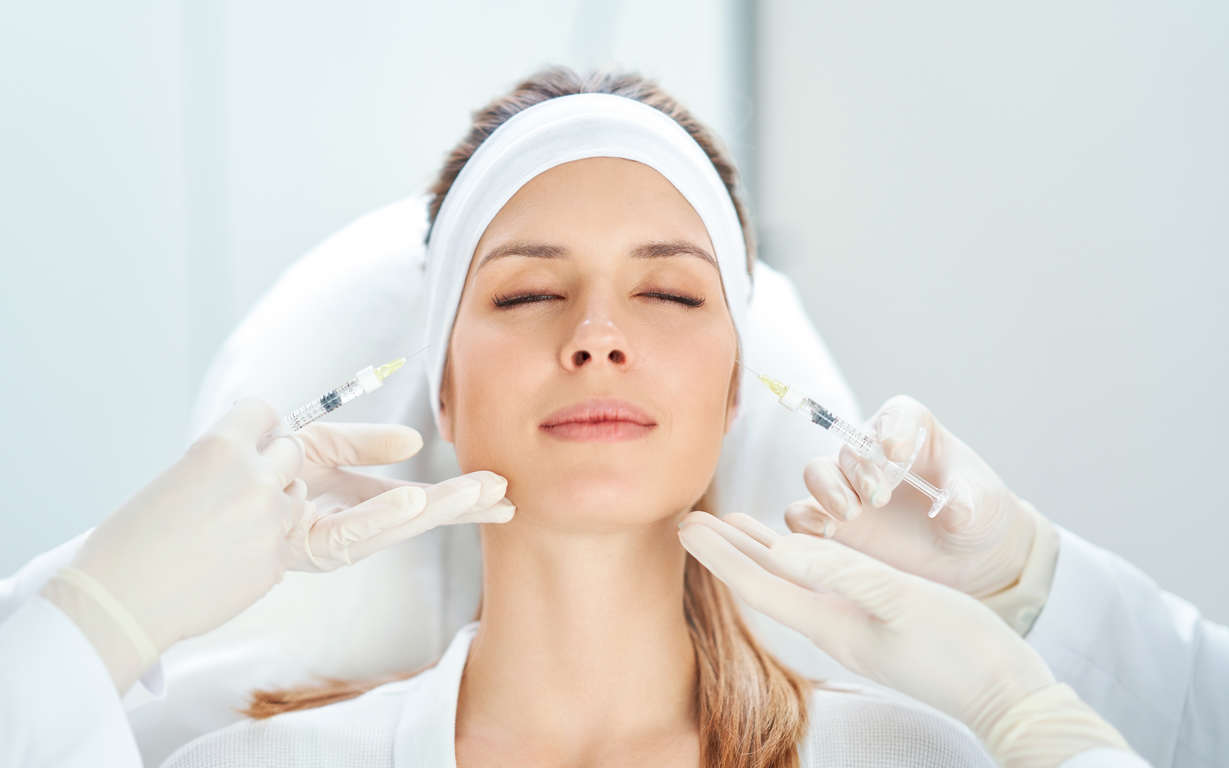
Different generations use Botox for different reasons. Botox usage statistics from 2023 reveal clear patterns:
The American Society of Plastic and Society of Plastic Surgeons both confirm that the number of younger women seeking Botox is climbing steadily. Botox today is viewed less as a luxury and more as a routine aesthetic treatment – much like a haircut or a skincare session.
It’s important to distinguish between medical Botox and cosmetic use. While most people associate Botox injections with aesthetic treatments, there are many therapeutic applications as well.
The American Society of Plastic highlights that reconstructive surgery doctors and facial plastic experts often integrate Botox into broader treatment plans. In fact, most doctors agree that whether for beauty or health, botulinum toxin remains one of the most versatile aesthetic treatments available.
 Botulinum products
20 products available
Explore our Botulinum products collection and browse available products.
View category
Botulinum products
20 products available
Explore our Botulinum products collection and browse available products.
View category
The cost of Botox is another factor contributing to Botox’s popularity. On average, Botox patients in the United States pay approximately $500 per session. Because the results typically last 3-4 months, many patients undergo repeat Botox procedures several times a year. According to Westlake Dermatology, one of the leading clinics in cosmetic dermatology, people spent billions of dollars on Botox and other non surgical cosmetic procedures in 2022 alone. This financial scale proves just how mainstream getting Botox has become.
While Botox is often praised for being a quick and safe option, patients must understand that any treatment involving injections comes with some level of risk. The good news is that serious complications are rare when the procedure is performed by a licensed medical professional, but being aware of possible issues is important for informed decision-making. Mild and temporary side effects include:
Since Botox works by using purified botulinum toxin to temporarily block nerve signals to the muscles, misplaced Botox injections may cause unintended relaxation in areas that weren’t meant to be treated. That’s why the society of plastic surgeons and the American Society of Plastic strongly recommend choosing only certified plastic surgeons or dermatologists for any Botox procedures. Cutting costs by going to unqualified injectors increases the chances of complications.
When people consider rejuvenating treatment, Botox is rarely the only option. The world of aesthetic treatments has expanded, with dermal fillers, hyaluronic acid injectables, and even minimally invasive surgery alternatives being offered by clinics worldwide. But how does Botox compare?
According to the statistics, Botox still dominates the market, being used in millions more cases than fillers. However, fillers are gaining traction as complementary cosmetic procedures, and patients are often advised to combine them rather than choose one over the other.
The future of Botox looks brighter than ever. Data from the American Society of Plastic and society of plastic surgeons shows a developing trend in demand across all age ranges. In 2023 alone, there were more than 9.5 million botulinum toxin-based procedures in the United States, solidifying its role as the leading non-invasive option.
The introduction of lighter doses appeals to younger women who don’t want a frozen look but simply a refreshed face. This reflects a cultural shift where Botox’s popularity is less about vanity and more about subtle maintenance of a youthful appearance.
In 2025, Botox is part of mainstream culture. For many, it’s no longer a luxury but a regular step in personal care, just like going to the gym or visiting a hair salon. Clinics such as Westlake Dermatology highlight that people spent billions of dollars last year alone on Botox and other cosmetic procedures, proving that getting Botox is now woven into daily life for millions of women. What makes Botox stand out compared to other cosmetic product options?
For most Botox patients, the appeal lies not just in looking younger but in maintaining control over their aging process. With mature skin being a universal concern, Botox provides reassurance and visible results.
While its cosmetic value is well known, Botox also plays a crucial role in medical settings. Medical Botox is FDA-approved for several conditions, reminding us that botulinum toxin is not just about beauty but health as well. Medical applications include:
This dual use reinforces why the American Society of Plastic and society of plastic surgeons emphasize Botox as more than just a wrinkle solution. It is a powerful medical tool with wide-ranging applications in aesthetic and clinical dermatology.
So, how many people actually get tox each year? Let’s summarize the numbers from the Botox statistics:
These Botox usage statistics show that women are leading the way in the Botox revolution, but demand is diversifying across ages and even genders.
Botox has transformed from a niche cosmetic procedure into one of the most common aesthetic treatments in the world. Whether it’s younger patients seeking precautionary measures, professionals aiming to reduce visible wrinkles, or older patients addressing deep creases, the demand for Botox injections continues to grow. Backed by data from the American Society of Plastic and the society of plastic surgeons, it’s clear that Botox is no passing trend – it’s a permanent part of how society approaches beauty and aging. At the same time, patients must remember that Botox is a medical treatment, not just a beauty trick. Choosing experienced plastic surgeons or a certified medical professional ensures both safety and effectiveness. With billions spent each year, the influence of Botox on the market, culture, and individual confidence is undeniable. Looking ahead, its role in both cosmetic and therapeutic medicine will only expand, shaping the way future generations view aging and personal care.