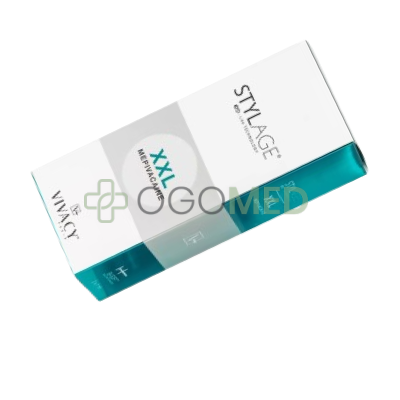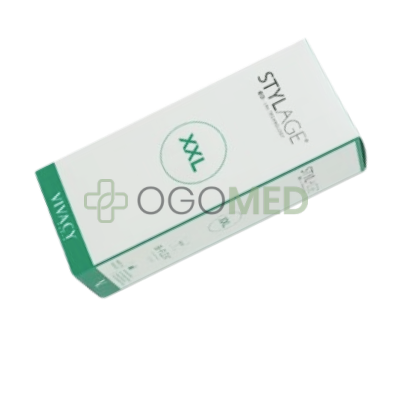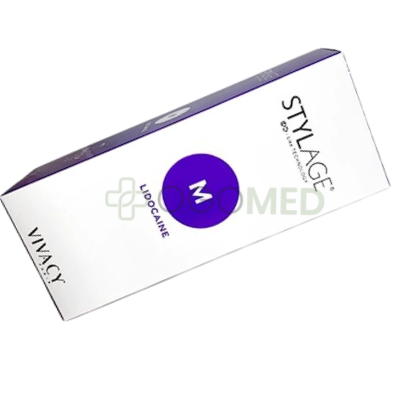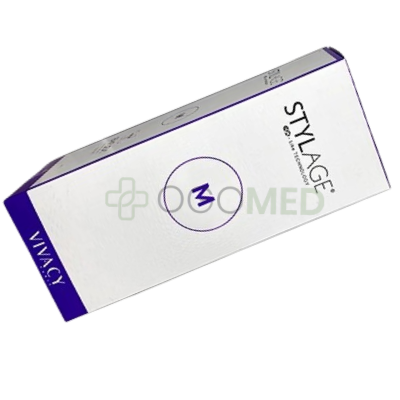





-
 Botox 100u Non-English Packaging 1 Vial2 × $389
 -
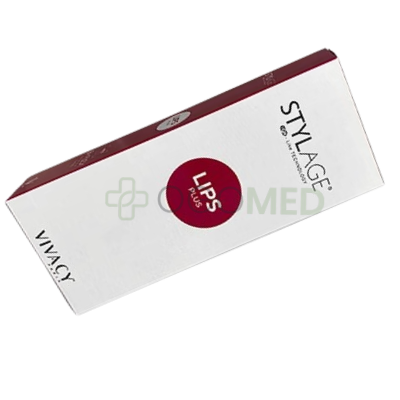
 Stylage Lips Plus Bi-Soft with Lidocaine1 × $139
 -
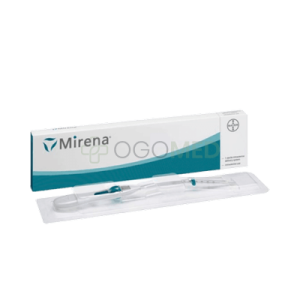
 Mirena 52mg 1 Iud1 × $360
 -
 Orthovisc1 × $52
 -
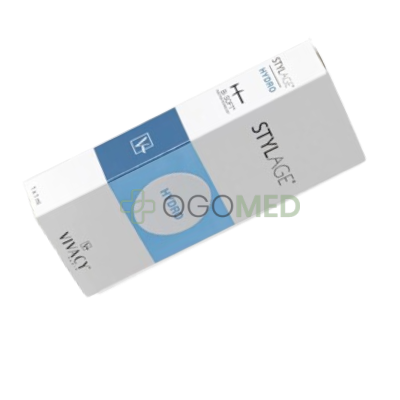
 Stylage Hydro Bi-Soft 1ml1 × $69
 -
 Radiesse 1.5ml With Lidocaine1 × $264
 -
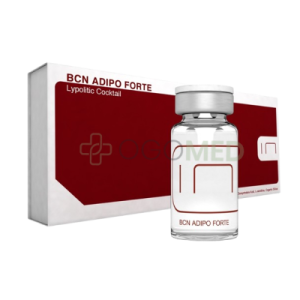
 BCN ADIPO FORTE1 × $49
 -
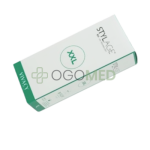 Stylage XXL Bi-Flex1 × $229
 -
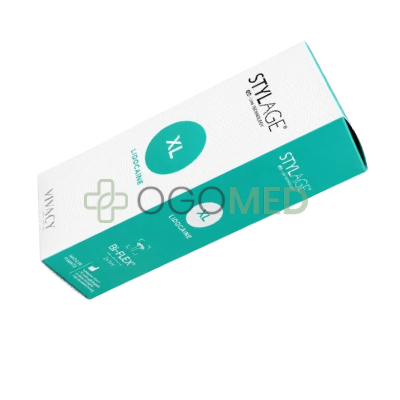
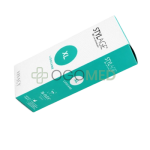 Stylage XL Bi-Flex with Lidocaine1 × $239
 -
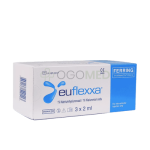 Euflexxa 2ml1 × $209


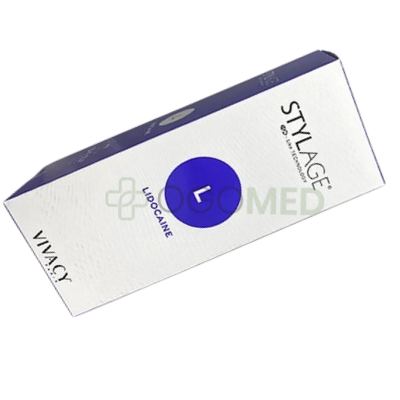
Stylage L Bi-Soft with Lidocaine
In Stock
Specifications
| Category: | Dermal Fillers |
| Brand | Stylage |
Found a Better Price?
If you see the same product for less elsewhere, we'll gladly try to match it!
Learn more...
Learn more...
Estimated Delivery Time: 3-7 Days
Free Shipping Over: $750
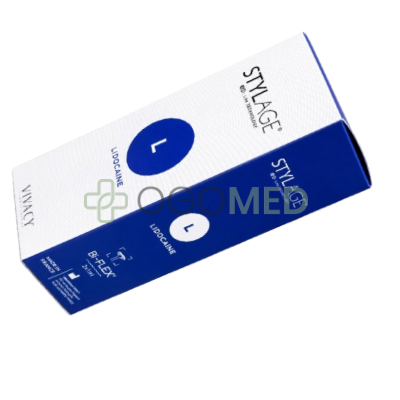
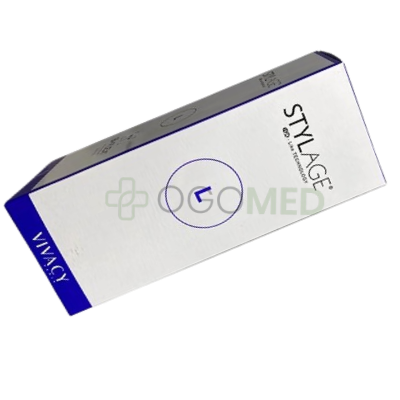
Stylage L Bi-Soft with Lidocaine is a biodegradable injectable filler developed by Laboratoires VIVACY for correcting pronounced folds and replacing localized facial volume. Its advanced formula combines cross linked hyaluronic acid with mannitol and lidocaine. Hyaluronic acid provides physical support, while mannitol helps limit oxidative damage to the gel during the early tissue response. The anesthetic component is included to encourage a more comfortable injection rather than to influence the final aesthetic effect.
The main product details are:
- hyaluronic acid concentration: 24 mg/g;
- mannitol concentration: 0.9%;
- lidocaine strength: 0.3%;
- lidocaine quantity: 3 mg per 1 ml syringe;
- package format: two prefilled 1 ml syringes;
- graduated Bi-Soft injection technology.
This filler arrives prefilled and ready for professional use, although it does not mean suitable for self-administration. Its ergonomic syringe is designed to offer greater precision and controlled pressure during placement. Among innovative dermal fillers, the Bi-Soft system is chiefly a delivery feature. Treatment quality still depends on anatomical knowledge, product selection, and technique.
How the Stylage Bi-Soft L Gel Works
Hyaluronic acid attracts water and acts as a filling medium within the tissue. Once placed at the correct injection depth, the gel supports a depression from beneath and softens the shadow created by a fold. Its density makes it more suitable for deep wrinkle correction and volume restoration than for smoothing superficial texture. The product undergoes natural breakdown over time rather than remaining permanently in the face.
Mannitol is an antioxidant, not a second volumizing agent. It helps protect the hyaluronic-acid network against free radicals, while lidocaine temporarily reduces sensation around the injection site. Describing lidocaine simply as a powerful anaesthetic can be misleading: it improves comfort locally, but it does not eliminate every sensation or procedural risk. The resulting enhanced comfort may be valuable when several injection points are required.
Areas Commonly Treated with Lidocaine Stylage
Stylage L is primarily used for deep nasolabial folds and marionette lines around the lower face. It may also be considered for cheek wrinkles, a hollow temple area, and selected wrinkled and sagging areas where structural support has diminished. This is a volume loss treatment rather than a surface skincare procedure. The aim is usually smoothing wrinkled contours while keeping expression and movement recognizable.
Areas discussed during professional assessment may include:
- moderate, severe, or very deep wrinkles;
- localized deficits in the cheeks and temples;
- earlobe reshaping and hand rejuvenation;
- facial contouring around the chin or jawline;
- carefully selected nasal corrections.
The same product is not automatically appropriate for every skin type or anatomical site. A thin, mobile region may require a softer formulation, while deeper layers may need greater structural support. Deeper corrections can sometimes involve a sub cutaneous approach, but the final placement plane must be selected by a qualified practitioner.
Nasal Profile Corrections
In selected cases, filler may be used to modify the visible profile without surgery. A nasal hump reduction achieved this way is an optical effect: gel is added around the prominence to make the profile appear straighter. A nasal tip lift likewise changes apparent projection or surrounding angles without repositioning cartilage or removing tissue.
Nasal injection carries particular risk because blood vessels in this region communicate with circulation around the eyes. Accidental intravascular placement can impair blood supply, damage skin, or threaten vision. Procedures involving the nose require advanced anatomical knowledge and immediate access to an established complication protocol.
Stylage Bi-Soft L Lidocaine Expected Results and Clinical Evidence
Stylage L can improve the appearance of a fold immediately because the gel provides support as soon as it is deposited. Marketing language suggesting that it can instantly correct deep wrinkles needs context, since early swelling may make the correction look stronger than the settled result. Desired results are assessed after initial inflammation has decreased, when symmetry, softness, and movement are easier to judge. Results typically last 9-12 months after treatment. These long lasting effects vary with the treated area, injected amount, metabolism, and lifestyle.
Maintenance sessions should be based on reassessment rather than a fixed calendar. Adding more gel while residual product remains can gradually alter proportions or create overcorrection. The treatment area, baseline anatomy, previous filler, and the patient’s expectations all matter when deciding whether another session is appropriate.
Dermal Fillers Administration and Patient Selection
Stylage L may be placed in the deep dermis or subcutaneous tissue according to the indication and individual anatomy. Linear threading is one technique available to trained injectors, but a named method is not a universal instruction. Needle or cannula selection, entry point, pressure, depth, and deposited volume must be determined during a direct clinical assessment.
The consultation should cover previous filler, medicines, allergies, dental work, active skin disease, and relevant medical history. Treatment may be unsuitable for people with infection or inflammation at the proposed site. Pregnancy, breastfeeding, bleeding disorders, and certain autoimmune diseases also require careful consideration against the current instructions for use.
Lidocaine Side Effects and Safety
Expected local reactions include redness, swelling, bruising, itching, firmness, and tenderness. They frequently improve within several days, although their intensity and duration vary. Possible lidocaine side effects include local irritation, hypersensitivity, light-headedness, or other reactions, particularly in people with a known anesthetic allergy. A complete allergy history remains necessary even when the same person has previously received another filler.
Complications that require closer attention include:
- infection or herpes reactivation;
- persistent nodules and granuloma formation;
- migration, asymmetry, or excessive correction;
- delayed inflammatory or allergic reactions;
- vascular occlusion with skin injury;
- visual disturbance following intravascular injection.
Increasing pain, pale or mottled skin, unusual coolness, worsening discoloration, blurred vision, or neurological symptoms require urgent medical attention. These are not ordinary signs of recovery. The practitioner must be able to recognize compromised circulation and respond without delay.
Aftercare
Fresh injection points should be kept clean and left undisturbed unless the clinician advises otherwise. Patients are commonly told to avoid unnecessary pressure, rubbing, or massage during the initial recovery period. Makeup may also need to be postponed until the entry sites have closed. Early unevenness can reflect swelling rather than incorrect placement.
Common precautions include:
- protect treated areas from pressure and contamination;
- postpone strenuous sports activity for approximately 24-48 hours;
- avoid exposing the area to saunas, tanning beds, or intense heat;
- limit alcohol when advised by the practitioner;
- report worsening pain or discoloration immediately.
Extreme temperatures and direct sunlight may intensify early redness or swelling. Instructions vary according to anatomy, technique, and medical history, so generic online advice should not replace guidance from the treating clinic. Optimal results also depend on allowing the tissue response to settle before judging whether correction is sufficient.
Storage and Product Integrity
Unopened Stylage L Lidocaine BiSoft with should remain in its original packaging at the temperature stated in the manufacturer’s instructions, generally 2-25°C. It must be kept away from frost, moisture, direct heat, and strong light. The filler must not be frozen, resterilized, or used after the printed expiration date.
Before treatment, the clinic should inspect the carton, seals, syringe, lot number, and gel appearance. Damaged packaging, missing traceability, particles, or evidence of unsuitable transport are valid reasons not to use the device. Each syringe is intended for one patient and one treatment session. Any remaining material must be discarded through the appropriate clinical-waste process.
Where to Buy Stylage L Bi-Soft with Lidocaine
Doctors and licensed aesthetic practitioners looking to buy Stylage L Bi Soft with Lidocaine can source the professional pack format through OGOMed. The product is suitable for clinic inventories focused on correcting deep wrinkles and restoring localized facial volume. Clear identification of the formulation helps distinguish VIVACY Stylage L Lidocaine from related fillers with different densities or indications.
Specifications
| Category: | Dermal Fillers |
| Brand | Stylage |
Found a Better Price?
If you see the same product for less elsewhere, we'll gladly try to match it!
Learn more...
Learn more...
Estimated Delivery Time: 3-7 Days
Free Shipping Over: $750