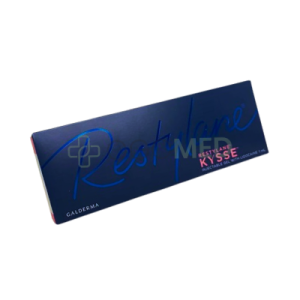

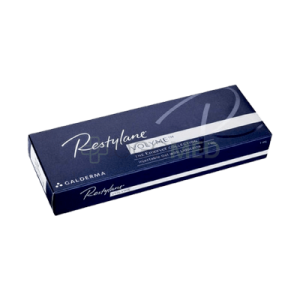
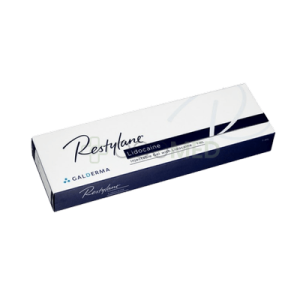








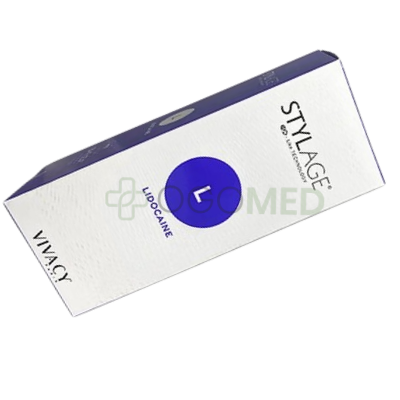
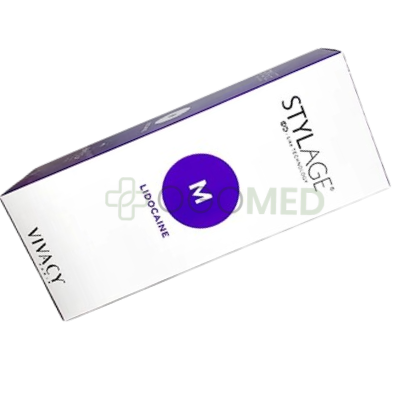
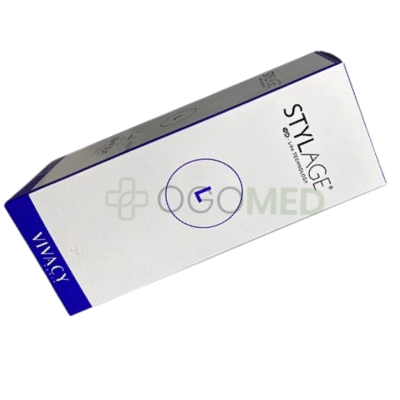
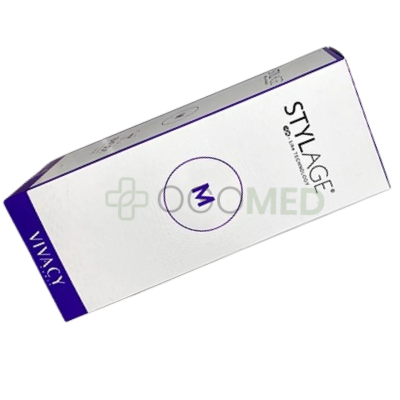
Restylane Lyft (Perlane) Lidocaine 1ml
In Stock
| Category: | Dermal Fillers |
| Tags: | Cheeks, cosmetic sphere, dermal fillers, Marionette lines, Nasolabial folds |
| Brand | Restylane |
Learn more...
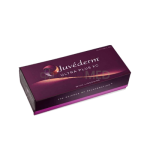
Restylane Lyft (Perlane) Lidocaine 1ml is a firm injectable gel developed for facial areas that need more than light surface correction. It is a hyaluronic acid based filler with a dense consistency that can support tissue, restore projection and soften pronounced folds without creating the feel of a permanent implant. Within the range of Restylane dermal fillers, this product is generally associated with deeper correction and structural volume rather than fine superficial lines.
The gel contains stabilized, non-animal hyaluronic acid together with lidocaine, which helps reduce pain as the product is placed. Its thicker formula gives the injector more support when working with volume loss, deep wrinkles or changes caused by the natural aging process. As part of the Galderma hyaluronic acid filler range, Restylane Lyft is FDA-approved for specific aesthetic indications. It may also be referred to by its earlier name, Restylane Perlane, depending on the market or supplier.
How Restylane Lyft Works for Facial Contouring
Hyaluronic acid is naturally present in the body and has an affinity for water molecules, helping tissues maintain hydration and volume. Restylane Lyft with Lidocaine uses a stabilized form of this material, related to naturally produced hyaluronic acid, but designed to remain in the tissue for a longer period before gradually breaking down. It is a non animal stabilized hyaluronic gel rather than an animal stabilized hyaluronic acid product.
Once placed into the appropriate tissue plane, the filler physically supports areas where volume has been lost. Restylane Lyft with Lidocaine can stimulate collagen growth, which increases the skin’s elasticity and strength, contributing to a more youthful appearance. This can be particularly useful when facial changes involve not only the skin but also underlying subcutaneous fatty tissue, which tends to shift or diminish with age. This Restylane product can add structure beneath a fold, helping improve the visible depth of wrinkles and folds rather than merely affecting the surface layer.
Deep Placement and Structural Support
In deeper corrections, Restylane Lyft with Lidocaine may be placed in the deep dermis, superficial subcutis or another layer, depending on the indication and anatomy involved. The exact depth is determined by the injector, and the material may be injected deep where stronger structural support is needed. When injected deep into the dermis, hyaluronic acid in Restylane Lyft can expand to about a thousand times its size, effectively plumping the skin and smoothing out wrinkles and lines. This makes it suitable for selected areas where a softer filler may not provide enough projection.
Areas Commonly Treated
Restylane Lyft with Lidocaine is often considered when the main concern is loss of support rather than fine texture. It may be used for correcting deep facial folds, restoring volume to the midface or helping improve pronounced nose to mouth lines. Depending on local approval and clinical judgment, treatment may also involve facial areas affected by deeper contour changes.
Typical treatment goals may include:
- softening moderate to severe facial folds;
- improving selected deep lines and severe facial wrinkles;
- restoring cheek or midface projection through facial augmentation;
- supporting facial contouring where volume has been lost;
- helping correct moderate structural folds around the lower and middle face.
The product can also be used as part of a broader approach to moderate to severe facial aging changes. In some cases, the practitioner may assess marionette lines, cheek volume and other facial features together because one area can influence the appearance of another. Treating the underlying loss of support can sometimes create a more balanced result than placing filler directly into every visible line.
Product Benefits
One of the main advantages of Restylane Lyft is the combination of firmness and tissue integration. It is specifically formulated for areas that require noticeable support and can be useful when aged skin is accompanied by deeper volume loss. Its consistency allows an experienced practitioner to build or restore contour in a controlled way.
Its practical benefits include:
- effective support for pronounced facial folds;
- a dense gel suited to adding lost volume;
- the ability to treat moderate to deeper facial depressions;
- lidocaine for a more comfortable injection experience;
- temporary, biodegradable correction rather than permanent implantation.
Restylane Lyft is frequently used for facial augmentation, especially where the face has lost projection over time. The gel can support soft tissue and help restore transitions between facial regions that have become flatter or more hollow. For this reason, it may form part of anti aging cosmetic treatments that focus on structure rather than just visible lines.
Restylane Lyft for Deep Wrinkles and Nasolabial Folds
Pronounced folds between the nose and mouth often develop through a mixture of repeated movement, skin changes and gradual loss of structural support. Environmental factors such as chronic sun exposure can affect skin quality, while deeper changes in fat compartments and bone can make these folds more noticeable. This is why nose to mouth lines are not always treated as an isolated surface problem.
Restylane Lyft can be selected for correcting deep facial folds because the gel is firm enough to support tissue below the visible crease. Depending on the patient, the injector may treat the fold directly, restore nearby midface volume, or combine both approaches. The treatment area and placement depth are decided according to facial anatomy rather than by using a fixed technique for everyone.
Hyaluronic Acid Dermal Fillers Injection Technique and Placement
Correct placement is particularly important with a denser filler. The injection technique must account for the thickness of the gel, local anatomy, vascular structures and the amount of correction required. Restylane Lyft should only be administered by a trained medical professional familiar with dermal fillers and management of potential complications.
During Restylane Lyft treatment, the practitioner considers:
- the depth and position of the fold or volume deficit;
- the condition of the surrounding skin tissue;
- the amount of filler required;
- whether placement should be in the deep dermis or another appropriate plane;
- the relationship between the target area and nearby vessels.
The filler is commonly supplied as an x 1ml pre filled syringe in a sterile glass syringe presentation, and a small disposable needle may be used depending on the technique. Because filler placement near a blood vessel requires detailed anatomical knowledge, professional administration is essential. A product described as a safe dermal filler still carries risks if it is injected incorrectly.
Lidocaine and Injection Comfort
Restylane Lyft contains lidocaine hydrochloride, an established local anesthetic included to make treatment less uncomfortable. The lidocaine strength is 0.3%, equivalent to 3 mg/mL, which is integrated directly into the gel. This means the anesthetic effect develops as the filler is injected rather than depending only on a topical cream applied before treatment.
The lidocaine quantity is sufficient to reduce some of the discomfort associated with repeated injections, although it does not make the procedure completely sensation-free. Pressure, tissue distension and needle entry may still be felt, especially in sensitive areas. Lidocaine acts as a powerful anaesthetic locally, but patients with relevant hypersensitivity require careful medical assessment before treatment.
The combination is particularly useful when treating larger or deeper areas where several deposits may be required. In practice, Lyft Lidocaine offers the structural qualities of the filler with improved procedural comfort. That can be important when working with a dense gel that is intended for deeper placement.
Duration of the Effect
Restylane Lyft produces a temporary result because the hyaluronic acid is gradually metabolized by the body. The exact duration depends on the treated area, injected volume, tissue movement, metabolism and individual anatomy. Areas that move frequently may lose visible correction faster than regions where the gel remains under less mechanical stress.
For correction of facial folds, results often remain noticeable for around six months, while volume correction in areas such as the cheeks may persist longer. In some patients, the visible effect can continue for up to approximately twelve months in appropriate augmentation areas. These timeframes are not guarantees, and the rate of breakdown differs from one person to another.
The appearance immediately after the Restylane Lyft treatment may also differ from the settled result because some swelling is expected. Volume can look more pronounced during the first days, especially when the filler has been placed into a deep layer. A follow-up assessment may therefore be useful after the initial tissue response has subsided.
Possible Adverse Effects and Common Reactions
Most reactions associated with dermal filler injections are temporary and occur around the injection site. Common reactions may include swelling, redness, tenderness, pain, bruising, itching or temporary firmness. These effects usually reflect tissue response to the needle, the gel itself and local manipulation.
Possible adverse effects include:
- bruising, swelling and localized redness;
- pain or tenderness in the treated area;
- temporary lumps or irregularities;
- itching or discoloration;
- infection or inflammatory reactions;
- vascular complications associated with accidental intravascular injection.
In rare cases, patients may experience more serious or delayed reactions, including papules, hyperpigmentation, hypersensitivity, granuloma formation, or reactivation of herpes infection after treatment with Restylane Lyft. Serious complications are uncommon but can occur. If filler enters or compresses a blood vessel, blood supply to the tissue may be reduced, which can cause tissue injury and, in rare cases, serious visual or neurological complications. Severe pain, unusual blanching, progressive discoloration or visual symptoms after treatment require urgent medical attention.
Facial Augmentation: Precautions and Patient Assessment
A consultation should take place before treatment so that medical history, previous procedures and current medications can be reviewed. People with active infection or inflammation near the proposed injection site may need to postpone treatment. The clinician should also consider any history of severe allergy, reactions to local anesthetics or bleeding disorders.
Certain factors are especially relevant before injection:
- anticoagulant or antiplatelet medication;
- previous filler treatments in the same region;
- active skin irritation or infection;
- allergy to lidocaine or similar anesthetics;
- medical conditions that can increase procedural risk.
Patients age requirements depend on the product approval in the country where treatment is performed, and Restylane Lyft with Lidocaine is generally intended for adults. Pregnancy, breastfeeding and some underlying medical conditions may require additional caution or avoidance of elective filler treatment. A proper assessment is more important than simply matching a wrinkle to a product.
Restylane Lyft Lidocaine and Facial Volume
Loss of facial volume does not always present as obvious hollowing. It may instead appear as deeper folds, flatter cheek contours or changes in the way one facial region transitions into another. Restylane Lyft can address these structural changes by restoring support below the skin rather than simply smoothing its uppermost layer.
Because the gel is comparatively firm, it can be helpful in facial contouring and in cases where softer fillers might spread too easily. The product can support the surrounding skin tissue while maintaining enough structure to create visible projection. The goal is usually controlled correction rather than excessive fullness.
Although lip enhancement is one of the best-known uses of dermal fillers generally, Restylane Lyft is more strongly associated with structural facial correction than with delicate lip shaping. Product choice depends on the anatomy, tissue thickness and desired effect, and another Restylane formulation may be more appropriate when flexibility and softness are the main priorities.
Where to Buy Restylane Lyft (Perlane) Lidocaine 1ml
Restylane Lyft with Lidocaine can be ordered online from various medical supply websites, which require verification of medical licenses for purchase. OGOmed is one of the suppliers where qualified medical professionals can source Restylane Lyft (Perlane) Lidocaine 1ml for use in aesthetic practice. When purchasing injectable products online, attention should be paid to product authenticity, packaging integrity, storage conditions, and the reliability of the supplier, particularly because dermal fillers require proper handling throughout distribution.
12 reviews for Restylane Lyft (Perlane) Lidocaine 1ml
You must be logged in to post a review.
| Category: | Dermal Fillers |
| Tags: | Cheeks, cosmetic sphere, dermal fillers, Marionette lines, Nasolabial folds |
| Brand | Restylane |
Learn more...
Easy to find what i need fair prices and stress-free
Great deals with simple checkout very pleased with the smooth experience
still fresh lyft lidocaine stock, patients satisfied
easy ordering process, no hassle
price was good for lyft lidocaine
reliable choice
very easy ordering process is why I return here over and over again. love products here!
great, 5/5
I was worried that the price here is so low, but product arrived safely and is in perfect condition. Can recommend.
Good service and affordable prices!
Recieved my parcel. Everything is packed nicely, boxes are authentic and sealed. Nothing is damaged. Very happy with everything thank you!
always said that products with lidocaine are better than those without. amazing!