
Content
Choosing a reliable birth control method is a deeply personal decision that depends on lifestyle, medical history, and long-term plans for the body. Among long-acting reversible contraceptives, hormonal intrauterine options stand out for their effectiveness and convenience.
Mirena and Liletta are two popular choices that often raise similar questions about hormones, safety, and everyday comfort. Let’s compare them in detail to explore how they work, what sets them apart, and what users should realistically expect, especially regarding hormonal effects and overall reproductive health.
Hormonal IUDs are small, T-shaped devices placed in the uterus to prevent pregnancy. It is one of the most effective forms of birth control, offering long-term protection without daily effort. These intrauterine devices IUDs are designed to work locally inside the uterus, releasing hormones directly where they are needed.
Liletta and Mirena are both hormonal IUDs that release levonorgestrel to prevent pregnancy. This hormone belongs to a class known as progestin, and its localized action makes these intrauterine devices appealing to many users.
These IUDs do not contain estrogen, which may result in fewer hormonal side effects compared to other contraceptive methods that do contain it. This makes them suitable for people who cannot tolerate estrogen-based options.
The mechanism behind Liletta and Mirena is simple but highly effective. Both rely on the progestin hormone called levonorgestrel, released gradually into the uterus:
Together, these actions create strong (more than 99%) pregnancy prevention while allowing a quick return to fertility after removal.
Hormonal IUDs are often prescribed for women who experience heavy menstrual bleeding or severe menstrual pain. One important distinction between the two devices lies in their official indications. Mirena is commonly used to treat heavy menstrual bleeding, while Liletta is not specifically indicated for this purpose. Both devices are FDA-approved and widely recommended by gynecologists.
Liletta and Mirena IUDs contain 52 mg of levonorgestrel and release it at approximately 20 mcg per day. This places them within the same category of levonorgestrel-releasing intrauterine system options:
This steady delivery of the hormone levonorgestrel supports consistent contraceptive protection while minimizing systemic exposure.
Concerns about side effects are common with any birth control method. Liletta and Mirena can cause similar adverse effects, including changes in menstrual bleeding patterns, abdominal or pelvic pain, headaches, mood changes, acne, and breast tenderness because of levonorgestrel.
These are considered the most common side effects, though experiences vary widely. Some users worry about weight gain, but clinical evidence shows limited direct association, and any changes in the body are usually minimal.
One of the most noticeable effects involves periods. Hormonal IUDs can lead to lighter periods or even the absence of cycles for some users after several months of use:
IUDs can cause irregular bleeding for the first few months after insertion. Reduced menstrual bleeding can be a major benefit, especially for those with painful periods.
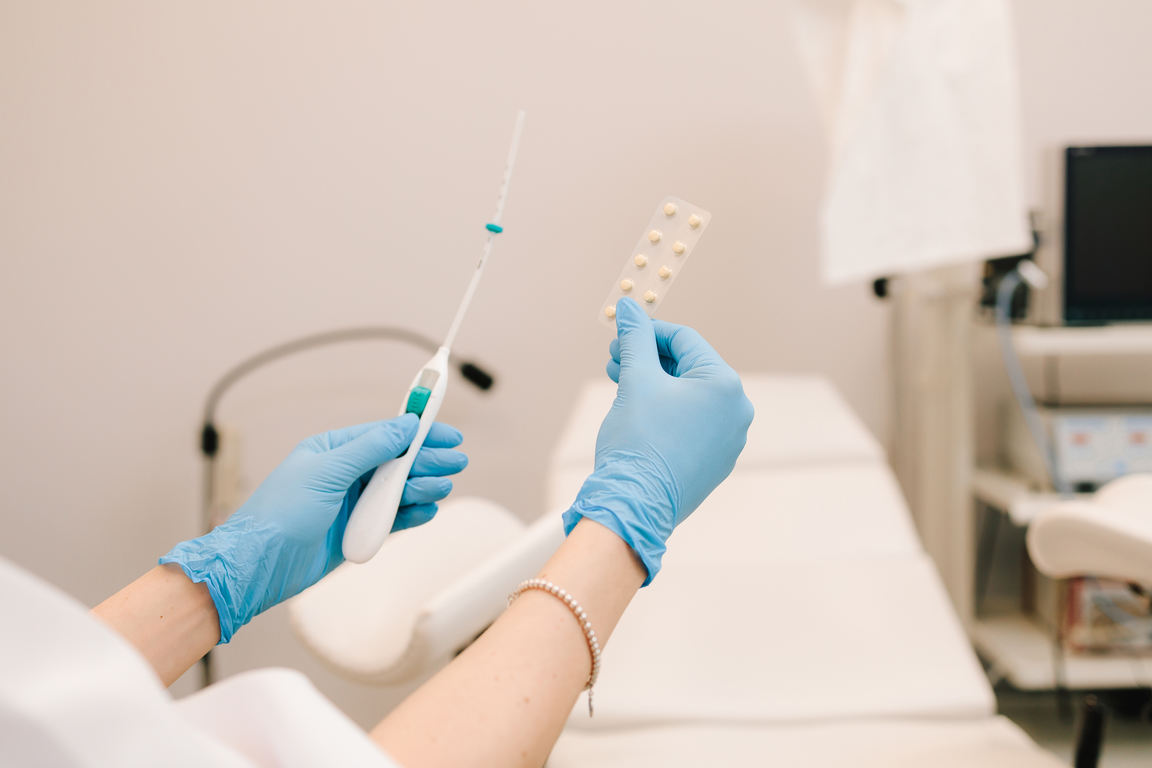
The insertion of an IUD with levonorgestrel is performed by a healthcare professional during an outpatient procedure. The insertion of an IUD is typically a quick procedure that can take 5 to 15 minutes:
Hormonal IUDs can be removed at any time by a healthcare professional. Fertility typically returns quickly, allowing users to get pregnant when ready.
As long-acting forms of birth control, these devices are among the most reliable available. They significantly reduce the risk of unwanted pregnancy, but no method is entirely without risk:
If a woman becomes pregnant while using an IUD, there is a higher risk of ectopic pregnancy. Still, the overall chance to get pregnant while using one is extremely low.
When comparing intrauterine devices IUDs, it’s useful to look beyond Mirena and Liletta:
Compared to most forms of contraception, IUDs offer unmatched convenience and reliability.
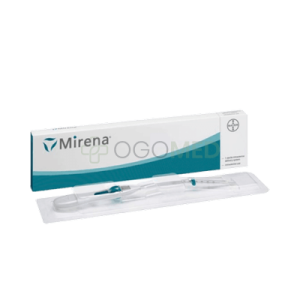
Mirena is manufactured by Bayer, while Liletta is marketed by AbbVie in partnership with the non-profit organization Medicines360.
Both IUDs are FDA-approved for up to 8 years of contraceptive use. The new Mirena labeling reflects extended duration based on updated evidence. For those considering long-term options, many patients choose to buy Mirena, especially when it is covered by health insurance or recommended for managing heavy periods.
The main differences between these two options are subtle but important. While Mirena and Liletta share the same hormone dose and structure, labeling, pricing, and approved uses differ. Size-wise, Liletta is considered slightly smaller, which may matter for some anatomies. Understanding these main differences helps users pick confidently.
Deciding between Mirena and Liletta comes down to personal priorities, medical needs, and comfort with hormonal birth control. Both are highly effective hormonal IUD options that offer long-term protection, predictable hormone delivery, and significant benefits for managing periods.
While side effects like spotting, breast tenderness, or mild weight gain concerns may arise, most users find these manageable or temporary. By working closely with a healthcare provider and understanding how each intrauterine system interacts with the uterus, individuals can pick the option that best supports their health and lifestyle.
Both devices have very similar safety profiles, so the discussion usually focuses on possible side effects rather than major differences. These may include changes in bleeding patterns, mild pelvic discomfort, headaches, or acne, especially in the early months. Some users also notice other side effects such as breast sensitivity or temporary mood changes.
Unlike pills or patches that work throughout the whole body, hormonal IUDs act mainly inside the uterus. They release a low dose of a progestin hormone, which helps prevent pregnancy without daily effort. This localized action is why many people experience fewer systemic symptoms compared with some short-term contraceptive methods.
The device immediately begins working inside the uterus. Some cramping or light spotting can occur right after getting an IUD inserted, but this often resolves quickly. Over time, many users notice changes in their menstrual cycle, such as lighter or shorter periods, especially after the first few months.
Yes. Fertility typically returns quickly after removal. While using a hormonal IUD, some people may develop temporary ovarian cysts, which are typically harmless and resolve on their own. These cysts do not prevent future pregnancy, and most users can conceive normally once the device is taken out.