
Content
When it comes to modern birth control, there’s been a steady rise in the use of long-acting reversible options. Among these, hormonal intrauterine devices stand out for their convenience, duration, and effectiveness. But not all intrauterine devices (IUDs) are identical. Two of the most popular — Kyleena and Mirena (both are levonorgestrel releasing intrauterine system) — share the same basic goal: to prevent pregnancy, yet they differ in size, hormone delivery, and side effects.
For some people, choosing between them feels like picking between two close relatives — both have a lot in common, but small main differences can make one a better fit for you. This article takes a deep dive into Kyleena vs. Mirena hormone levels, size, and what to expect after IUD insertion.
Kyleena is a hormonal IUD designed for those who want long-term contraception without the highest possible hormone dose. It’s slightly smaller than Mirena, which makes it easier to place in people with a smaller uterus, including younger women who have never given birth.
Like other hormonal intrauterine devices, Kyleena releases a progestin hormone called levonorgestrel directly into the uterus. The hormonal IUD mechanism includes:
This local action means less hormone enters the rest of your body, which can reduce some hormonal side effects compared to other methods.
Kyleena lasts up to five years. The release rate of levonorgestrel is highest in the first months, and the rate decreases progressively over time. Because of its lower dose, it’s considered gentler for most users. Kyleena’s common side effect profile includes:
Possible side effects to be aware of: mood changes, mild acne, or cramping shortly after the IUD inserted. These often improve within a short while as you adjust. 
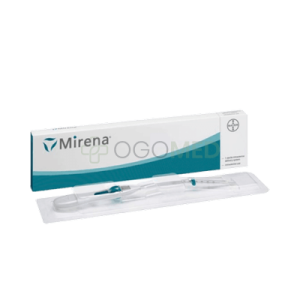
Mirena is another hormonal IUD, but with a twist. It contains more levonorgestrel, making it a higher-dose intrauterine device compared to Kyleena. While this can lead to more noticeable hormonal side effects, it also offers added benefits for those struggling with heavy menstrual bleeding.
Like Kyleena, Mirena thickens cervical mucus and thins the uterus lining to prevent pregnancy. However, Mirena is FDA-approved for treating heavy periods in people who also want contraception. That means it serves both as a birth control tool and as a treatment option for those with heavy periods. The higher dose of levonorgestrel can dramatically reduce menstrual cycles, and for some, eliminate periods altogether.
Mirena is a slightly larger device, which may not be the best fit for people with a smaller uterus. The insertion process can cause temporary discomfort, but it’s usually manageable, especially with a local anaesthetic if needed. For all its benefits, Mirena IUD can come with side effects. These can include:
More serious risks, though rare, include ectopic pregnancy, infection, or even endometrial cancer in very unusual cases. Drug interactions are also worth considering if you take certain medications. Always let your provider know about your prescriptions before getting a new IUD.
When comparing Mirena, Kyleena (levonorgestrel), the most obvious differences involve hormone content, device size, and how long each lasts:
| Feature | Kyleena hormonal IUD | Mirena hormonal IUD |
|---|---|---|
| Hormone dose (levonorgestrel) | Lower dose | Higher dose |
| Size | Slightly smaller | Larger |
| Duration | Up to 5 years | Up to 8 years |
| Approved uses | Prevent pregnancy | Prevent pregnancy, treating excessive menstrual cycles |
| Side effects | Generally milder hormonal impact | More pronounced hormonal changes |
| Periods impact | Lighter, possible skipped cycles | Can stop periods entirely |
Both Mirena and Kyleena are highly effective and effective at preventing pregnancy over several years. Your choice might depend on whether hormonal aftereffects or managing excessive menstrual cycles is your top priority.
Getting an IUD is a straightforward office procedure. The hormonal IUD insertion for either Mirena or Kyleena typically takes only a few minutes. Here’s what happens during the insertion process:
You might feel discomfort or cramping right after it’s inserted, but it usually eases soon. Over a short while, the spotting or cramping usually eases. As birth control options, both Kyleena and Mirena (levonorgestrel) offer long-term, low-maintenance contraception — ideal if you don’t want to think about your device daily.
The first few months may bring changes: lighter menstruation, irregular bleeding, or spotting. Some also notice weight gain, mood shifts, or mild cramping. It’s important to monitor for rare complications, including severe infection or pregnancy with an IUD in place. If pregnancy occurs, there’s a small risk of ectopic one.
Compared to pills, patches, or rings, both Mirena and Kyleena IUDs are highly effective hormonal solutions that require no daily attention. They sit among the most reliable birth control options, especially for those seeking contraception that works in the background. After being inserted the IUD stays in the uterus and continues to prevent pregnancy without further action. This makes them attractive to people who want long-term treatment for heavy menstrual cycles or simply want to forget about daily reminders. In addition, both IUDs provide benefits beyond birth control, such as lighter menstruation or relief from heavy menstrual bleeding, which many short-term methods cannot match. This combination of convenience, effectiveness, and potential health improvements sets them apart as one of the most versatile choices in modern contraception.
When choosing a hormonal IUD, it’s important to know not only its benefits, but also what you might experience after the device is inserted. Both Kyleena and Mirena share similar common aftereffects, though the intensity can vary due to their hormone levels.
Most negative effects are mild and improve within the first few months. These can include:
Some users may also experience occasional neurological symptoms such as headaches or migraines, particularly during the initial adjustment period. These changes are part of how hormonal IUD work, and for most users, they settle as your body adapts to the steady release rate of levonorgestrel.
Drug interactions can affect the performance of your hormonal IUD. Certain medications, especially those that influence liver enzymes, may alter how the hormone is metabolized. This can theoretically reduce the effectiveness to prevent pregnancy. Examples include:
Always tell your healthcare provider about all medications and supplements you take before having a new IUD inserted.
While both Mirena and Kyleena are highly effective and effective at preventing pregnancy, the small risks shouldn’t be ignored. Healthcare providers weigh your personal medical history, your birth history, and your need for treatment of issues like heavy menstrual bleeding when recommending the right IUD. Choosing between them isn’t just about convenience, it’s about finding a balance between benefits, manageable adverse effects, and a risk profile you’re comfortable with.
Choosing between Mirena, Kyleena is ultimately a personal decision. Both are intrauterine devices IUDs, that are effective at preventing pregnancy, and each has unique features. Kyleena’s smaller dose may appeal to those wary of hormonal side effects, while Mirena’s higher hormone content makes it ideal for treating heavy menstrual bleeding and possibly eliminating periods. Either way, the decision should come down to your lifestyle, medical history, and how you feel about hormonal exposure. By understanding the main differences in IUDs’ size, hormone levels, and aftereffects, you can work with your provider to select the device that best aligns with your needs. It will ensure you not only prevent pregnancy but also feel comfortable and confident in your choice.