
Content
Juvéderm Ultra and Juvéderm Ultra Plus are FDA-approved dermal fillers. They sit close together in the same filler family, so the names make them sound almost interchangeable. They are both injectable hyaluronic acid gels, both contain lidocaine, and both can soften moderate to severe facial folds. The real difference is how much structure the gel provides and, as a result, where an injector may prefer to use it.
That difference matters more than simply choosing the stronger product. Someone wanting a subtle change around the mouth has very different aesthetic goals from someone trying to soften deeper lines that need more support. The right choice depends on the treatment area, tissue quality, existing volume loss, and how much correction is actually needed.
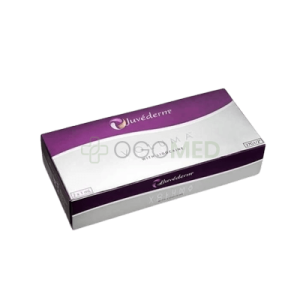
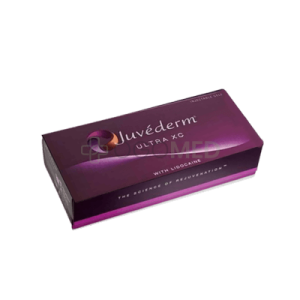
Juvederm Ultra XC is an injectable gel made with cross-linked hyaluronic acid. Hyaluronic acid is a naturally occurring substance found throughout the body, including the skin, where it helps retain water. In a filler, it becomes a smooth gel that can add volume beneath a fold or reshape a treated area.
Ultra XC is approved in the U.S. for injection into the mid-to-deep dermis to correct moderate to severe facial wrinkles and folds, including nasolabial folds. It also has a specific indication for augmentation of the lips and perioral area in adults over 21.
Ultra XC tends to make sense when movement and softness are important. Around the mouth, for example, an injector may want enough structure to enhance shape without making the area feel unnecessarily heavy. That balance is one reason it has become a popular choice among dermal fillers used for lip enhancement.
Depending on the treatment plan, it may be considered for:
It should not be assumed that every facial area is an approved use. Filler treatment of the nose, for instance, is different from its indications and carries important vascular risks. Injection into highly vascular areas requires particular caution because accidental placement in a blood vessel can cause tissue injury, visual complications, or other serious problems.
Ultra XC is often described clinically as the softer of the two products. It can provide enough volume for visible correction while allowing an injector to work in areas where a very thicker gel would not necessarily produce the most natural movement. The aim is usually a smoother contour and a refreshed appearance, rather than making every treated feature dramatically larger.
That does not mean the effect is weak. Well-placed Juvederm injections can produce quite impressive results, particularly when the issue is loss of definition or moderate folding rather than major structural loss. How natural the result looks still depends heavily on placement and quantity; the filler itself cannot compensate for poor technique.
Juvederm Ultra Plus XC belongs to the same product family but is generally used when more substantial correction is needed. Like Ultra XC, it contains cross-linked hyaluronic acid and 0.3% lidocaine, a local anesthetic added to reduce procedural pain. FDA labeling covers injection into the mid-to-deep dermis for correction of moderate to severe facial wrinkles and folds such as nasolabial folds.
Ultra Plus XC does not carry the same specific approval for lip augmentation. This is one of the practical differences that can easily disappear when the two products are discussed simply as members of the Juvéderm range.
Ultra Plus XC has a firmer, more robust character, making it useful when an injector wants more support beneath a pronounced fold. Think of an established nasolabial fold or certain marionette lines rather than a tiny superficial crease. The goal is not merely smoothing wrinkles at the surface; the gel has to support tissue underneath the visible line.
Typical treatment considerations include:
A firmer product is not automatically better. In a delicate or highly mobile area, extra structure can be unnecessary. In another area, a softer gel may not provide enough correction to achieve the desired results.
There are now several fillers within the same brand family, so the decision is not limited to Ultra versus Ultra Plus. Juvederm Vollure XC, for example, is another option for moderate to severe facial folds and uses a different formulation technology. Product selection has become more specific as the range has expanded.
The same is true when comparing fillers with Botox. Botox does not replace lost volume and is not a hyaluronic acid filler. It works by reducing activity in selected muscles. A person may be a good candidate for one, the other, or a combination, depending on whether the main issue is a dynamic wrinkle, tissue volume, or both.
The easiest way to understand the comparison is to forget the word “Plus” for a moment. Ultra Plus is not simply an upgraded version of Ultra. They are formulated to provide different handling and tissue-support characteristics, and that affects how they are selected in cosmetic treatments.
| Feature | Juvederm Ultra XC | Juvederm Ultra Plus XC |
|---|---|---|
| Material | Hyaluronic acid gel | Hyaluronic acid gel |
| Lidocaine | Yes | Yes |
| Relative feel | Softer, more flexible | Firmer, more substantial |
| Facial folds | Moderate to severe | Moderate to severe |
| FDA-approved lip augmentation | Yes | No specific lip indication |
| Common treatment logic | Softer shaping and correction | More support for deeper folds |
Neither product is intended to create exactly the same effect in every face. Factors such as skin thickness, age-related changes, facial movement, previous filler, and the amount of correction required can influence which gel fits the plan better.
 Dermal Fillers
155 products available
Explore our Dermal Fillers collection and browse available products.
View category
Dermal Fillers
155 products available
Explore our Dermal Fillers collection and browse available products.
View category
For someone who wants a modest adjustment in lip shape or softer correction around the mouth, Ultra XC may fit the plan more naturally. A patient with deeper nasolabial folds may instead need the extra support associated with Ultra Plus XC. Natural does not mean using the smallest possible amount; it means matching the product and placement to facial anatomy.
Both products can provide long lasting results, but filler gradually breaks down and no result is permanent. Most patients will eventually notice that the correction becomes less obvious. Rather than following a rigid treatment schedule, repeat treatment is usually considered after reviewing how much effect remains and whether the original aesthetic goal has changed.
The routine reactions are similar for both fillers. After treatment, temporary redness, swelling, tenderness, bruising, firmness, itching, lumps, discoloration, or discomfort can occur. These signs are commonly related to the injection process itself and usually improve as the area settles.
A few practical steps may help minimize unnecessary irritation:
A true allergic reaction is less common, but the products should not be used in people with certain severe allergy histories or allergy to lidocaine. Treatment should also be postponed when there is an active inflammatory condition or infection at the planned injection site.
The most serious risk occurs when filler is unintentionally injected into a blood vessel. Vascular occlusion may interrupt blood supply and can cause skin necrosis; rare reports involving facial fillers include vision impairment, blindness, and stroke. Unusual severe pain, blanching of the skin, sudden vision changes, or neurological symptoms during or shortly after treatment require immediate medical attention.
This is also why filler should be treated as a medical procedure rather than an ordinary beauty service. The person performing it needs to understand facial vascular anatomy, recognize complications early, and be prepared to address them. Sometimes management includes hyaluronidase, while severe complications may require specialist care or even surgery.
The decision usually comes down to what needs to be corrected rather than which name sounds more powerful. Ultra XC offers a softer option and has an FDA-approved indication for lip augmentation, it is lighter and thinner than Ultra Plus. While Ultra Plus XC is better for deeper wrinkles and volume loss, and typically lasts longer than Juvederm Ultra. For cheeks or other areas requiring a different type of structural correction, another product in the Juvéderm family may be more appropriate than either of these two. A natural-looking result depends less on choosing the stronger filler and more on matching the product to the treatment area, facial anatomy, and desired level of correction.
They are often used to soften folds, restore volume, and create a more youthful appearance without surgery.
Yes, selected fillers can soften these wrinkles by adding support beneath the skin.
That depends on the area and how much correction is needed. A firmer gel may provide a more stable result in deeper folds.
No. Patients with certain allergies, infections, or medical conditions may need a different approach.
Results vary, but they can last for several months. Proper product selection can help enhance the treated area and achieve a natural-looking correction.