
Content
Peptides therapy has become very trendy in both the aesthetic medicine and wellness spheres. They can positively affect skin quality by improving various factors from within: increasing collagen production, regulating hormones, strengthening the dermis, etc. That’s why glow peptide blend treatments are on the rise: by layering multiple peptides, specialists are able to deliver long-lasting, harmonious results in a safe clinic session. In this article, we will discuss this topic in more detail so you can track trends and ensure your clinic offers your clients a full spectrum of beneficial procedures.
DISCLAIMER:
Injectable glow peptide blends are not FDA-approved medications. The therapy must always be conducted under the guidance of a medical professional. If you purchase peptides online, order only from a reliable, trustworthy supplier with a good reputation for research purposes!
The glow peptide stack therapy is an innovative treatment type that is gaining popularity in regenerative medicine, wellness, and physical therapy. This procedure is targeted at people who look for deeper skincare solutions instead of surface-level temporary treatments.
Peptides are short chains of amino acids that can command the cells in the body, ordering them how to function, communicate, and repair. They are crucial for hormone signaling, tissue repair, and immune function.
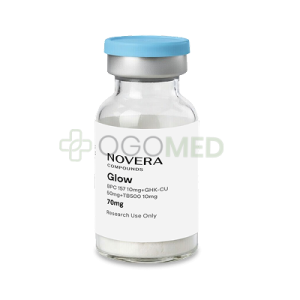
As for the procedure itself, in simple terms, a glow peptide stack is a combination of peptides used simultaneously to enhance recovery and healing, reduce inflammation, and maintain energy on a cellular level. It contains GHK-Cu, BPC-157, and TB-500. The treatment can be personalized to benefit patients and achieve their goals — that’s one of the reasons peptides have gained so much attention. Glow therapy is appealing to both aesthetic treatment and performance-oriented customers.
Each peptide has its own unique mechanism of action, but together they create a fascinating cocktail and work in synergy to achieve the best results and regenerative effect.
GHK-Cu is a natural compound typically found in human plasma, saliva, and urine. It improves skin firmness and elasticity, stimulates collagen production, and tissue repair. The peptide binds to copper and delivers it into tissues (that’s why some specialists call it copper peptide), as well as acts similarly to antioxidants and anti-inflammatory solutions. This way, patients may expect fewer wrinkles and reduced pigmentation, enhanced wound healing, better hair growth, and firmer, elastic skin.
Note: GHK-Cu may cause temporary skin flushing in some users. Inform them about possible adverse effects in advance.
BPC-157 is derived from the Body Protection Compound found in gastric juice. It accelerates healing in tendons and ligaments, promotes the formation of new blood vessels (also known as angiogenesis), enhances collagen production, and decreases inflammatory cytokines.
Note: BPC-157 may cause mild digestive disturbances when taken orally.
TB-500 is also known as a synthetic version of Thymosin Beta-4. It enhances cell migration and tissue repair, improves actin production, which is crucial for cell movement and structure, reduces fibrosis and scar tissue, and promotes impressive wound remodeling. That’s why patients who benefit most from this peptide are those in need of improved mobility and reduced joint stiffness; this is one of the main reasons TB-500 is widely used in orthopedics along with other peptides.
There is no established evidence-based recommended dosage for injectable glow peptide blends in humans. It varies by peptides and protocols used in certain clinics. A typical cycle lasts 4 weeks, followed by a rest period; daily injections are recommended for all dosing protocols.
Now, let’s talk numbers: conservative dosing starts at 1,165mcg daily for beginners; standard glow peptide dosing is 2,330mcg daily; intensive dosing can reach 4,660mcg daily for advanced users.
The first and one of the most important steps in the peptide protocols is the assessment. A thorough examination helps assess skin quality, elasticity, and texture; define the main areas of concern; and analyze existing signs of aging. Lifestyle factors are also significant, which is why aspects such as sun exposure, sleep quality, stress levels, and other crucial factors must be discussed.
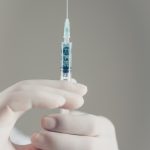
Afterward, a dosing strategy and peptide selection are defined based on the patient’s needs. Inject the blend slowly over 5-10 seconds to minimize discomfort. Subcutaneous injection provides steady absorption over 4-6 hours. Rotate injection sites to prevent lipodystrophy and irritation. We recommed administering peptides on an empty stomach for optimal absorption.
Users report smoother, younger-looking skin within 30 days. Injection site reactions are common but usually mild. Temporary fatigue may occur during the first few days, as well as mild headaches.
Glow peptides can be administered through several delivery methods, depending on the intended use and guidance from a healthcare professional. These may include subcutaneous or intramuscular injections, topical serums designed to support the skin’s surface, and oral supplement formulations.
Oral peptides generally have lower bioavailability because they are exposed to the digestive process. Injectable delivery bypasses the gastrointestinal tract, allowing the compounds to enter the body more directly and potentially improving absorption compared with oral options.
The glow blend of peptides possesses many benefits that make the procedure so popular among clients. Patients can use it for both cosmetic and healing goals; the key is to ensure the procedure is performed by a qualified professional experienced with such delicate structures. Here are the main benefits that can be expected after completing the course.
All three peptides exhibit potent anti-inflammatory effects, helping to reduce systemic inflammation, joint discomfort, and localized swelling. Peptides such as GHK-Cu help signal fibroblasts to produce collagen and elastin, which naturally decline with age; thus, we start noticing age-related imperfections more.
As collagen production naturally decreases with age, the skin may become thinner and lose elasticity. GHK-Cu and BPC-157 support collagen and elastin production, helping strengthen tissues and enhance skin elasticity, providing an improved skin texture and fewer visible signs of aging.
The combination of GHK-Cu, BPC-157, and TB-500 promotes angiogenesis, the ability to form new blood vessels. It accelerates tissue repair and boosts skin quality by boosting the delivery of nutrients and oxygen for tissue repair.
TB-500 may support flexibility and mobility by promoting connective tissue health and helping reduce fibrotic buildup in the muscle fascia.
Ideal for recovery after surgery, sports injuries, or orthopedic trauma, glow peptide blend therapy supports faster tissue repair, particularly in tendons, ligamnets, and muscles.
GLOW may appeal to a much wider audience than athletes and individuals recovering from surgery. Its combination of regenerative and restorative properties makes it relevant for people with a range of health and wellness goals.
Potential candidates may include athletes managing training-related injuries, patients recovering from orthopedic or cosmetic procedures, and middle-aged adults experiencing joint discomfort or reduced skin firmness. It may also be considered by individuals dealing with chronic inflammation, autoimmune-related concerns, digestive dysfunction, or increased intestinal permeability.
Those focused on healthy aging, skin rejuvenation, enhanced recovery, and performance optimization may also explore glow as part of a broader wellness strategy, as collagen production decreases starting in the late 20s. From supporting tissue repair to addressing age-related changes, glow peptide blends offers a versatile approach to recovery and regenerative health.
People should avoid peptide therapy if they are pregnant or breastfeeding. Individuals with active cancer or uncontrolled chronic illness should be cautious as well, as this procedure can be dangerous for them. Also, we recommend discussing prescribed medications, as those that interact with cellular growth pathways may worsen the procedure’s effects.
The protocols outlined above are provided for educational and informational purposes only. Dosage and treatment decisions should always be determined by a qualified physician based on individual needs. Peptides including BPC-157, TB-500, and GHK-Cu are not approved by the FDA for therapeutic use in humans and are intended for research purposes only. However, many people still use those for their personal benefit, as long as the procedure is conducted by a qualified medical professional to deliver beneficial results in terms of skin regeneration, wound healing, anti-aging, and other areas.
Response times vary depending on the individual, the peptide protocol, and the treatment goal. Some users report improvements in skin texture and recovery within 3–4 weeks, while regenerative processes such as collagen remodeling may take longer. Results are not guaranteed and should be evaluated by a qualified healthcare professional.
These peptides are sometimes combined in research and wellness protocols because they are believed to have complementary mechanisms of action. GHK-Cu is commonly associated with skin quality and collagen support, while BPC-157 and TB-500 are often discussed for their potential roles in tissue repair and recovery. However, this combination has not been approved by the FDA for therapeutic use, and its safety and effectiveness have not been established in large clinical trials.
Some individuals report mild side effects such as redness, swelling, bruising, or temporary discomfort at the injection site. Fatigue or mild headaches may also occur during the first few days of treatment. Because peptide therapy is not FDA-approved for therapeutic use, it should only be considered under the supervision of a qualified healthcare professional, who can evaluate potential risks and determine whether it is appropriate for the individual.