
Content
For something that usually lasts only a few minutes, an IUD appointment creates a surprising amount of anxiety. People imagine long procedures, dramatic pain, recovery days, or complicated preparation. In reality, the timing is often shorter than expected, though the emotional build-up can feel much longer. Some patients walk into the clinic, finish the appointment, and return to work before lunch. Others need more time, more reassurance, or a quieter afternoon afterward. That difference matters because no two bodies react exactly the same way.
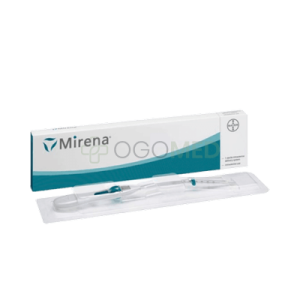
An IUD is a form of birth control placed inside the uterus to help prevent pregnancy for several years at a time. The name stands for intrauterine device, and despite how technical that sounds, the design is surprisingly small. Most models are shaped like a T-shaped device and fit inside the body without being visible from the outside.
There are two major categories: hormonal and copper. Both types are considered highly reliable and cost effective. Depending on the brand, protection can last anywhere from three to more than ten years. Many women choose this method because it requires very little daily attention after insertion. Healthcare providers often compare available models before recommending a device. Clinics that purchase birth control products may review manufacturer specifications, pricing, and IUD for sale options when selecting inventory for patient care.
A hormonal contraception option releases a low dose of progestin. This thickens cervical mucus and changes the uterine environment so sperm have difficulty reaching an egg. In some cases, it also reduces menstrual bleeding over time.
The copper version works differently. Copper naturally interferes with sperm movement and essentially blocks sperm before fertilization can happen. It contains no hormones, which some patients prefer because of personal health concerns or patient preference regarding medication exposure.
Before getting an IUD, most patients meet with an ob gyn or another trained healthcare provider. The discussion usually includes medical history, menstrual cycles, prior pregnancies, medications, and any previous pelvic infections. Someone who recently had pelvic inflammatory disease, for example, may need additional evaluation before proceeding.
The preparation itself is usually simple. Some clinics recommend eating beforehand, drinking water, or taking over-the-counter medicine to counter pain. Others may suggest arriving early to relax, especially for patients who are nervous or prone to dizziness during procedures.
Certain providers offer additional support options, including:
These options depend on the clinic and the expected level of discomfort. Some patients ask about general anesthesia, but this is uncommon for routine insertion because the procedure is typically brief. Timing also matters. Some providers prefer scheduling an IUD insertion near the end of the menstrual period because the cervix may be slightly more open. For someone who recently finished giving birth, insertion may feel different compared to someone who has never been pregnant.
The actual insertion process begins similarly to a standard gynecological visit. The patient lies on an exam table, and the provider performs a pelvic exam to evaluate the position and size of the uterus. After that, a speculum is placed into the vagina so the cervix can be seen clearly. The area is usually cleaned with an antiseptic solution to reduce infection risk. This stage can feel cold or awkward, though it is generally not painful.
The next step often surprises people because it sounds more dramatic than it really is. A thin instrument called a tenaculum may be used to gently stabilize the cervix during the IUD insertion procedure. The clinician may also assess the cervical canal and use a separate measuring instrument to determine the depth of the uterus, helping ensure proper placement of the device.
Then the intrauterine device is inserted through a narrow tube. Once inside, the arms of the device open into position. The provider trims the strings attached to the device so they remain inside the upper vagina for future checks and removal. The entire process usually moves quickly once it starts. Some patients say the most intense sensation lasts less than a minute.
The IUD insertion itself often takes between five and ten minutes. In some clinics, the active part is even shorter. However, the entire process from check-in to leaving the office is usually closer to thirty minutes to an hour. Several factors can make the appointment a bit longer.
Patients who still have questions about side effects, effectiveness, or future fertility may spend extra time discussing options beforehand. Some people also want to compare different types of IUDs before making a final decision. Taking a few extra minutes to review benefits and potential risks can help patients feel more confident and informed.
When the body is tense, the cervix can become harder to access comfortably. Providers sometimes pause to help patients breathe and minimize discomfort. In some cases, simple relaxation techniques can make the procedure smoother and easier. Patients who feel nervous may also appreciate additional reassurance and explanations throughout the appointment.
For someone who has never had an IUD inside before, the provider may work more slowly and carefully. They may spend extra time explaining each step before proceeding. This approach helps reduce uncertainty and allows the patient to know what sensations to expect during the process.
Using local anesthesia or waiting for medication to take effect can extend the visit by a few minutes. Some clinics also discuss different pain management options before the procedure begins. Depending on the chosen method, a short waiting period may be necessary to ensure the medication is working effectively.
In rare situations, IUD insertion becomes technically difficult and may take a bit longer than expected. Additional positioning adjustments or specialized instruments may occasionally be needed. Even then, most appointments remain relatively short compared to surgical procedures, and providers are trained to manage these situations safely and efficiently.
Some people report only pressure. Others describe intense menstrual cramps lasting a few seconds. A smaller group experience pain that feels sharp enough to make them pause or cry. IUD insertion pain depends on several things:
Someone with extensive experience performing insertions may complete the procedure more smoothly, which can reduce pain for the patient. The moment that usually causes the strongest sensation is when the intrauterine device passes through the cervix and enters the uterus. That cramping may feel painful, but it typically fades quickly. Potential pain afterward is often described as dull aching rather than sharp stabbing.
Once the device is in place, some patients sit quietly for a few minutes before standing up. Mild cramping is common, especially during the first few hours. Some people also notice light bleeding or spotting. Other short-term effects may include:
Most patients return to normal activities the same day, although some prefer to rest for a few hours at home. Exercise, work, and daily routines are usually possible unless symptoms become unusually intense.
Doctors often explain how to check the IUD strings after insertion. These thin threads help confirm that the device remains in position. They should not hang outside the body, though they can usually be felt internally with clean fingers. A follow up appointment may be scheduled several weeks later to confirm proper placement and discuss any ongoing symptoms.
The adjustment period depends partly on the type of device chosen. With a hormonal option, periods may become lighter or less frequent over time. Some patients experience irregular bleeding initially before cycles stabilize. With copper devices, menstrual cramps and heavy bleeding may temporarily increase during the first months. That side effect improves gradually for many users, though not everyone.
Possible temporary symptoms include:
Sexual intercourse is usually safe after insertion, though providers sometimes recommend waiting briefly depending on timing and infection risk. If pregnancy prevention is not immediate for a specific device type, a backup method may be necessary during the first days after placement.
Although complications are uncommon, patients should understand the small risk associated with any medical procedure. One concern is IUD expulsion, where the device partially or fully slips out of position. This is more likely during the first months after insertion.
Another rare complication is uterine perforation, which happens when the device passes through the wall of the uterus during insertion. This is uncommon but important to monitor for, especially if pain becomes extreme. Contact a provider immediately if symptoms include:
A provider may also recommend avoiding a menstrual cup immediately after IUD insertion because suction could theoretically affect positioning in certain cases. Even though online stories sometimes sound alarming, serious complications remain relatively rare overall.
Cramping and spotting can be normal after insertion, but certain symptoms deserve quick medical evaluation. Watch for:
These symptoms do not automatically mean something dangerous happened, but they should not be ignored either. Some patients experience pain during the first day and then feel completely fine afterward. Others need several days before the body adjusts fully. Recovery is not identical for everyone.
An IUD appointment is usually shorter than the anticipation leading up to it. The insertion itself often lasts only minutes, though the emotional experience can feel much larger because it involves vulnerability, uncertainty, and physical discomfort in a sensitive area of the body. Still, for many people, that brief appointment becomes years of reliable protection against unwanted pregnancies without daily maintenance. The fear surrounding insertion is real, but so is the relief many patients feel once it is over and life returns to normal almost immediately.
The active insertion typically takes only a few minutes, while the full appointment may last 30–60 minutes depending on individual circumstances and preparation.
Pain levels vary from person to person, but most patients describe temporary cramping or pressure rather than severe discomfort. Some providers recommend medication to help counter pain before the appointment.
Most healthcare providers recommend checking them periodically after the first few weeks. The strings are located inside the vagina and help confirm the device remains in place.
A healthcare provider verifies positioning during the appointment, often after a pelvic exam. In some cases, an ultrasound may be used if there are concerns about the location of the device in the uterus.
Many patients can continue using a menstrual cup, but it is important to follow medical advice and avoid disturbing the device during the initial healing period.
Although the upfront cost may seem higher than some alternatives, long-term use often makes it one of the most economical choices.
Yes, changes are possible depending on the type of device. Some users notice lighter periods, while others experience temporary changes in menstrual bleeding patterns.
Mild cramping is common during the first hours or days after insertion and usually improves without treatment.