
Content
When visiting a med spa for Botox, many clients wonder if tipping is expected. Unlike traditional spa visits, Botox is considered a medical treatment, which makes the rules less obvious. People often want to show appreciation for good results, but they also don’t want to break professional boundaries. Understanding tipping etiquette helps avoid awkward situations, especially during your first appointment. This guide explains how tipping culture works in the beauty industry, what most med spas allow, and what alternatives to tipping you can consider.
Botox falls into the category of medical procedures rather than traditional spa services. Even though med spa treatments may feel similar to spa services, the medical nature of botulinum changes the expectations around tips. In many cases, the cosmetic injector is one of the licensed medical professionals working in a medical setting. These providers can include nurse practitioners, registered nurses, physician assistant staff, or even doctors.
Because Botox is classified as one of the medical treatments, it is often performed in medical offices or spas that follow strict professional rules. This means tipping etiquette is different from what you might expect after relaxing facial sessions or other spa treatments.
For this reason, many clinics prefer not to accept tips for injections, even if they do for non medical services like massage therapists or chemical peels.
The person administering Botox can vary depending on the clinic. In many med spas, injections are done by trained medical aestheticians working under supervision, or by a nurse injector, dermatologist or aesthetic surgeon directly. The provider must always be qualified to perform medical procedures safely. Common professionals who may act as a Botox injector are:
Because these providers work in a medical setting, many clinics have strict med spa’s policies about tips. In fact, most med spas instruct staff not to expect tips for injections or dermal fillers, since they are treated the same way as other medical procedures.
However, the rules may be different when the service is closer to beauty treatments, such as laser therapy, body contouring, or relaxing facial sessions.
Policies vary, but many med spas do not require tips for Botox. Since the treatment is considered part of medical aesthetics, the cost usually reflects the provider’s skill and experience. In many medical spas, pricing already reflects the expertise of the provider, the quality of products used, and the fact that clinics must buy Botox from certified suppliers as part of standard aesthetics practice.
Situations where clinics may allow tips:
Still, there is no hard and fast rule. Some places allow tips, while others refuse them completely to maintain professional standards. If you are unsure, the best approach is to ask before paying.
A lot of clients want to know how much to tip, but there is no universal answer. General tipping guidelines suggest that Botox is optional when it comes to tips. Because of the medical nature of the treatment, clients choose whether they want to leave something extra.
A good rule is:
Some clinics even have written med spa’s policies stating that clients cannot tip medical professionals. This is common when the provider is a plastic surgeon or other licensed medical professionals working in medical offices. If tipping is allowed, clients leave a small gesture rather than a large percentage of the treatment cost.
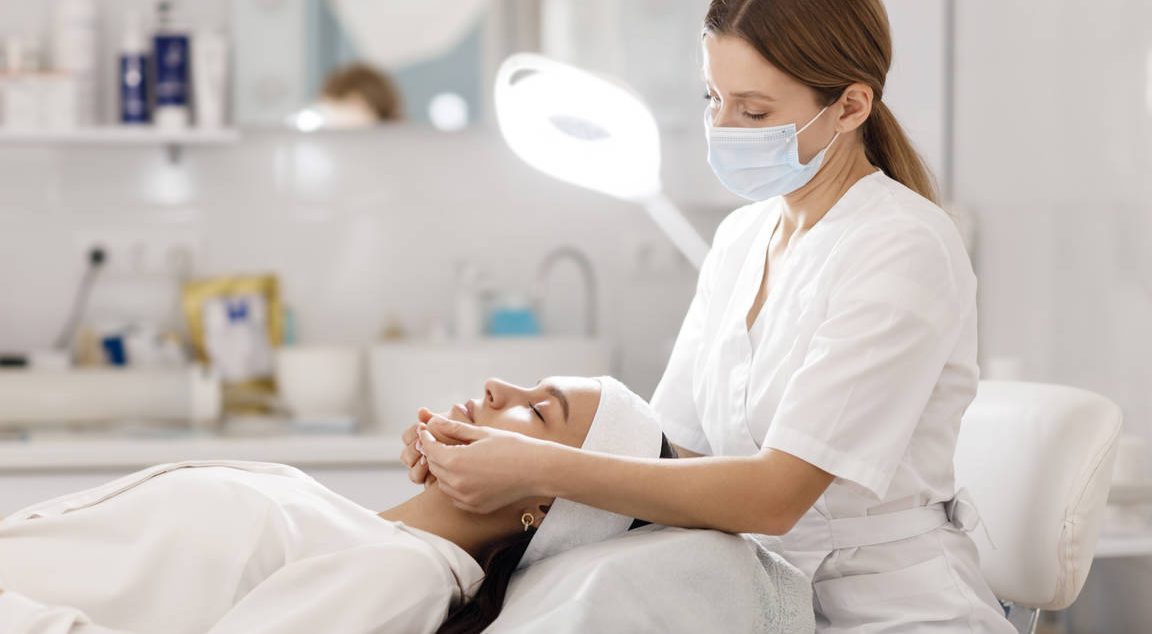
There are situations where tipping may feel more natural. If the visit includes spa-style services in addition to Botox, clients often follow regular rules. This is especially true in clinics that combine medical aesthetics with spa.
Tipping may be appropriate when:
In these cases, tips are treated the same as in traditional spas. However, for injections alone, clients do not tip because Botox falls into the category of medical procedures.
If you are not supposed to tip, there are other ways to show your gratitude. Many injectors prefer non-monetary ways to show appreciation, which help build their professional reputation in a medical setting. Showing appreciation can help build a good relationship with the clinic. Alternatives can include:
Many clients also bring small gifts or leave a kind gesture at the front desk instead of giving cash. This keeps the interaction professional while still showing appreciation. These alternatives are common in medical spas, especially when the provider is a nurse injector, physician assistant, or aesthetic surgeon.
If you are unsure about tipping, the safest option is to ask. Every clinic has different rules, and understanding them ahead of time avoids confusion. This is especially helpful for new clients who do not know the clinic’s policies.
Things to check before your first appointment:
Remember, you should never feel pressured to leave extra money after a treatment. In most medical spas, the price already includes the provider’s expertise and time.
Tipping for Botox is not required in most medical spas because the procedure is considered a medical treatment. While tips may be common for spa treatments, injections are usually performed by licensed medical professionals, which changes the expectations. If you want to show appreciation, a small gesture, kind words, or positive reviews are often better than cash. The best approach is to follow the clinic’s rules, respect professional standards, and choose what feels comfortable for you.
In most cases, tipping is not required, but some clients leave a small amount as a nice gesture if they are very satisfied with the results.
Yes, treatments done in a medical setting are usually handled differently, and tipping is often less common than in beauty or relaxation services at the same level.
Tipping an injector is usually optional, and many clinics say it is not necessary unless the service felt more like a cosmetic spa experience.
Such policies vary, so it is best to ask the reception before paying to avoid confusion about whether gratuity is allowed.
Most providers do not expect them after med services, especially when the procedure is considered medical rather than cosmetic.
There is no strict rule for how much to tip, but many clients choose a small amount instead of a percentage of the treatment price.
Tipping after dermal fillers is usually optional, and many people prefer to show appreciation through reviews or referrals instead of cash.