
Content
One of the procedures that is not commonly discussed in terms of Botox treatments is bunny lines injections. Small horizontal wrinkles on the nose bridge can extend lower, down to the cheeks, and become static wrinkles as we age. These lines appear naturally due to active facial movement and are most noticeable when we smile or squint. In order to prevent such an issue, specialists recommend preventative Botox, as correctly placed small amounts of the solution can smooth the area and provide a rejuvenated look for a long time. In this article, we will discuss bunny lines and how Botox may help control them.
Bunny lines are small horizontal wrinkles that occur around the nosebridge area when we squint our nose. This type of wrinkle is mainly common among people with rich facial expressions who have ’emotional faces’.
The likelihood of their occurrence depends largely on one’s facial structure, but factors such as sun exposure and smoking can accelerate their formation. Even though the treatment is optional, and some people consider bunny lines charming, others prefer their features smooth and flawless, and that’s where botulinum toxin injections can be rather useful.
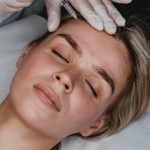
Botox injections work perfectly for individuals who want to smooth out bunny lines. A perfect patient would be someone of age (18 and older) with prominent vertical lines on their nose. Specialists typically apply a small amount of the solution on either side of the nose to spread it evenly and ensure Botox reaches the nerve endings of the targeted muscle (nasalis muscle).
Properly performed treatment ensures up to 4 months of flawless skin, and regular maintenance treatments can prolong the effect and keep patients satisfied with their features. Bunny lines treatment is often combined with other Botox procedures in the upper face, such as glabellar lines treatment, frown lines reduction, and others, because with small doses required for nose wrinkles, there’s plenty of product left for other areas.
It is true that the treatment for bunny lines is considered off-label in some settings. However, this procedure has been performed in safe clinical settings for a long time, so there is no risk if it’s performed by an educated professional. For the results to reach their full potential, the treatment protocol must be carefully planned, the dosage calculated, as well as pre- and post-treatment instructions carefully followed. The quality of the product also matters, which is why specialists must buy Botox from reputable suppliers to not compromise their clients’ safety.
Companies like OGOmed have years of experience behind their back, and thousands of satisfied customers around the USA are the best proof of proper qualification.
Treating bunny lines without addressing surrounding areas can cause compensatory wrinkles. In other words, patients may experience droopiness that only worsens bunny lines, so it’s recommended to perform this treatment alongside other rejuvenating Botox procedures.
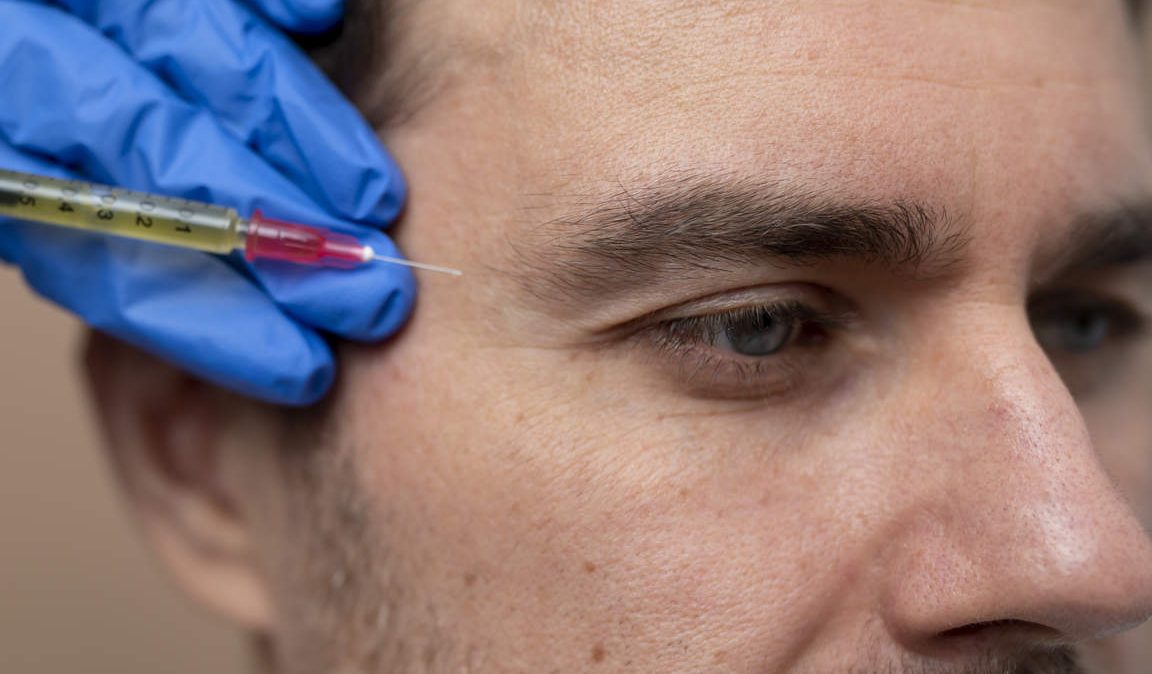
Calculating a correct dosage for procedures that include Botox is crucial because it helps maintain natural facial expression while eliminating bunny lines caused by active facial movement. Specialists must be educated in facial anatomy to count units properly and know where to administer Botox to achieve the desired results.
Effective treatment usually requires about eight units of Botox. The whole process takes no more than 15 minutes and can be easily scheduled during one’s lunch break, which is perfect for individuals with busy schedules. Patients rarely experience adverse effects, but it’s important to be aware of those regardless, so discuss possible risks beforehand and instruct them on what to do in case any complications occur after the session.
Note:
An accurate Botox calculation is crucial to the procedure’s success. Risks include an asymmetrical smile from incorrect Botox placement, a tired or angry appearance, and muscle numbness. One of Botox’s benefits, though, is that its effects eventually wear off: muscles regain mobility, and people can once again move their faces.
Botox’s timeline may vary based on patients’ metabolism and body characteristics; however, rough estimates can still be provided to help patients better understand the treatment. The first subtle changes are noticeable 7 days after the injection session; within two weeks, optimal results emerge, allowing people to enjoy their improved, youthful appearance.
As for the longevity, Botox effects typically last for 3-4 months before re-treatment. Regularly scheduled sessions are key to long-term results and high patient satisfaction.
The only thing that can resolve this issue is time. Muscles will eventually regain their mobility, and natural facial movement will become possible. Gentle massage may help to accelerate this process, but patience is essential to resolve the results of Botox overfill.
Most patients experience common adverse effects after the treatment: redness, swelling, bruising, increased skin sensitivity, etc. More severe, unwanted effects are rare, but still may occur, so tell your patients they must inform you about signs of allergic reaction, painful sensation in the treated area, ‘frozen’ facial expression, and others.
Generally, no. However, rarely do patients notice unwanted bunny lines after glabellar lines treatment. If too much solution is administered between the eyebrows, it may weaken the muscles and pull the eyebrows down, causing the nasalis muscle to overcompensate. It affects the results and develops bunny lines.
Muscle relaxants, such as Botox, are perfect for a variety of procedures in the upper face, including the following: preventing fine lines in the forehead area (frown lines), vertical wrinkles between the eyebrows (glabellar lines), mimic wrinkles in the outer eye corners (crow’s feet), horizontal lines caused by nose scrunching (bunny lines).
Botox must always be administered directly into facial muscles to block nerve signals and stop their contraction. In terms of bunny lines, the solution must be injected on both sides of the nasalis muscle, which is placed right above the nostrils and onto the bridge of the nose.