
Content
The trapezius has suddenly found itself in the spotlight. Once considered a quiet workhorse of the body, it now stands at the intersection of beauty trends and medical innovation. On one side, Barbie Botox is all over social media, promising slimmer shoulders and a longer-looking neck.
On the other, patients suffering from neck pain, shoulder pain, and upper back dysfunction are finding unexpected relief from injections once thought of only as a cosmetic indulgence. This dual identity makes Trapezius Botox a uniquely fascinating topic, because behind the glamour is a conversation about tension, muscle health, and modern living.
The trapezius muscle is a large muscle that spans from the base of the skull, across the shoulders, and down into the middle of the upper back. It is a trapezoid-shaped sheet of fibers that stabilizes, lifts, and rotates the shoulders while assisting with head and neck movements. Because it is a big, multifunctional structure, it’s also prone to overuse. Trapezius coordinates with surrounding muscles to maintain posture, support overhead movements, and keep the shoulder area balanced. When it is overworked, it becomes a hotspot for muscle tension and fatigue. The trapezius muscle is constantly activated by modern lifestyles — think of simply carrying daily stress in the shoulders. Over time, this creates postural issues and chronic tension, fueling the demand for solutions.
What begins as occasional stiffness can develop into persistent discomfort. Muscle tightness in the Trapezius can cause shoulder pain, limit range of motion, and even trigger tension headaches. In some cases, myofascial pain syndrome develops, where painful trigger points in the muscle refer pain into the head, neck, or arms. The cycle is simple:
When neighboring muscles can no longer compensate, imbalances take hold. This creates a cascade of discomfort not only in the Trapezius but also in the upper part and shoulders, which can disrupt sleep, concentration, and daily activities.
Here’s where Trapezius Botox enters the picture. Botox injections into the trapezius muscle block the release of acetylcholine, the chemical messenger responsible for activating contractions. By blocking nerve signals, the injected areas relax, resulting in less tension and more comfort. For patients, this can provide relief from chronic tightness and improve shoulder mobility. The cosmetic side, popularly known as Barbie Botox or Trap Tox injections, focuses on reshaping the silhouette. By reducing the bulk of the trapezius, the shoulders appear slimmer, the neck looks elongated, and the upper body takes on a more delicate line. For many, it is a non-invasive cosmetic procedure that aligns with desired results seen online. But beyond vanity, this approach is helping people with functional issues. By reducing muscle activity, the injections can minimize pain, ease shoulder tension, and allow better participation in physical therapy or exercises. 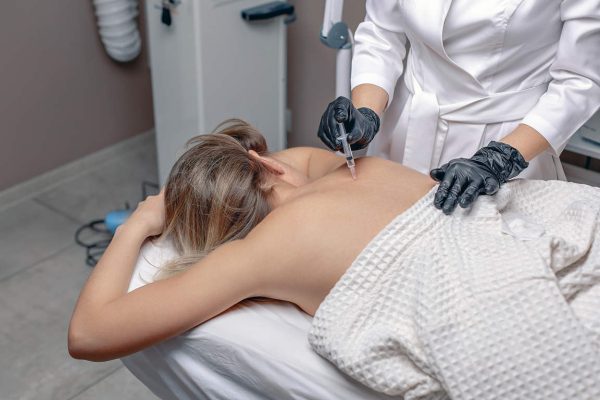
It’s important to note that trapezius Botox remains off label, meaning it isn’t FDA-approved specifically for this indication, even though botulinum toxin has been widely used in medicine for decades. Still, growing evidence supports its use for conditions related to chronic muscle tension. Dosage depends on muscle size, individual anatomy, and whether the goal is cosmetic, therapeutic, or both. Medical professionals typically personalize the treatment, adjusting how the drug is injected into each part of the Trapezius muscle. Botox in traps for neck pain is not about a single “magic number” but about careful assessment. Unlike trendy posts suggesting you can buy Botox online, only trained providers can determine the right dose and technique for safe, effective results.
While trapezius Botox can provide temporary relief, it doesn’t address the root causes. Injections wear off after a few months, which means repeated sessions are needed to maintain the effects. For cosmetic patients, this is often acceptable — it’s similar to how facial Botox must be refreshed regularly. But for people struggling with pain, it raises the question: is this a long term solution? Experts agree that to achieve lasting change, Trap Tox must be paired with lifestyle and rehabilitation strategies:
Like any medical intervention, Botox injections come with potential risks. Some patients may experience adverse effects such as unwanted weakness, difficulty lifting the arms, or asymmetry in the upper body. If the toxin diffuses beyond the intended area, unintended muscle function changes may occur. This is why treatment should only be done by a qualified medical professional who understands anatomy and dosing. Chasing a cosmetic trend without proper medical oversight can lead to complications far worse than visible trapezius bulk.
For sustainable results, injections like Botox should be combined with strategies that strengthen and balance the upper back. That means focusing not just on the trapezius, but on surrounding muscles that help stabilize posture. Some approaches include:
By pairing Trap Tox with these methods, patients can reduce pain, improve mobility, and avoid future problems with posture.
Trapezius Botox highlights the tension, literally and figuratively, between beauty and function. While Barbie Botox and cosmetic motivations often grab headlines, the therapeutic applications are equally significant. Trap Tox has the power to provide relief for those living with chronic discomfort, even though it remains off label. The trapezius is not simply a muscle to shrink, but a vital structure to rebalance. Botox injections can ease muscle tension and deliver desired results, but lasting change comes from addressing root causes through corrective strategies. Ultimately, the smartest approach blends modern medicine with proactive care — helping shoulders look better, feel stronger, and function in harmony.