
Content
Osteoarthritis is one of the most common causes of chronic discomfort and disability worldwide, particularly when it affects the knee. Knee osteoarthritis is a progressive condition that develops as cartilage gradually breaks down, leading to stiffness, inflammation, and reduced mobility. For many people, especially those living with knee osteoarthritis, daily activities such as walking, climbing stairs, or standing for long periods become increasingly difficult.
Among the many approaches to managing this condition, viscosupplementation has gained attention. This approach commonly involves hyaluronic acid–based therapies designed to restore lubrication and cushioning within the knee joint. Two frequently discussed options are Synvisc and traditional rooster comb injections. While both aim to support joint health, their composition, dosing schedules, and clinical profiles differ in important ways.
Knee osteoarthritis is a form of degenerative joint disease characterized by cartilage degradation, changes in bone structure, and inflammation of surrounding tissues. As cartilage wears away, friction increases in the knee joint, often resulting in pain, swelling, and limited motion.
In osteoarthritis of the knee, the loss of healthy cartilage affects the ability of the joint to absorb shock. This can lead to altered biomechanics, narrowing of the joint space, and increased stress on surrounding structures. Over time, these changes contribute to worsening symptoms in osteoarthritis patients.
Common symptoms include stiffness after rest, crepitus during movement, and progressive loss of function. For many patients with knee osteoarthritis, symptoms fluctuate but tend to worsen over the years without appropriate management.
Hyaluronic acid HA is a naturally occurring substance found in synovial fluid. It plays a key role in joint lubrication and shock absorption, acting as a lubricant and shock absorber during movement. In a healthy knee, this compound supports smooth joint movement and protects cartilage surfaces.
In osteoarthritis of the knee, the concentration and quality of hyaluronic acid decline. This reduction alters the joint matrix, leading to increased friction, inflammation, and pain. Replenishing this compound through injections has therefore become a focus of modern non-surgical care.
Hyaluronic acid treatments aim to restore the viscoelastic properties of synovial fluid. By improving lubrication, they may improve joint function and support mobility in people with knee osteoarthritis.
Traditional rooster comb injections are derived from animal sources. Specifically, they are derived from rooster combs, which naturally contain high concentrations of hyaluronic acid. Because of this origin, these products were among the earliest forms of viscosupplementation.
The hyaluronic acid used in these injections is extracted, purified, and formulated into a gel like substance suitable for medical use. This form of hyaluronic acid HA is introduced via an intra articular injection directly into the knee joint.
While effective for many, rooster comb injections may be associated with allergic reactions, particularly in individuals sensitive to avian proteins. This consideration is important when selecting therapy for osteoarthritis patients.
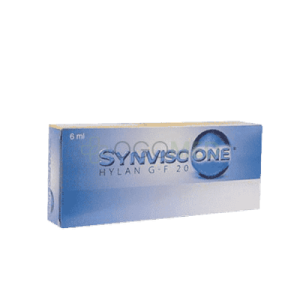
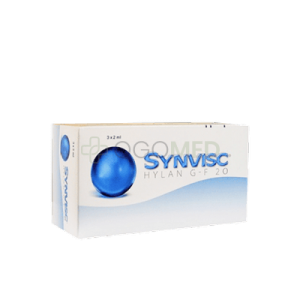
Synvisc is a branded viscosupplement that contains Hylan g f 20, a chemically modified form of hyaluronic acid. Unlike traditional rooster comb injections, this formulation is designed to have a higher molecular weight, which may influence its durability and mechanical performance in the knee joint.
The hyaluronic acid in Synvisc is engineered to mimic the properties of healthy synovial fluid. By increasing viscosity, it aims to enhance cushioning and reduce pain in individuals with symptomatic knee osteoarthritis. Synvisc injections are often discussed as a more advanced option within the category of hyaluronic acid injections, particularly for people seeking longer-lasting effects.
Although both approaches belong to the same general category of joint-support therapies, they differ in several practical and clinical aspects. Understanding these distinctions can help individuals and clinicians choose the option that best aligns with medical needs, lifestyle, and treatment goals.
Both approaches can play a valuable role in non-surgical joint care. The optimal choice depends on individual health factors, convenience preferences, and professional guidance. A personalized discussion with a qualified specialist ensures that treatment decisions are aligned with long-term comfort and mobility goals.
One of the most notable differences between Synvisc and traditional rooster comb injections lies in dosing schedules. Some Synvisc regimens are designed as a single injection, while many rooster comb–based products require three injections or even five weekly injections.
A single injection approach may appeal to most patients due to reduced clinic visits. However, others may respond better to three injections, especially those with moderate osteoarthritis.
The effectiveness of viscosupplementation has been evaluated through randomized controlled trials and large-scale clinical trials. These studies examine outcomes such as pain scores, function, and overall patient satisfaction.
Research suggests that hyaluronic acid–based therapies can provide long lasting pain relief for selected individuals. In some cases, patients report less pain and improved mobility for several months after treatment.
Clinical evidence supports the use of these injections as part of non surgical management, particularly when conservative treatment options have failed to provide adequate benefit. This makes them relevant for people aiming to delay or avoid knee replacement surgery.
Pain is the most common reason people seek care. In knee osteoarthritis, discomfort may range from mild aching to severe knee pain that interferes with sleep and daily activities. Viscosupplementation aims to achieve pain reduction and restore confidence in movement.
Some patients experience significant pain relief and improved endurance during walking. By improving lubrication, these therapies may also improve joint function, allowing greater participation in exercise and physical therapy programs.
In contrast to corticosteroid injections, which primarily target inflammation, hyaluronic acid injections focus on mechanical support and lubrication. This distinction influences how they are positioned among treatment options.
Safety profiles differ slightly between products. Because traditional rooster comb injections are animal-derived, there is a small risk of allergic reactions. Patients with known sensitivities should discuss alternatives with an orthopedic surgeon.
Synthetic or modified products such as those containing hylan g f 20 may reduce this risk. However, all intra articular procedures carry minor risks, including infection, fluid buildup, or transient swelling. Overall, viscosupplementation is considered safe when administered by trained professionals.
Ideal candidates include knee osteoarthritis patients who have persistent symptoms despite exercise, weight management, and physical therapy. These treatments are commonly recommended before considering knee replacement.
They may also benefit individuals experiencing osteoarthritis knee pain who are not ready for surgical intervention. For those approaching knee oa–related disability, viscosupplementation can act as a bridge therapy.
While injections can offer meaningful relief, they do not reverse structural damage. In advanced cases of osteoarthritis of the knee, surgery may eventually be required. Options include partial or total knee replacement, depending on disease severity.
For many, viscosupplementation helps delay knee replacement by months or even years. This delay can be valuable, especially for younger individuals or those managing comorbidities.
Viscosupplementation works best when combined with other treatments. These may include:
Such comprehensive care helps reduce pain and supports long-term joint health. Combining injections with lifestyle strategies can enhance clinical efficacy.
Different products follow specific treatment protocols based on formulation and molecular weight. Higher molecular weight formulations may persist longer in the joint, potentially improving durability.
Understanding these differences helps clinicians tailor care to individual needs, especially among osteoarthritis patients with varying symptom severity.
Beyond numeric outcome measures, everyday well-being plays a central role in evaluating therapeutic success. Many individuals describe a noticeable improvement in confidence during daily activities, greater ease of movement, and a stronger sense of independence following treatment. These subjective improvements often influence how people perceive the overall value of care.
Positive treatment experiences are closely connected to clear communication, appropriate expectations, and careful selection of candidates. When individuals understand what a procedure can realistically offer, they are more likely to view the results favorably and remain engaged in long-term management strategies.
Key factors that commonly contribute to a positive patient experience include:
Taken together, these elements highlight that successful outcomes are not defined solely by clinical measurements, but also by how people feel and function in their everyday lives.
Viscosupplementation is not a cure, but it plays a valuable role in treat osteoarthritis strategies. By supporting joint lubrication and comfort, it contributes to sustained activity levels. For individuals managing knee OA, informed decisions about injections, exercise, and future surgery are essential. When chosen thoughtfully, these therapies can meaningfully improve daily life.
Choosing between Synvisc and rooster comb injections involves understanding composition, dosing, safety, and goals of care. Both rely on hyaluronic acid, but differ in formulation and delivery. For people navigating knee osteoarthritis, these distinctions matter. Ultimately, collaboration with healthcare providers ensures that each patient receives personalized care aligned with symptoms, lifestyle, and long-term plans.
This substance is designed to enhance cushioning within the joint and may help reduce knee pain during everyday activities by improving mechanical support inside the joint.
These therapies aim to decrease stiffness and discomfort associated with joint pain, allowing individuals to move more comfortably and stay active longer.
Many patients experience benefits from hyaluronic acid injections, which are intended to restore lubrication and improve shock absorption within the joint environment.
In some cases, symptom-focused care can help manage knee arthritis effectively enough to postpone surgical intervention, especially when combined with lifestyle adjustments.
They are commonly used as part of a broader strategy for treating knee osteoarthritis, supporting mobility and daily function without immediate surgery.
Better movement quality often translates into increased confidence, easier participation in routine tasks, and improved independence over time.
Such studies help establish safety and effectiveness by comparing outcomes across large patient groups under controlled conditions.