
Content
Osteoarthritis is a condition that spoils one’s quality of life quite drastically. It limits movement, makes daily activities painful, and gets in the way of performing even the simplest tasks well. Of course, there are solutions that help, such as pills, creams, and physical therapy. But what if they don’t work?
Well, tell your patients good news: there are alternatives that are more effective and demonstrate excellent results. In this blog post, we would like to discuss Synvisc and its applications in the shoulder area. This informative piece will be helpful to both medical professionals and their clients, so read more and share it with those who may find it helpful. Without further ado, let’s begin!
Osteoarthritis (OA) is a degenerative joint condition that can affect several joints throughout the body. It develops when the protective cartilage covering the ends of bones gradually wears down, increasing friction within the joint and causing inflammation. When OA affects the shoulder, it may result in chronic pain, stiffness, and a reduced range of motion.
Shoulder osteoarthritis is characterized by the gradual deterioration of the articular cartilage within the joint. It most commonly affects adults aged 60 and older and occurs less frequently than osteoarthritis of the knee. Some factors may affect the occurrence of this issue, as well as cause its worsening: age, family history of OA, shoulder injury, and many others may increase the likelihood of experiencing osteoarthritis.
How to spot the condition early? Undergo regular medical examinations, be careful to prevent injuries, and schedule an appointment with your doctor in case you notice any warning symptoms.
Hyaluronic acid injections can reduce friction and stiffness in joints, which is why they are often prescribed to relieve unfortunate osteoarthritis symptoms. They mimic natural fluid between joints to minimize pain, acting like a lubricant and shock absorber.
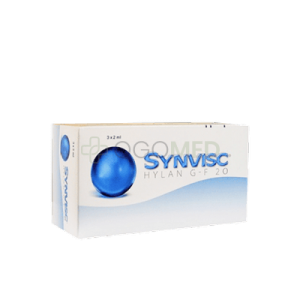
Synvisc is a viscosupplement made from hyaluronan. It’s a gel-like substance meant to be administered between the joints. The quality of the product is crucial to the therapy’s success, so you should order Synvisc only from trustworthy suppliers. Your patients’ safety and well-being always come first.
Although Synvisc is FDA-approved primarily to treat knee OA patients, it may also be used to treat other joints just as effectively. The natural substance included in the composition settles well in the target area, providing durable pain relief.
Viscosupplementation aims to improve lubrication and shock absorption in joints, which is why Synvisc is such a great option for the treatment. Below, we’ll list all the essentials you should discuss with patients before starting the therapy.
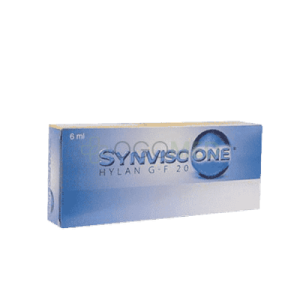
Synvisc may require multiple injections for optimal benefit. It typically involves a series of three injections, administered once a week over three weeks. A more recent variation of the product, Synvisc-One, requires only a single injection and may provide relief for several months. X-ray or ultrasound guidance can ensure accurate needle placement. The treatment is often combined with other procedures for more durable results, such as physical therapy, certain medications, and others.
Synvisc is typically prescribed to patients for osteoarthritis treatment in such areas as the knee, shoulder, hip, ankle, etc. It improves movement, eliminates pain, and significantly increases one’s quality of life. The treatment is not recommended to individuals who experience allergic reactions to the product’s components or if the target area for the procedure is damaged.
Patients should avoid strenuous activities for 48 hours post-injection and be cautious of possible adverse reactions to inform a specialist about those as soon as they are noticed. Even though such a scenario is unlikely, being careful is still welcomed.
Synvisc is a long-lasting treatment that may continue to provide benefits after the procedure. On average, patients may experience pain relief for up to six months. Regular follow-up treatments may help maintain these results. Treatment frequency should be discussed with a doctor, as some patients may require additional sessions to achieve or sustain their desired level of relief.
Research suggests that Synvisc injections may help reduce pain and improve shoulder mobility in some patients with osteoarthritis. Although individual results can vary, some patients choose Synvisc because it is designed to provide longer-lasting joint lubrication and symptom relief.
Why do specialists recommend Synvisc?
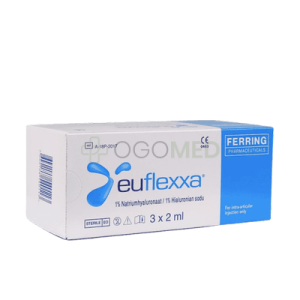
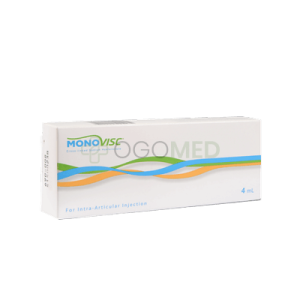
Synvisc injections are not the only available treatment option for shoulder pain relief. Other effective brands specialists choose include Monovisc, Durolane, Euflexxa, and others, which differ in composition but still provide long-term pain relief.
Yes, Synvisc is an excellent product to eliminate joint pain in various areas, such as shoulders, knees, hips, ankles, etc. Even though it’s only FDA-approved for knee osteoarthritis, medical professionals prescribe it for other procedures as well. The solution is meant to be injected directly between the joints to create a protective cushion that prevents them from rubbing excessively (which is typically the main cause of pain).
Synvisc is typically prescribed to individuals who experience pain while moving (walking, running, exercising, etc). When osteoarthritis or other types of arthritis are diagnosed, and more traditional solutions like physical therapy and pills don’t work, specialists must tailor a treatment plan to help patients participate in daily activities with maximum comfort and minimal pain. That’s where Synvisc usually gets involved.
Most patients who use Synvisc experience mild side effects that pass quickly. Common reactions include pain and swelling in the injection site, mild pain, and others that should disappear approximately 48 hours post-injection. Ice packs and over-the-counter pain relievers can manage discomfort. Serious side effects include infection or allergic reactions and must be reported to a healthcare provider as soon as possible.
Synvisc for symptomatic relief provides results that last from 3 to 6 months; after that time, maintenance treatment should be performed to continue pain relief. However, the timing is individual, as some individuals reported up to 12 months of efficacy, so the best strategy here is to observe patients’ personal reactions to the treatment.