
Content
Choosing a dermal filler today comes down to how it performs in real life — how it looks at rest, how it moves with the face, and how natural the result feels. That is why the debate around RHA and Juvéderm has become so relevant in aesthetic medicine. Which filler is right for you: both options are FDA-approved, widely used, and capable of delivering impressive outcomes, yet they approach facial rejuvenation in slightly different ways.
Understanding what sets these fillers apart requires more than a surface-level comparison. Their formulations, performance in dynamic facial areas, and ability to handle repetitive facial movements all influence the final result. Whether the goal is correcting smile lines, addressing volume loss, or achieving a more natural appearance, the right choice depends on multiple factors.
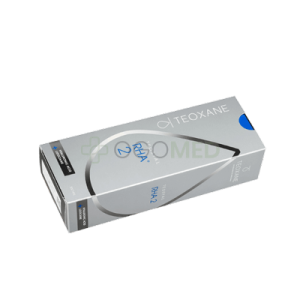
RHA stands for resilient hyaluronic acid, a technology designed to mimic the natural hyaluronic acid found in the skin more closely than many traditional options. These fillers are developed with fewer chemical modifications, which preserves flexibility and adaptability under movement. They perform especially well in areas where expressions constantly shift, such as around the mouth and eyes.
Unlike products that focus purely on structure, RHA fillers are engineered to respond naturally to facial motion. This is particularly relevant when treating moderate dynamic wrinkles that appear during smiling or talking. The ability to stretch and return to shape maintains natural movement, reducing the risk of stiffness or an artificial look.
Because of these qualities, RHA filler is often recommended for patients who prioritize flexibility and subtlety. It is also a strong option for early signs of aging, including moderate wrinkles and perioral lines that shift with movement.
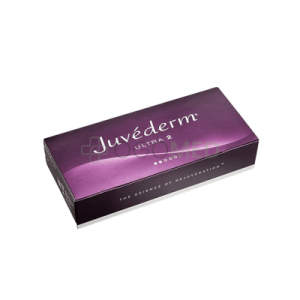
Juvéderm fillers are among the most widely recognized injectable treatments in the world. As one of the first hyaluronic acid fillers to gain global popularity, the brand has evolved into a comprehensive range of products tailored for different facial concerns. These fillers are known for their smooth gel consistency and strong volumizing effect.
Juvederm dermal filler is particularly effective when the goal is to restore volume or create definition. Products like Juvéderm Ultra XC and Juvederm Ultra are commonly used for lip treatments, while others target deeper structural concerns. The formulation is designed to hold shape, making it suitable for areas that require support rather than flexibility.
Juvederm is often chosen for patients with moderate to severe aging signs, especially when noticeable lift and volume restoration are the main goals. Its predictable performance has made it a staple among aesthetic practitioners worldwide.
When comparing these fillers, the differences become clearer through specific categories. Both options can deliver excellent outcomes, but their strengths lie in different areas.
RHA fillers are softer and more adaptable, which makes them ideal for treating static wrinkles that still move with expression. Their viscoelastic properties allow the gel to deform and recover with facial motion, helping it blend with surrounding tissue. Juvederm, by contrast, has a firmer consistency that works better for structural support and maintaining projection over time. This difference affects how each product looks both at rest and during animation, especially in highly expressive zones.
The choice often depends on where the filler is applied. RHA excels in areas requiring mobility, where constant micro-movements demand a product that won’t crease or migrate visually. Juvederm dermal filler performs well in regions needing volume and definition, where contour stability is more important than flexibility. Matching product behavior to regional anatomy reduces the risk of uneven transitions between treated areas.
Both dermal fillers offer long-lasting results, but their behavior over time differs slightly. RHA adapts more naturally as the face moves, maintaining a consistent look through daily expressions. Juvederm maintains structure more firmly, which supports sustained lift in areas prone to gravitational changes. The practical choice often comes down to whether the treatment prioritizes adaptability or structural persistence.
Choosing the right filler depends on individual goals and skin characteristics. Patients with active facial expressions or early signs of aging often benefit from RHA’s flexibility and integration. Those with more pronounced volume depletion or deeper folds typically require Juvederm’s supportive capacity. A careful assessment helps align expectations with product performance.
Wrinkles vary in depth, cause, and behavior, which directly affects dermal filler selection. Understanding this distinction determines which product will deliver better results.
RHA filler is particularly effective for areas where the skin moves frequently. It treats fine lines while maintaining elasticity, making it ideal for early intervention. Because of its flexible structure, it integrates smoothly into superficial layers without creating heaviness or disrupting skin texture. Subtle correction is achieved without altering natural expression patterns.
For moderate dynamic wrinkles, RHA filler remains a strong choice because it adapts to motion without breaking down quickly. This is especially relevant for patients concerned about natural expression. Its ability to move with the tissue reduces the risk of visible product buildup in areas of repeated motion. As a result, the correction looks consistent both at rest and during facial activity.
Juvederm dermal filler is better suited for deeper wrinkles and structural concerns. Its ability to restore volume makes it effective for wrinkles and folds that require lifting rather than just smoothing. The denser gel provides support beneath the skin, helping to reposition tissue and improve contour. This is particularly useful in cases where structural loss is the main contributorr to visible aging.
Lip treatments highlight one of the clearest differences between these dermal fillers. Both can be used for subtle lip enhancement, but the results vary in texture and appearance.
RHA filler is often chosen for patients who want lips that feel and move naturally. It is particularly useful for smoothing vertical lip lines and maintaining softness during speech and expression. The product adapts to constant lip motion without creating stiffness or uneven texture. It works well for patients who prioritize subtle integration and a natural tactile feel.
Juvederm products like Juvéderm Volbella XC are designed for precise shaping and hydration. They are commonly used when patients want fuller lips with more structure. The formulation allows for better contour control, which is important when defining borders or enhancing projection. It also provides more visible volume, making it suitable for those seeking a noticeable change rather than a minimal adjustment.
Dermal fillers do more than fill — they influence overall skin quality and aging patterns. Both RHA and Juvederm contribute to facial rejuvenation, but their mechanisms differ. Their impact extends beyond visible correction, affecting how the skin behaves over time and how well it maintains elasticity under daily stress.
RHA filler’s formulation supports elasticity and movement, which helps maintain a youthful appearance over time. It works well in areas affected by collagen loss, where flexibility is essential. Because it integrates more dynamically with tissue, it allows the skin to stretch and contract without creating visible tension or stiffness. It it particularly suitable for zones where hydration and adaptability must work together to preserve a natural look.
Juvederm focuses on rebuilding structure. It is particularly effective in enhancing facial contours and restoring lost volume in the cheeks and jawline. Its denser consistency allows for better projection and support, which is important when redefining facial shape. In addition, it maintains contour stability over time, ensuring that results remain consistent even as the face continues to move and age.
The market includes many options, but RHA and Juvederm stand out among other dermal fillers due to their advanced formulations. While other fillers may offer similar results, they often lack the specialized focus on movement or structure.
What distinguishes these two is not just branding, but how each behaves in real tissue under different conditions. RHA integrates more seamlessly in areas with constant motion, helping maintain continuity during speech and facial expressions. Juvederm is known for its exceptional, predictable lifting power and is widely recognized as a market leader.
Both represent different approaches to achieving natural beauty, allowing practitioners to select a product based on function rather than preference. This flexibility in choice makes it easier to align treatment with anatomical needs and patient expectations, leading to more predictable and controlled outcomes.
Selecting the filler fits best requires careful evaluation of facial structure, aging patterns, and personal goals. No single product works for everyone, which is why consultation is essential.
Each of these factors directly influences how a filler behaves after injection. For example, more advanced volume depletion often requires a product with stronger lifting capacity, while early-stage aging can be managed with softer, more adaptive gels. The distribution of fat pads, muscle activity, and skin thickness also play a role in determining placement depth and product selection.
A skilled injector will use advanced injection techniques to maximize results, adjusting both the amount and placement of filler with precision. The goal is always to create harmony between treated and untreated areas without overcorrection.
Both RHA and Juvéderm fillers are considered safe and well tolerated, especially when administered by experienced injectors. Common side effects of RHA and Juvéderm fillers typically fade within a few days and may include swelling and bruising at the injection site. The intensity depends on the area treated, injection depth, and individual skin sensitivity. In most cases, patients can return to normal activities shortly after the procedure without significant downtime. Both RHA and Juvéderm fillers can be reversed using hyaluronidase, providing patients with flexibility in their aesthetic decisions.
A personalized treatment plan ensures that each area of the face is treated appropriately, rather than applying a single product across all zones. Practitioners can match filler properties to the functional needs of each region, improving both longevity and visual integration. It also minimizes complications by respecting natural tissue behavior.
Some patients may benefit from combining both fillers to address different concerns simultaneously, especially when both movement and structure need correction. In such cases, layering techniques or multi-product strategies can provide a more refined and controlled outcome. This tailored method often delivers more consistent and natural-looking results over time.
Choosing between these fillers is not about deciding which is universally better, but which is more appropriate for a specific situation. RHA offers flexibility and natural integration with movement, making it ideal for expressive areas and early aging signs. Juvederm delivers structure and volume, making it the preferred option for deeper corrections and contouring.
Ultimately, the best results come from aligning the product with the patient’s goals and anatomy. When used correctly, both fillers can deliver refined, natural-looking outcomes that enhance rather than alter appearance. The decision should always be guided by expertise, ensuring that every treatment supports long-term aesthetic balance and confidence.
It is a flexible form of hyaluronic acid designed to adapt to facial movement, helping maintain natural expression while delivering smooth integration into the skin.
They differ mainly in flexibility and structure, as RHA adapts better to motion unlike traditional fillers, while Juvederm provides stronger support for volume and facial contour.
The choice depends on desired shape and volume, since fillers typically vary in density and flexibility, influencing the final look and feel.
RHA fillers can last between 9 to 15 months, depending on the specific product and area treated, while some Juvéderm formulations may last from 12 to 24 months due to their denser cross-linking.
Yes, certain formulations are designed for moderate to severe facial wrinkles, especially when volume depletion and structural support are key factors.
Modern techniques ensure natural outcomes, as advanced products are designed to move with facial movement rather than restrict it.
They are commonly used for smoothing wrinkles, enhancing lips, and correcting folds such as marionette lines.
No, treatments can also focus on lip enhancement through shape refinement, symmetry, and subtle facial contour improvement.
Most leading products are FDA-approved, ensuring they meet strict safety and quality standards when administered correctly.