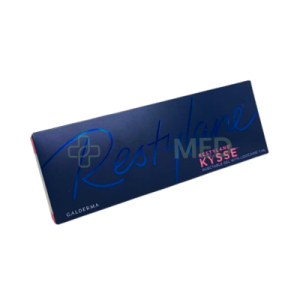

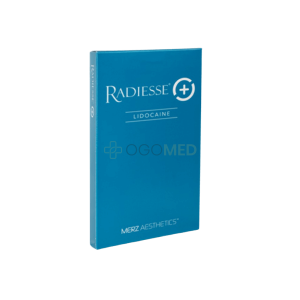
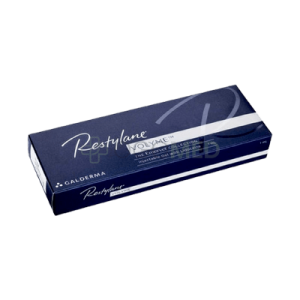
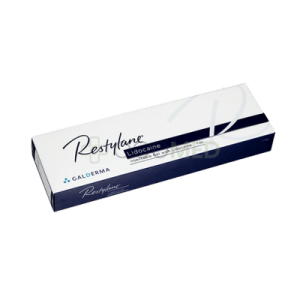





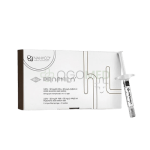


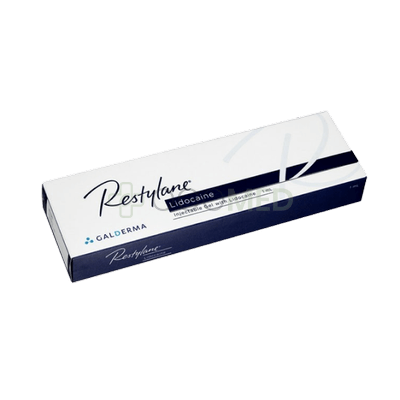
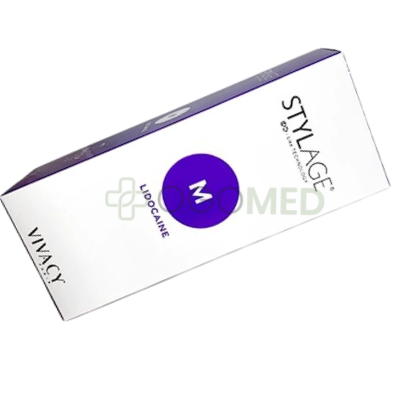
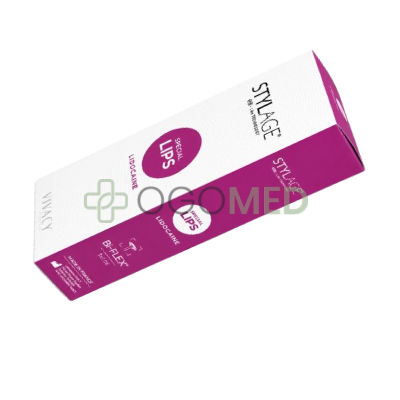
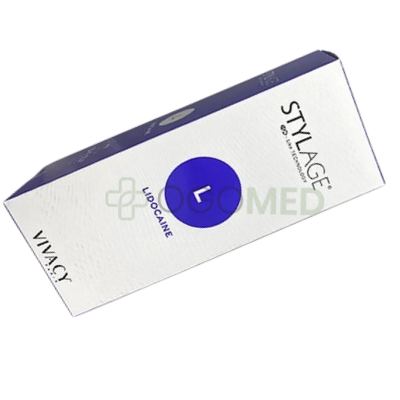
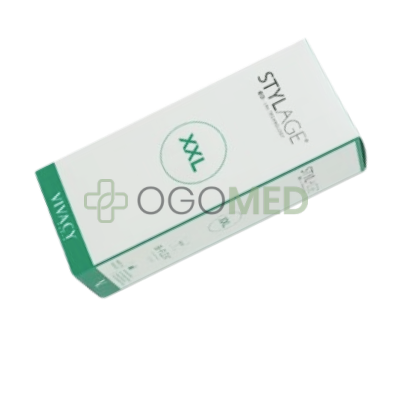
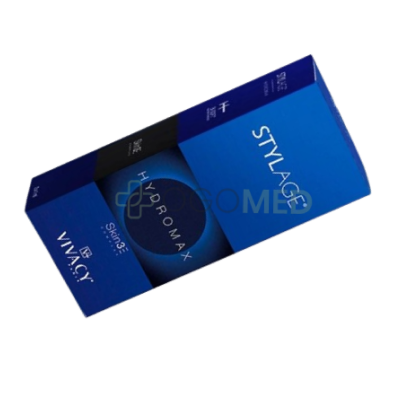
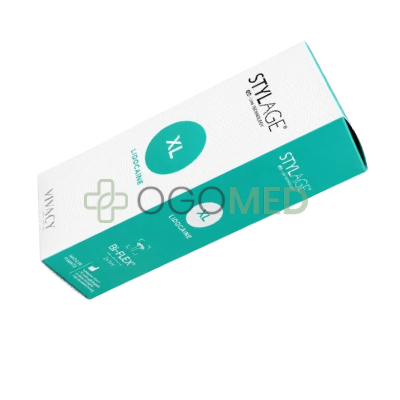
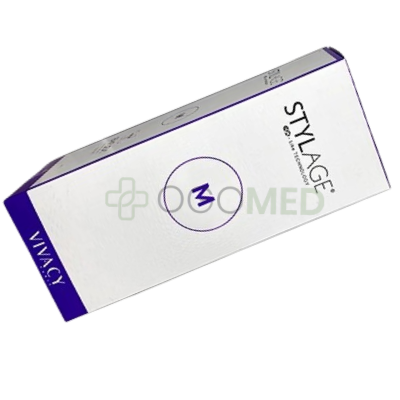
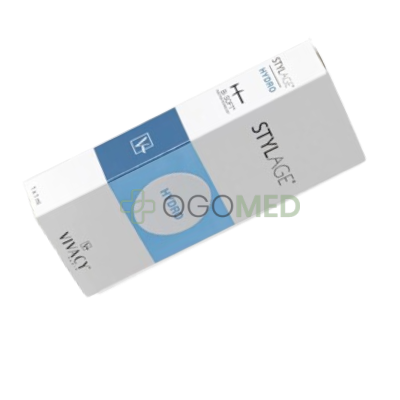
Restylane Lidocaine 1ml
In Stock
| Category: | Dermal Fillers |
| Tags: | Cheeks, cosmetic sphere, dermal fillers, Marionette lines, Nasolabial folds |
| Brand | Restylane |
Learn more...
Remicade 100mg is a prescription biological medicine supplied as a powder for intravenous infusion. Its active ingredient is infliximab, a chimeric human-mouse monoclonal antibody that blocks tumor necrosis factor, an inflammatory signaling protein. By reducing excessive TNF alpha activity, the medicine can limit inflammation in several chronic autoimmune disorders. A non-English pack may contain local-language labeling, so its carton and leaflet should be checked before use.
Characteristics of Remicade 100mg
Each vial contains 100 mg of infliximab and must be reconstituted and diluted before intravenous administration. Remicade is not a conventional generic version of a small-molecule drug. Infliximab biosimilars are separate biological products. Treatment requires medical supervision because the dose, infusion schedule, screening, and combination with other medications depend on the indication and clinical history.
Key characteristics include:
- one single-dose vial with 100 mg of lyophilized infliximab;
- intravenous use after reconstitution and dilution;
- prescription status and specialist supervision;
- weight-based dosage selected for the treated condition.
Approved Treatment Areas
Remicade is used to treat following conditions: several autoimmune disorders, including rheumatoid arthritis, Crohn’s disease, psoriatic arthritis, ankylosing spondylitis, ulcerative colitis, and chronic severe plaque psoriasis. Pediatric ulcerative colitis and pediatric Crohn’s disease are also included for certain age groups and disease severities. Regional labels may differ slightly in wording. European information, for example, addresses severely active ulcerative colitis in children when previous therapy has been inadequate.
Benefits in Rheumatoid Arthritis and Inflammatory Bowel Disease
Remicade targets a defined inflammatory pathway rather than acting as a general pain reliever. In rheumatoid arthritis it is used with methotrexate and may reduce symptoms, improve physical function, and slow structural joint damage. Improvement in joint pain comes from controlling disease activity. The same TNF-blocking mechanism is used in inflammatory bowel conditions and other immune-mediated disorders.
Potential treatment benefits can include:
- reduction of inflammatory activity in appropriately selected patients;
- better control of gastrointestinal or musculoskeletal symptoms;
- maintenance treatment after an initial clinical response;
- targeted biological action on TNF signaling.
How Does Remicade Work
To understand how Remicade work in the body, it helps to look at TNF biology. TNF is part of the immune system and contributes to normal defense, but excessive signaling can sustain damaging inflammation. Infliximab binds TNF and interferes with its activity, reducing inflammatory signaling in tissues.
Because TNF also helps the body fight infections, blocking it can increase susceptibility to some pathogens. Safety assessment therefore includes current infections, previous tuberculosis exposure, hepatitis B status, vaccination history, and drugs that may further suppress immune activity.
Starting Treatment: Screening and Preparation
Before starting treatment, a physician reviews the diagnosis, previous therapies, current drugs, vaccination status, and medical concerns. Screening commonly includes tuberculosis testing and assessment for hepatitis B. Blood tests may also be requested. Pregnancy, previous serious infections, heart failure, liver problems, or nervous system disorders should be discussed before the first infusion.
Before treatment, patients should:
- report fever, persistent coughing, or other signs of infection;
- mention recent or planned live vaccines;
- disclose all prescription products, supplements, and other medicines;
- seek medical assistance if significant new symptoms develop.
Infusion Process and Dosage
Remicade is typically administered in a hospital, physician’s office, or dedicated infusion center where appropriate medical monitoring is available. The intravenous infusion generally lasts at least 2 hours, although a shorter infusion may be considered for some patients who have previously tolerated treatment without significant reactions.
Remicade is administered into a vein by trained healthcare personnel, not self-injected at home. The exact dose and interval vary by condition. Standard regimens generally use weight-based induction followed by maintenance infusions. Monitoring continues during administration because infusion reactions can occur, and the rate may be adjusted if needed.
Infusion-related hypersensitivity reactions may occur during administration or within approximately two hours afterward, which is why appropriate medical supervision and medications for managing such reactions should be readily available.
Duration of Effect and Treatment Intervals
Remicade is usually used as maintenance therapy rather than as a single infusion. After induction, many labeled regimens use intervals of six or eight weeks, although timing differs by indication and response. In some cases, a specialist may adjust the regimen when response changes. Long interruptions in therapy may affect how subsequent infusions are tolerated, and restarting Remicade after a treatment-free period can be associated with a higher risk of infusion reactions.
The clinical effect is not identical for every patient, and loss of response can occur over time. Decisions to continue, modify, or stop therapy are based on disease activity, tolerability, laboratory findings, and the physician’s assessment rather than a fixed duration.
Side Effects and Safety Considerations
Commonly reported reactions include headache, nausea, respiratory infections, abdominal discomfort, and infusion-related symptoms. Some people may experience dizziness, fever, flu like symptoms, or reactions during or after infusion. Chest pain, numbness, marked weakness, or unusual neurological changes require prompt medical evaluation.
More serious side effects may involve:
- serious infections, including tuberculosis and opportunistic infections;
- changes in blood cells that may affect infection or bleeding risk;
- new or worsening heart failure;
- liver injury, hepatitis reactivation, or other liver problems;
- demyelinating nervous system disorders or a lupus like syndrome.
Remicade can have harmful effects in certain situations, so active severe infection and some cardiac conditions may make treatment unsuitable. New jaundice, breathing difficulty, severe rash, neurological symptoms, or persistent infection should be assessed without waiting for the next infusion.
Storage Conditions
Unopened Remicade vials are normally refrigerated at 2°C to 8°C. Under current U.S. labeling, an unopened vial may be kept at room temperature up to 25°C for one period of up to six months without exceeding the original expiry date. Once removed for this room-temperature period, it should not be returned to the refrigerator. Storage instructions can differ by market, so the leaflet supplied with a non-English pack remains important for that specific product.
After reconstitution and dilution, preparation and storage are handled by healthcare professionals using aseptic technique. The vial is preservative-free, so unused prepared medicine should not be retained for later personal use. If packaging, expiry information, or storage history raises concerns, consult a pharmacist or prescribing clinician before administration.
Where to Buy Remicade 100mg
Specialty pharmacies are typically used for sourcing Remicade due to its handling and administration requirements. Remicade is a prescription medicine and requires a valid prescription from a qualified healthcare provider, subject to local regulations. Insurance coverage for Remicade often requires prior authorization, which may involve a doctor submitting relevant medical records and treatment information.
OGOMed may be considered among the online sources where Remicade 100mg and other specialist medicines are listed. Product details, pack language, storage requirements, and availability should be reviewed individually, while treatment decisions and administration remain under the supervision of a qualified doctor or healthcare facility.
11 reviews for Restylane Lidocaine 1ml
You must be logged in to post a review.
| Category: | Dermal Fillers |
| Tags: | Cheeks, cosmetic sphere, dermal fillers, Marionette lines, Nasolabial folds |
| Brand | Restylane |
Learn more...
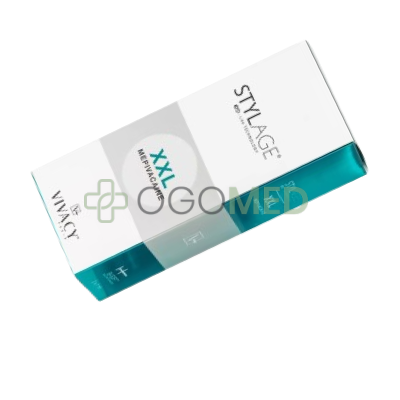
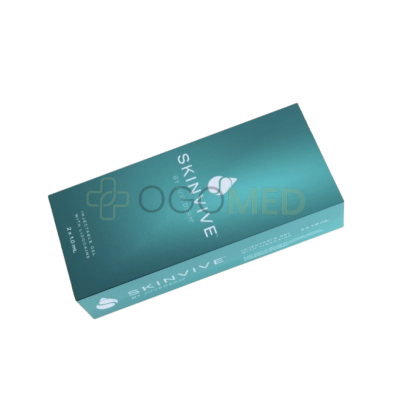
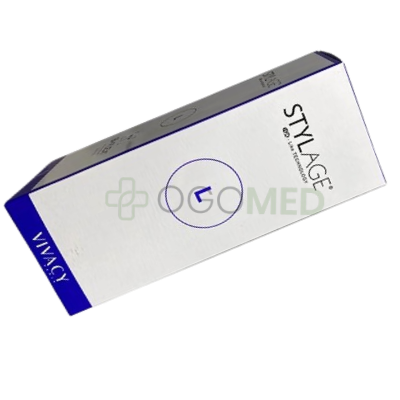
Simple shopping trips thanks to quick delivery and helpful support!
Secure Came cold.
Excellent outcome.
price good for bulk order
This basic version of Restylane is really worth its money (especially if I order it with the discount you currently offer).
great, safe to buy
The majority of my colleagues order Restylane dermal fillers online from third-party suppliers, mainly for the sake of a good price. So, I also decided to give it a try and found your website. I am very-very satisfied, thanks a lot!
4/5, it’s decent
I was scammed before so it’s natural i was nervous t order online again, however ogomed is a good company and I’ve already confirmed my second order
This is an awesome product! Love it so much!
A huge thank you to your customer support service! Very-very helpful!