
Content
Nexplanon and Mirena are long-acting hormonal birth control methods designed for people who want reliable contraception without remembering a daily pill. Both are highly effective at preventing pregnancy, but they work in different places: Nexplanon sits under the skin of the arm, while Mirena is placed inside the uterus. The choice is therefore not simply about effectiveness. Bleeding preferences, comfort with insertion, medical history, medications, and individual needs all matter.
Neither option protects against sexually transmitted infections, so condoms may still have an important role in sexual health. Both methods are reversible, and fertility can return after removal. A healthcare provider should review health history and relevant risk factors before either method is selected.
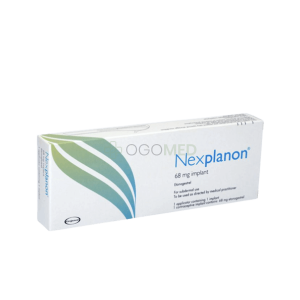
Nexplanon is a small, flexible etonogestrel implant placed just beneath the skin on the inner side of the non-dominant upper arm. It belongs to the group of subdermal implants and continuously releases a low dose of progestin. The active ingredient primarily suppresses ovulation and also thickens cervical mucus, making it more difficult for sperm to reach an egg.
Older materials often described Nexplanon as providing contraception for up to three years. That information is now outdated in the United States: in January 2026, the FDA extended the approved duration to up to five years after a study reported no pregnancies during years four and five. Nexplanon remains over 99% effective, with fewer than one pregnancy per 100 users during the first year.
Insertion is usually a short office procedure. After a local anesthetic is used, the implant is placed just below the skin of the inner upper arm using a dedicated applicator. Removal requires a tiny incision, and a trained professional can take the implant out at any point during its approved period.
Practical points around Nexplanon include:
Pregnancy can occur soon after removal, sometimes within the first week. The implant does not permanently alter fertility, and there is no need to wait out the hormone after removal before trying to conceive.
The most noticeable effect for many users is a change in bleeding. Irregular bleeding may mean spotting, longer periods, shorter periods, infrequent bleeding, or no bleeding at all, and the pattern can be difficult to predict before insertion. Changes in menstrual bleeding are also among the main reasons some users stop the method.
Other reported effects include:
Weight gain appears in Nexplanon safety information, but changes in body weight can have many causes and do not necessarily establish that the implant is responsible. Some people experience minimal side effects apart from a different bleeding pattern, while others decide that unpredictable periods are too disruptive.
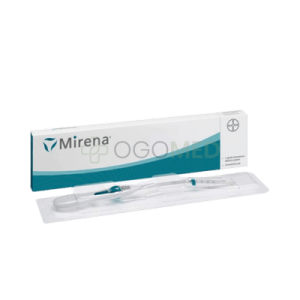
Mirena belongs to the group of intrauterine devices, or IUDs. It is a small T-shaped system placed inside the uterus and approved in the United States for contraception for up to eight years. Mirena USA is also approved to treat heavy menstrual bleeding for up to five years in people who choose an IUD for birth control.
Mirena slowly releases hormones locally, specifically the progestin levonorgestrel. It thickens cervical mucus, alters the uterine environment and thins the endometrial lining; ovulation may continue in many cycles. Its main contraceptive action occurs before fertilization, so describing it simply as preventing implantation of a fertilized egg does not accurately represent how hormonal IUDs primarily work.
IUD insertion is performed through the cervix into the uterus during an office visit. Some people experience cramping, pain, bleeding, or dizziness during and shortly after placement, although experiences vary considerably. If Mirena is inserted more than seven days after menstrual bleeding began, CDC guidance generally recommends seven days of abstinence or a barrier method unless other circumstances provide immediate contraceptive protection.
Removal is usually simpler than placement:
Unlike an arm implant, Mirena does not require a skin incision. On the other hand, placement involves a pelvic procedure, which may be a deciding factor for certain individuals.
Mirena can initially cause spotting and irregular bleeding, especially during the first three to six months. Over time, bleeding commonly becomes lighter and periods may become shorter or stop; this ability to lighten periods is one reason Mirena may be considered when heavy bleeding is a significant problem. Its role in treating heavy menstrual bleeding is an approved indication, not simply a secondary cosmetic benefit.
Reported side effects can include:
Serious complications are uncommon, but they can include expulsion, uterine perforation, or pelvic infection around the time of placement. If pregnancy occurs while an IUD is in place, prompt medical assessment is important because ectopic pregnancy must be considered, even though pregnancy itself is uncommon with Mirena.
Both Nexplanon and Mirena are among the most effective reversible contraceptive options available. Each is more than 99% effective, so the difference in real-world effectiveness is much smaller than the difference between either method and user-dependent options such as pills. Unlike a daily tablet, neither requires someone to remember contraception every morning or evening.
The practical distinctions are more noticeable:
They also have some similar side effects, including headache, breast symptoms, mood changes, and changes in the menstrual cycle. Neither method guarantees completely regular periods, and neither should be chosen solely because another person had a particular experience with it.
Comparison with intrauterine devices often comes down to location and bleeding preferences rather than a major difference in pregnancy prevention. A person uncomfortable with an IUD insertion may prefer a hormonal implant in the arm, while someone hoping for substantially lighter periods may find Mirena more aligned with that goal. The decision can also change if there is a history of difficult bleeding, pelvic conditions, previous insertion problems, or medicines that interact with systemic progestin.
Nexplanon relies strongly on suppression of ovulation. Mirena acts mainly within the uterus, where levonorgestrel thickens cervical mucus and changes the endometrium. Because the two methods deliver progestin differently, medical history and current medications should be reviewed rather than assuming that all hormonal contraception behaves identically.
 OB-GYN
11 products available
Explore our OB-GYN collection and browse available products.
View category
The total cost of either method involves more than the device itself. Placement, removal, clinical examination, follow-up, insurance network rules, and whether a particular brand is covered can all affect what a patient ultimately pays, so a single price would be misleading.
Marketplace plans must cover prescribed FDA-approved contraceptive methods and counseling without copayments or coinsurance when applicable requirements are met and care is received in network, although exceptions and plan-specific rules exist. Before choosing between these methods, it can be useful to confirm:
Coverage should be checked before placement rather than assuming that the device, procedure, and later removal will all be handled identically by insurance.
Nexplanon may appeal to someone who wants long-term contraception without a uterine procedure and is comfortable with the possibility of unpredictable bleeding. Mirena may be more attractive when the aim is both contraception and a reduction in heavy periods. Neither method is automatically better simply because it lasts longer or uses a different route of hormone delivery.
The most appropriate choice depends on individual needs, previous contraceptive experience, tolerance for bleeding changes, medical conditions, current medications, and plans for pregnancy. People with particular symptoms or risk factors should discuss them with a healthcare provider rather than selecting a method only by comparing duration or convenience. Both options are highly effective, reversible, and considerably less dependent on day-to-day adherence than pills.
Hormonal IUDs sit inside the uterus, while birth control implants are placed under the skin of the upper arm. Both methods use progestin but deliver it in different ways.
Both options have very high effectiveness and are among the most reliable reversible contraceptive methods available. The practical difference is usually the route of administration, bleeding pattern, and duration rather than a major gap in preventing pregnancy.
A copper IUD works without hormones, while Nexplanon is a hormonal implant and Mirena is a hormonal intrauterine system. The choice may depend on bleeding preferences, medical considerations, and tolerance for hormonal contraception.
Both Nexplanon and Mirena provide long acting contraception and do not require daily attention. The best fit depends on individual preferences, health history, and how the body responds to each method.
Yes. Mirena can reduce menstrual bleeding over time and is also approved for the treatment of heavy bleeding in certain users. Changes in bleeding are among the most noticeable side effects during the first months after insertion.
The risk profile differs from combined estrogen-containing contraceptives because both methods use progestin without estrogen. Anyone with a history of blood clots or other relevant conditions should still discuss personal risks with a healthcare provider before choosing a method.