
Content
The difference between a good cosmetic procedure before-and-after and an unconvincing one is usually subtle. Juvederm under eyes is not meant to erase every line or dramatically change the lower eyelid, but to gently soften hollow transitions so the face looks less tired or drawn. A well-planned hyaluronic acid filler treatment can reduce under eye hollows, soften dark shadows, and improve the flow between the eyelid and the cheek. Because the under eye area has very thin skin, even small differences in product choice, amount, depth, and placement can be noticeable.
An under eye filler adds volume: it does not remove every cause of darkness beneath the eyes. A shadow created by a depression may soften when that depression is filled, but brown pigmentation, visible vessels, or naturally translucent skin can remain. This distinction is important when discussing treating dark circles caused by anatomy versus dark circles produced primarily by pigment or vascular show-through. Filling the wrong problem can leave someone with essentially the same discoloration plus extra volume.
The same caution applies when someone wants filler to camouflage under eye bags. A carefully placed tear trough filler may sometimes reduce the contrast between a small protruding fat pad and the hollow underneath it, making the contour appear smoother. Significant excess fat, pronounced loose skin, or large eyelid bags are different situations, and adding more volume underneath them can make the whole area look heavier. In those cases, lower eyelid surgery or another approach may deserve a serious discussion instead of simply adding filler.
A good candidate usually has a structural depression that creates shadowing without a large amount of loose tissue or persistent fluid retention. The skin needs to be assessed in motion as well as at rest, because smiling can change how eyelid fullness looks. Careful patient selection is one of the less glamorous parts of aesthetic medicine, but it has an enormous effect on whether the before-and-after looks natural. Someone who needs structural cheek support, skin treatment, or surgery may not get the best treatment by concentrating exclusively on the trough.
There is no single checklist that guarantees a great result, but an experienced consultation tends to pay attention to several practical details:
This is where careful screening matters. The safest plan may occasionally be not to inject the trough at all, or to address another part of the face first rather than forcing filler into an area that is poorly suited to it.
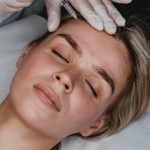
The actual treatment process is usually much less dramatic than the amount of planning that should happen beforehand. The face is examined, the target areas are marked if needed, the skin is cleaned, and a topical numbing cream may be used before injection. Depending on technique and anatomy, treatment may involve a needle, a cannula, or a combination, but precise placement matters more than the idea that one tool is automatically superior to another. The aim is controlled correction rather than simply filling every visible indentation.
When injecting Juvederm, the practitioner may work conservatively because the lower eyelid is not an area where overcorrection is easy to hide. The tear trough correction can involve surprisingly small volumes, and symmetry may be reassessed repeatedly during the appointment. Unlike filler used for smile lines or larger areas of facial volume loss, an under-eye product has to sit beneath delicate tissue without creating an obvious shelf or lump. The most convincing result often comes from stopping before the area looks completely flat.
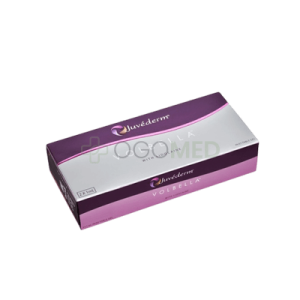
Juvéderm Volbella XC is specifically FDA-approved for improving infraorbital hollowing in adults over 21. The FDA expanded its approved use to the under-eye area in 2021, and describes it as a cross-linked hyaluronic acid gel used to temporarily add volume to infraorbital hollows. This distinction matters because the Juvéderm family contains several products intended for different parts of the face. A Juvederm filler that is appropriate for one area is not automatically the right choice under the eyes.
For medical practices that buy Juvederm for injectable treatments, product selection should be based on the approved indication, facial anatomy, and the characteristics of the specific formulation rather than using one filler interchangeably across different facial areas.
Product discussions can become unnecessarily technical. You may hear people focus on gel firmness, water attraction, cross-linking, or lower HA molecular weights, yet none of those phrases alone tells you whether a product is appropriate for a particular face. What matters visually is smooth integration with the surrounding tissue, along with an amount and injection plane suited to the anatomy. Juvéderm’s official information lists Volbella XC for under-eye hollows, while other products in the collection have separate approved uses such as lips, cheeks, jawline, temples, or facial folds.
The first mirror check can be satisfying and misleading at the same time. The depression may already look shallower, but injection itself can create temporary fullness, redness, tenderness, or mild swelling. One side may look slightly different from the other simply because it reacted more to the injections. That is why an immediate result is useful for documenting the appointment but usually should not be treated as the final one.
The first evening often looks different again. The under-eye contour may appear smoother, yet the surrounding tissue can become puffier as the hours pass, particularly in a region where even small changes in volume are obvious. Commonly reported reactions to Juvéderm injections include swelling, redness, pain, tenderness, firmness, bruising, discoloration, itching, and lumps or bumps. The official safety information notes that most injection-related effects resolve within 30 days. During the early stage, a normal-looking progression may include:
This is one reason the promise of minimal downtime needs context. Many people continue ordinary daily activities quickly, but “downtime” and “looking completely photo-ready” are not necessarily the same thing.
 Dermal Fillers
155 products available
Explore our Dermal Fillers collection and browse available products.
View category
Dermal Fillers
155 products available
Explore our Dermal Fillers collection and browse available products.
View category
For some people, the morning after treatment looks puffier than the moment they left the clinic. That can be unsettling if the immediate image looked smooth, particularly because the eyelid gives swelling nowhere to hide. The filler itself has not suddenly doubled in size, local tissue response can temporarily change the contour around it. A bruise can also make the hollow look darker even while the structural depression has already improved.
This is not the ideal stage for deciding whether the treatment worked. Many patients start scrutinizing tiny asymmetries, examining the area from several angles, and pressing on the skin to see whether they can feel the filler. Constant manipulation is not a useful test, and post-treatment instructions from the treating clinician should take priority. More importantly, unusual pain, whitening of the skin, or visual symptoms require immediate medical attention because accidental injection into a blood vessel, although uncommon, can cause serious complications including vision problems and blindness.
By this point, the dramatic phase often begins to recede. Bruises may still be visible, particularly in people who bruise easily, but the shape becomes easier to judge as swelling settles. The goal is not a completely featureless eyelid: small natural transition usually looks more believable than an aggressively filled one. When the balance is right, tired looking eyes may start to give way to a softer, more rested appearance.
This is also when texture becomes easier to evaluate. A subtle ridge noticed on day two may disappear as the surrounding swelling changes, while an area that remains unusually puffy deserves to be monitored rather than automatically “fixed” at home. Some patients report noticing the biggest difference not when staring directly at the trough, but when seeing themselves in normal indoor lighting or on a video call. The eyes may simply look less shadowed and the face a little more open, without anyone being able to identify a specific procedure.
Two weeks is often a much more sensible point for assessing the visible direction of the result. The initial injection reaction has usually become less relevant, and photographs taken in the same lighting can reveal whether the under eye hollows actually look softer. This is where a successful correction tends to create a refreshed appearance rather than an obviously filled lower eyelid. The face may appear better rested while still looking recognizably the same.
A careful comparison at this stage should focus on contour rather than perfection. Is the hollow shallower, is the cheek-to-eyelid transition smoother, and are dark shadows reduced when lighting is kept constant? Most patients are not trying to create a dramatically different eye shape: they want the face to stop looking exhausted when they are not tired. That difference is subtle, and it is usually more believable than chasing a completely flat surface.
By several weeks after the appointment, the result can generally be judged with far less interference from early swelling or bruising. If a small asymmetry remains, this is the sort of stage at which the injector can decide whether it reflects anatomy, product distribution, or simply a natural difference between the two sides of the face. The complete treatment may therefore include assessment rather than a single injection appointment followed by no further contact. A conservative first session plus review can be preferable to putting in too much product at the start.
In clinical evaluation, 90% of patients reported satisfaction with their results one year after treatment. This is also a good point to compare expectations with reality. A successful result may mean softer hollows and a more youthful appearance, but it will not necessarily remove every fine line, erase pigment, tighten lax skin, or change large fat pads. Filler adds contour support. It is not primarily a treatment for correcting lines etched into the skin surface. If those lines were the main concern from the beginning, another category of treatment may make more sense.
One of the better-known cosmetic problems in the lower eyelid is an unwanted blue tint, sometimes discussed in relation to the Tyndall effect when hyaluronic acid sits too superficially beneath thin tissue. The lower eyelid is particularly unforgiving because thin skin can reveal contour and color differences that would be much less obvious elsewhere on the face. Persistent puffiness is another reason conservative treatment matters: an area that already tends to retain fluid may not react aesthetically the way a naturally hollow, dry-looking trough does. These are questions to discuss with the treating professional rather than assuming that more filler will correct the first filler.
There are also situations that should not be treated as ordinary post-injection swelling. Changes in vision, unusual or severe pain, white or dusky skin, sudden neurological symptoms, or other alarming changes need urgent medical attention. Because unintended intravascular injection can cause rare but serious complications, injectors should be appropriately trained to recognize vascular anatomy, reduce these risks, and respond quickly if a complication occurs. The warning signs worth knowing before the appointment include:
A clinic providing this type of under eye treatment should explain complications before injecting, not introduce them only if something goes wrong.
Not every under-eye concern is fundamentally a volume problem. Laser treatments may be discussed when texture or pigmentation is a larger part of the complaint, while laser skin resurfacing may be considered for certain surface changes and fine lines. Surgery may be a better conversation when there is substantial laxity or protruding fat, and skin-focused procedures can sometimes matter more than adding volume. The right answer may also be a combination rather than choosing one cosmetic treatment for everything.
Matching the treatment to the visible problem is more useful than matching the problem to a fashionable procedure:
This is why other dermal filler injections elsewhere in the face can sometimes be part of the conversation too. If the midface lacks support, treating the cheek can change how the lower eyelid transitions into the rest of the face, so the trough should not always be viewed as an isolated groove.
A follow-up is not only an opportunity to request a little more. It is a chance to compare the pre-treatment face with the settled result, inspect the area in several expressions, and decide whether additional volume would improve the contour or push it too far. If the original plan was conservative, a small second-stage correction may sometimes be considered, but restraint remains important in an area where excess volume can be difficult to disguise. The practitioner should also look at the entire facial anatomy rather than judging the trough in isolation.
Useful questions for those appointments are practical rather than theoretical:
That last possibility is easy to overlook. In a good aesthetic plan, stopping is also a decision: not every remaining line, shadow, or natural contour needs to be corrected.
Results can vary, but most patients can expect improvement in the tear trough area to remain visible for several months. Typically, Juvederm under eyes lasts 9 to 12 months.
Yes, dermal fillers may soften deep tear troughs, especially when hollowing is related to age related volume loss, although pronounced bags or loose skin may require another approach.
A Juvederm filler can be appropriate in selected cases, but skin thickness is an important factor because very thin tissue can make swelling, irregularities, or product visibility easier to notice.
In aesthetic medicine, the under-eye region requires precise assessment and conservative placement due to its delicate anatomy. Patients often return for touch-ups once a year to allow the injector to evaluate how the filler has settled before considering any additional correction.
Juvéderm Volbella can soften under-eye hollowing and shadows, which may create a more rested and youthful appearance without dramatically changing the natural shape of the eyes. Juvederm Volbella can last 18 to 24 months for under-eye treatment.