
Content
Achieving beautifully balanced results with lip fillers can feel transformative — until a lump, asymmetry, or migration appears. When that happens, patients often want clarity about how hyaluronidase works, what dosage matters, and how professionals safely reverse filler in a controlled, predictable way.
Hyaluronic acid–based products like dermal fillers integrate into the extracellular matrix, attracting water and adding structure. When a provider needs to dissolve hyaluronic acid filler, the solution relies on a naturally occurring enzyme capable of cleaving hyaluronic acid HA molecules. In practice, this means that both lip fillers and other facial fillers can be reversed when issues arise.
The key agent behind reversal is the hyaluronidase, available in various forms including ovine testicular hyaluronidase, newer lab-engineered options such as recombinant human hyaluronidase, and highly purified aesthetic-grade preparations used in modern cosmetic dermatology.
A patient may need to dissolve lip filler after migration, nodules, or an uneven filler injected too superficially. More urgent cases include vascular occlusion, which requires immediate action to restore blood flow. In rare cases, allergic reactions or delayed filler complications also make reversal necessary. The goal is always to target the superficially placed fillers or deep product precisely without affecting untreated tissue.
Not all fillers are created equal. Some hyaluronic acid fillers are firmer, more cross-linked, or categorized as monophasic fillers, which influences how readily they break down. Even among certain fillers from the same brand family, responsiveness varies. Some products require more dermal filler volume originally, which means they may require proportionally more dissolving agent later.
Before injecting hyaluronidase, providers evaluate texture, migration pattern, and depth. A proper assessment includes:
The strength and quantity of units of hyaluronidase vary depending on the goal:
Using a cautious, layered method ensures precise correction without unnecessary breakdown of surrounding tissue. Proper injection technique keeps the process controlled and helps to minimize discomfort, reducing the risk of over-dissolving.
Prior to treatment, most patients undergo a skin test to rule out sensitivities, and many clinicians apply numbing cream for added comfort. When ready, the provider begins injecting hyaluronidase into the targeted areas, allowing the enzyme to diffuse gradually and dismantle the gel matrix in a predictable, anatomically guided way.
The use of hyaluronidase has become standard because it allows practitioners to correct outcomes without needing to wait months for natural degradation. Whether addressing misplaced lip fillers or the need to dissolve hyaluronic acid filler after contour distortion, the process remains predictable when handled by an experienced clinician.
A typical session involving hyaluronidase injections unfolds methodically:
Providers note that cross-linked gels tend to resist breakdown more strongly, so staged treatments are common. However, even these structured HA fillers respond well when treated progressively.
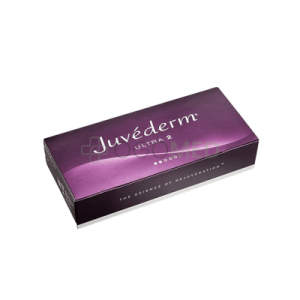
Juvederm’s gel structure, also hyaluronic acid based, interacts predictably with dissolving agents. When practitioners apply filler with hyaluronidase, the enzyme works through the same biochemical pathways regardless of product thickness. Highly cross-linked variants may require slightly higher amounts, but effectiveness remains consistent.
A few important reminders for patients include:
Aesthetic trends shift, and many individuals want a clean slate — either to reduce fullness or prepare for a more refined future treatment. When someone chooses to dissolve lip filler, expectations matter. Some patients want immediate removal, others simply want softening so future shaping looks more balanced.
Interestingly, some individuals come in believing that dissolving will remove every trace instantly. But because Juvederm binds within tissues, breakdown can continue subtly for 24–72 hours. The process is predictable, but not instantaneous. This is where realistic communication becomes essential for anyone seeking to dissolve lip filler effectively and safely.
Not all providers approach reversal with equal experience. Working with someone well-trained in cosmetic dermatology ensures safer outcomes — especially when the stakes include preventing or managing vascular occlusion. Professionals also understand when dissolve protocols should be staged, how to handle cross-linked products, and when dissolving is not advisable. Also, picking high-quality products such as Juvederm from trusted shop ensures not only better aesthetic results but also minimizes the risks associated with poorly manufactured fillers.
Hyaluronidase gives patients and practitioners a powerful, flexible tool for refining aesthetic results — whether the goal is to adjust HA fillers, correct asymmetries, or respond to urgent complications. With thoughtful dosing, careful assessment, and expert supervision, the decision to dissolve lip filler or reshape previous work becomes not a setback, but a step toward more confident, customized outcomes.
The amount varies by product density and depth, but providers calculate dosage so that hyaluronidase breaks the targeted gel without affecting surrounding tissue.
Clinicians inject controlled amounts of the agent, allowing it to interact with hyaluronic acid molecules until the desired correction is reached.
Yes, professionals can selectively adjust or remove areas of treatment, including lip fillers, while preserving natural contours.
Absolutely. Practitioners often soften or adjust specific areas to dissolve lip filler only where necessary, keeping the overall shape balanced.
When applied correctly, the enzyme gradually softens and breaks down the targeted gel structure, allowing the practitioner to restore smoother contours and a more balanced aesthetic outcome.
Not necessarily. Some patients prefer a completely natural look after correction, while others choose to add more HA filler later to achieve a refined, intentional shape under expert guidance.