
Content
Have you ever looked in the mirror and thought a filler looked different than it did just months ago? Or maybe you’ve heard stories: some dramatic, some subtle about fillers fading, shifting, or being erased altogether. Juvederm, one of the most popular hyaluronic acid-based fillers, invites both admiration and questions. Can it fade on its own, or do you need to take action? And if so, how does the process work, and is it really safe? Let’s unpack the truth behind what happens to Juvederm once it’s under your skin.
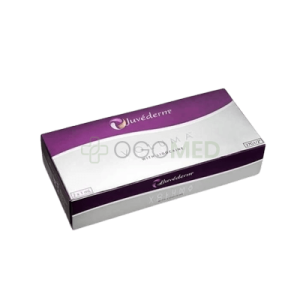
Juvederm is a family of smooth, cross‑linked gels used to add volume, smooth folds, and sculpt contour in the face and sometimes hands. Its active component is hyaluronic acid, a sugar molecule that binds water and occurs naturally in skin, joints, and connective tissue. Because hyaluronic acid is biocompatible and reversible, Juvederm products have become among the most widely used dermal fillers worldwide. The gel flows easily yet holds shape thanks to cross‑linking technology, allowing fine adjustment for symmetry or definition — including subtle shaping for fuller lips when artistry and anatomy align. With age, the skin’s store of natural hyaluronic acid declines, we also experience lost hyaluronic acid through daily turnover and environmental stressors. An injected filler like Juvederm temporarily replaces some of that lost hyaluronic acid, supporting tissue from within. In effect, treatment supplements what the body’s natural hyaluronic acid can no longer provide in adequate amounts. Because Juvederm is a hyaluronic acid gel, it integrates with surrounding tissue rather than remaining a hard lump when placed correctly. You will occasionally see Juvederm described within the broader category of hyaluronic acid fillers (HA fillers). These products fall under the umbrella of injectable aesthetic tools collectively called injectable treatments that deliver targeted volume through a cannula or needle in the office setting.
The short answer: yes, Juvederm gradually degrades. Cross‑linking slows natural enzymatic breakdown, but your body still turns over hyaluronic acid through normal metabolism. Internal enzymes slowly cleave the chains: hydration shifts and mechanical motion (smiling, eating, speaking) accelerate change in mobile zones like the lips. Denser products in deep planes last longer, softer products in high‑movement areas fade faster. Satellite factors — immune activity, UV exposure, and genetics — also influence longevity. Because the question comes up so often — does Juvederm dissolve — it helps to distinguish time‑dependent fading from active reversal. If you can wait, a proportion of product will resorb. But if you dislike the look, or safety is in question, you and your provider can take action sooner.
To dissolve fillers means medically accelerating the breakdown of a previously placed HA product using a reversing agent. Providers may advise you to dissolve fillers when an outcome is suboptimal, when product has collected in an unintended pocket, or when vascular safety is a concern. Elective reversals are also common before a major life event (wedding, photography) if refinement is needed. You can elect to dissolve fillers even if your results are not bad — some patients simply want a “reset” before pursuing a different contour strategy. Clearing residual gel lets the injector re‑map anatomy without the distorting effect of earlier product. Experienced clinicians routinely dissolve fillers in staged visits when transitioning patients from one product family to another. Finally, if contour irregularities appear after prior work elsewhere, it is reasonable to dissolve fillers first, reassess, and then plan. 
Key talking points with your injector:
In complex cases we evaluate each anatomic zone separately: movement and vascularity differ by region of the body. Experienced teams also watch for subtle changes that may call for more filler once baseline is restored, or for conservative plans if can Juvederm be dissolved but tissue is thin.
The workhorse of reversal is an injectable enzyme — an enzyme called hyaluronidase. When injected, the enzyme called hyaluronidase diffuses through the treated area and cleaves the repeating disaccharide chains that give HA its water‑binding capacity. In other words, hyaluronidase breaks the cross‑linked network so the gel loses structure and is reabsorbed. Used properly, the enzyme called hyaluronidase can dissolve HA fillers with high precision while sparing most surrounding structures. Because the reaction is dose‑responsive, your provider can tailor how much gel to reduce. A light touch softens edges: higher dosing can nearly erase visible product. Knowing how rapidly hyaluronidase breaks target material under different circumstances is part of advanced injection training.
No result is guaranteed. Even in expert hands, individual healing can surprise us. Common triggers for reversal include nodularity, asymmetry, over‑correction, the bluish Tyndall effect in superficial planes, and contour heaviness. A small pocket of unwanted filler can distort animation the same way a large overfill can. Moving quickly matters when vascular flow is uncertain or when a patient simply dislikes the aesthetic. Top scenarios for reversal:
A structured approach improves safety and predictability. During consultation your provider documents history, photographs each treated area, and clarifies goals. Consent includes discussion of benefits, limits, and potential need to return for more than one session. Typical visit flow:
Many feel only mild discomfort, others report stinging that passes quickly. Your injector may advise follow‑up to evaluate filler results of the reversal and determine whether to inject hyaluronidase again.
Patients often hope the filler dissolved on its own. Over months, yes — some filler dissolved as the body metabolized it. Yet waiting is unpredictable, and spontaneous clearance seldom fixes intravascular compromise. If safety is in play, see a professional. Even for aesthetics, staged clinical reversal gives you more control than hoping the filler dissolved evenly.
Juvederm filler migration occurs when product shifts beyond the intended plane or border. In lips this may create a shelf or puffy roll, around tear troughs it can look like swelling. Gravity, muscle pull, superficial placement, or sheer overfilling all contribute. Early identification of filler migration allows targeted reversal before tissue stretches.
Lips are dynamic: they move with speech, eating, and expression, so product can clump or spread. To dissolve the fillers safely, skilled injectors place small hyaluronidase doses precisely — especially when correcting duck lips from past overfill. After reversal you can later pursue a new filler plan that respects vermilion borders and supports a balanced natural shape. Because the mouth is highly vascular, careful aspiration, slow injection, and readiness to manage vascular occlusion are essential during both augmentation and reversal of lip fillers.
True immune allergy to HA is rare, but an allergic reaction can occur to trace proteins or additives. Delayed inflammatory responses may mimic infection, redness, heat, or firmness warrant evaluation. Another delayed allergic reaction may emerge after illness or vaccination when immune signaling rises. Track any unexpected change and contact your injector promptly so potential side effects are managed early.
Among acute risks after the filler dissolving, vascular occlusion is the emergency everyone trains to recognize. If gel enters or compresses a blood vessel, downstream tissue may blanch, ache, or develop mottling. Visual change after periocular injection indicates possible arterial involvement, emergent high‑dose reversal is critical. Timely action reduces the chance of necrosis and lowers risk of secondary issues such as nerve damage. Understanding the dissolving process is key to preventing irreversible outcomes in such emergencies. This highlights the importance of professional oversight during cosmetic procedures involving any type of filler. Key warning signs of vascular compromise include:
Even after reversal, continued surveillance of the treated area is prudent when vascular occlusion was suspected.
Preparation improves safety and comfort. A targeted patch test may be used in patients with complex allergy histories. Provide a full list of certain medications (blood thinners, immune modulators, antivirals) so your injector can time treatment appropriately. Topical anesthesia with numbing lotion or local lidocaine reduces procedural sensation, though some stinging is normal when hyaluronidase is injected. Good lighting and anatomy review guide safer entry points, lowering the odds of encountering a blood vessel.
Post‑procedure swelling is typically brief. The immediate healing process depends on dose, product type, and tissue reactivity. After hyaluronidase treatment, many see softening within hours, full effect may take 24–48 hours. Bruising in a treated area is possible. Sleep with head elevated the first night, avoid vigorous massage unless instructed. Your provider will recheck filler results of the reversal at follow‑up. If further dissolving is needed, it can often be done safely after a few days. Once the area has fully settled, you may discuss retreatment options if desired.
Timing matters. Most clinicians wait for swelling to subside and for the treated area to stabilize before placing more filler after you’ve dissolved the previous one. Depending on extent of reversal, you may return in a week or two, in complex cases longer intervals yield clearer planning. When discussing a new filler, confirm that residual enzyme won’t prematurely degrade the product. Your injector will gauge when filler results are settled enough to move forward. Every case is different, so follow-up timelines can vary. It’s important to be honest about your goals and give your skin time to fully respond. Trust the process — thoughtful pacing leads to better, longer-lasting outcomes.
Layering product without reassessing structure can leave tissues filler fatigued — a stretched, pillowy look that ages poorly. Periodic pauses and reversals help maintain balance. Strategic dissolves also prevent cumulative heaviness that might otherwise mimic volume loss in surrounding zones. Thoughtful spacing between visits safeguards long‑term filler results. Your face changes over time — so should your treatment plan. A reset doesn’t mean starting over, it means working smarter with your natural features. Long-term beauty comes from knowing when to add, and when to step back.
Credentials matter. A board certified plastic surgeon, dermatologist, facial plastic surgeon, or similarly trained injector understands anatomy, complication algorithms, and product behavior. Always verify that your provider is board certified in a relevant specialty, maintains emergency kits to inject hyaluronidase, and has experience managing vascular occlusion. Follow‑up with a board certified expert improves outcomes and safety. Training, not marketing, drives good filler results. In aesthetics, experience isn’t just a bonus — it’s a safety net. Complications are rare, but they require fast, skilled response when they happen.
Product chemistry determines reversibility. Calcium hydroxylapatite, PLLA, and PMMA are examples of non ha fillers. These do not respond to hyaluronidase and therefore do not dissolve naturally the way HA products can. Management may involve steroid, needling, surgical removal, or simply waiting for gradual remodeling. Always ask which product family you received, strategies differ dramatically between most dermal fillers in the Juvederm (HA) class and longer‑lasting synthetics.
DIY threads promise home hacks (heat, massage, or supplements) to speed fading. In reality, none reliably dissolve hyaluronic acid gels in vivo. Here are a few common myths and why they don’t work:
Gentle massage can sometimes redistribute soft bumps, but excessive manipulation irritates skin. If you suspect a problem, contact a professional rather than experimenting.
Duration varies by product density, placement plane, metabolism, and motion. Cheeks and temples tend to hold longer than lips because the latter move constantly. Regular assessments help maintain symmetry and plan future care. Good skin health supports the matrix in which HA rests, indirectly sustaining dermal fillers. Strategic touch‑ups preserve contour and optimize long‑term filler results. For supply questions (never self‑source), always work through licensed channels — do not attempt to buy juvederm off‑label online.
Juvederm and other HA options give flexibility: you can enhance, pause, or dissolve fillers depending on how your appearance evolves. Work with qualified experts who recognize early warning signs, can respond to vascular events, and know when a light touch of more filler will refine outcome versus when reversal is wiser. Remember, if questions remain — ask directly, “can Juvederm be dissolved”: informed consent includes knowing that hyaluronidase breaks HA so adjustments are possible. Used thoughtfully, these tools help maintain proportion, support enduring filler results, and keep your features close to their natural shape while aiming for a satisfying final result.