
Content
Mirena is a widely used form of birth control that belongs to a group of hormonal IUDs, which are small medical devices placed inside the uterus to prevent pregnancy. Many people choose this method not only for intrauterine contraception, but also because it can significantly change their menstrual cycle, often making periods lighter or even causing them to disappear over time. Because of these effects, many patients ask how long it takes for Mirena to reduce or stop periods after placement.
Mirena is a type of intrauterine devices (IUDs) designed to provide long-term pregnancy prevention. It is classified as a levonorgestrel releasing intrauterine system, which means it slowly releases a hormone that changes the environment inside the uterus. This device belongs to the broader category of levonorgestrel intrauterine system products that provide highly reliable contraception for several years.
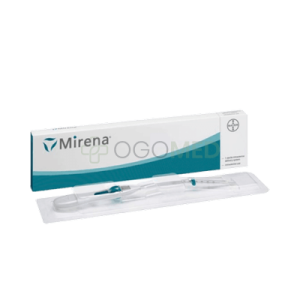
Before the procedure, the clinic usually prepares the device in advance. In many cases, the healthcare provider will order Mirena through the medical supplier so it is available at the time of the appointment. The device itself is a small t-shaped device that a doctor places inside the uterus during a medical procedure called IUD insertion, passing it through the cervix. Once inserted, it releases a small amount of the hormone progesterone into the uterus every day. It causes several changes that help prevent pregnancy and affect the cycle.
Mirena works in several key ways:
Because Mirena changes the structure of the endometrium, many users notice their periods lighter over time, and for some people their periods may stop altogether.
Most users do not see immediate changes after Mirena placement. Instead, the body gradually adapts as the hormone begins to affect the uterus and the body adjusts to the device. The timeline usually looks something like this:
For many users it takes a few months before noticeable changes appear. During this adjustment phase, some individuals experience irregular bleeding or occasional spotting episodes. Healthcare providers often explain that Mirena acts gradually, and patience is required before the full effect on the cycle becomes noticeable.
One of the main reasons Mirena can cause periods to disappear is the way it affects the endometrium. Normally, it thickens during each menstrual cycle and then sheds during a normal period. When Mirena is present, the hormone released inside the uterus keeps the lining very thin. Without a thick lining to shed, there may be very little period blood, and in some cases menstruation may completely stop.
Several biological effects explain this change:
These changes are the reason Mirena is often recommended as a heavy menstrual bleeding treatment for people who struggle with heavy periods or frequent heavy bleeding.
The adjustment period after insertion can feel unpredictable. Many users notice fluctuations in vaginal bleeding patterns during the first several months. Common early experiences include:
Some people also notice that their usual painful menstrual cramps become milder. This happens because the hormone reduces uterine contractions, which can ease pelvic pain associated with menstruation. While these changes can feel unusual at first, they are generally considered normal while the body adapts to the device.
Beyond contraception, Mirena IUD is widely used to treat heavy periods and manage certain menstrual conditions. Because the device reduces the growth of the endometrium, it can significantly lower the amount of bleeding during menstruation. For patients with severe heavy menstrual bleeding, doctors sometimes recommend Mirena before considering surgical treatments. In fact, it has become a common therapy for abnormal uterine bleeding that is not caused by structural problems in the uterus.
Benefits for people with heavy bleeding are:
Over time, these improvements may lead to a lighter period, and in some cases the period may disappear completely.
Not all IUDs affect menstruation the same way. There are several types of IUDs, and the hormonal ones behave differently from non-hormonal options. A major comparison is between Mirena and the copper IUD. The copper device does not release hormonal components and instead works by creating an environment that is toxic to sperm.
Key differences include:
Because of these differences, people with naturally heavy periods are often advised to avoid the copper option and choose hormonal intrauterine devices IUDs instead.
For some users, periods disappear entirely after a few months with Mirena. This does not happen to everyone, but studies show that a significant percentage of users stop having periods after about one year. Several factors influence whether menstruation stops:
When periods do stop altogether, it is generally considered a safe effect of the device rather than a medical concern. The absence of period blood simply reflects a very thin uterine lining. However, if someone misses periods suddenly, it is reasonable to take a pregnancy test to rule out rare complications.
Although Mirena IUD is considered one of the most effective forms of contraception, like all medical devices it carries potential risks. Some possible complications include:
These complications are uncommon but may require medical attention. Some users also experience ongoing irregular bleeding or persistent spotting. In rare situations, pregnancy can occur with an IUD in place, and there is an increased risk that it could be an ectopic pregnancy.
Before receiving Mirena intrauterine device, patients typically have a consultation with a healthcare provider. During this visit, the doctor evaluates whether the device is appropriate based on medical history and reproductive goals. Certain factors may increase complications:
Doctors also review guidance from organizations involved in disease control and reproductive health to ensure that the device is used safely. Patients should always discuss symptoms such as persistent pelvic pain, severe bleeding, or unusual discharge with their health care professional.
Many people want to know how to recognize whether their IUD works correctly after insertion. While the experience varies, there are several signs that Mirena is functioning as expected:
Over time, some people notice that their regular period becomes irregular or disappears entirely. This does not mean the device has failed. In fact, it often indicates that Mirena works effectively to thin the endometrium. In rare cases the device may shift or the IUD works less effectively if it becomes displaced, which is why periodic medical checkups are recommended.
Mirena is a long-acting and reversible contraception method that can significantly change menstrual patterns. Most people do not see their periods disappear immediately, but over time the hormone released by the device gradually reduces bleeding as the endometrium becomes thinner.
For many users the process takes several months, and while some experience occasional spotting during this period, many eventually see their periods become lighter or even stop completely. If there are concerns about unusual bleeding or discomfort, speaking with a medical professional is always the best step.
With hormonal devices, the uterine lining becomes thinner, so there is less tissue to shed, which means a lighter period and reduced menstrual flow. In many cases, Mirena changes the cycle so much that people think the blood disappears, but it is simply much less.
Yes, this form of birth control can make cycles very light, and in some users Mirena stops period blood after several months. This happens because the device changes the endometrium while still helping prevent pregnancy.
Most women using hormonal IUDs notice a lighter period over time because they reduces the buildup of the uterine lining. The effect develops gradually as the body adapts and the menstrual flow becomes weaker.
A copper IUD does not contain hormonal substances, so it may cause heavier cycles instead of reducing them. This type of birth control can still prevent pregnancy, but it usually does not make cycles lighter.
Yes, Mirena is often used for heavy period blood because it thins the endometrium and can reduce the amount of it during each cycle. In many patients, Mirena stops bleeding or makes the menstrual flow much lighter after several months.
Many women notice fewer menstrual cramps with hormonal IUDs because the endometrium stays thin and contracts less. When the cycle reduces, the lighter bleeding is usually less painful as well.
The copper intrauterine device can work for up to eight years, depending on the model recommended by the doctor. It is a long-term form of birth control that helps prevent pregnancy without hormonal agents.
After IUD insertion, Mirena can provide protection for up to five years while continuously releasing hormone. During this time, it works as birth control and often makes the menstrual flow lighter.