
Content
Weight gain is one of the common concerns people raise before getting Mirena. The short answer is reassuring but not absolute: Mirena is a hormonal IUD, yet current evidence does not show that it routinely causes significant weight gain. Some people gain weight after insertion, some lose it, and others stay close to their starting weight. Body weight also changes naturally during the reproductive years, whether someone uses hormonal contraception or not.
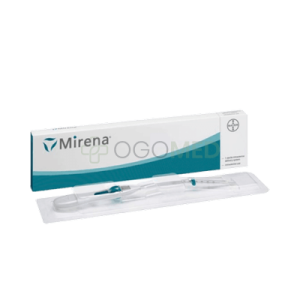
Mirena is a levonorgestrel releasing intrauterine system placed inside the uterus. It mainly thickens cervical mucus and changes the uterine environment, which prevents sperm from reaching and fertilizing an egg and helps prevent pregnancy. As long acting reversible contraception, it can work for years and can be removed when contraception is no longer wanted.
Research has not established that Mirena commonly makes people gain weight. In a prospective comparison, both levonorgestrel-IUD and copper IUD users gained some weight after 12 months. The hormonal group gained more on average, but there were no significant differences in total weight change between the groups. A larger study also found that, after adjustment for age and race, the contraceptive method itself did not significantly influence weight gain.
That matters because timing can be deceptive. If someone gains several pounds after having the coil fitted, Mirena may seem like the obvious cause. Yet people using hormone free contraception also gain and lose weight over time, so a change after insertion does not automatically mean a change caused by insertion. Weight change can still be a potential side effect worth discussing when the timing or size of the change feels unusual.
A Cochrane review of progestin only contraceptives found little evidence of major weight effects. In most studies, average gain at six or 12 months was under 2 kg, and comparison groups often changed by a similar amount. A 2025 Society of Family Planning statement likewise recommends discussing possible weight changes without treating most forms of hormonal birth control as proven causes of substantial gain. Healthline, which is part of RVO Health, also notes that evidence directly connecting Mirena with weight gain remains limited, with individual reports being much stronger than the available research.
The useful numbers look like this:
There is not substantial evidence that Mirena directly causes large, predictable increases in weight. The official Mirena website focuses instead on established effects such as changes in bleeding, abdominal or pelvic pain, headaches, vaginal discharge, and ovarian cysts: weight gain is not listed among its common side effects. Still, the research cannot promise that every individual will have the same experience, which is why weight gain concerns deserve a practical rather than dismissive answer.
For licensed clinics researching where to buy Mirena, OGOmed is one of the medical suppliers that includes its OB-GYN product range. Since Mirena is prescription-only, purchasing and placement should remain within appropriate regulated clinical channels.
Weight is shaped by many factors at once: sleep, stress, diet, medications, pregnancy history, aging and daily movement. An exercise routine can change around the same time someone starts a new contraception, while small lifestyle changes can add up over several months. These other factors are often more powerful than the hormone exposure from an intrauterine device.
Temporary bloating or water retention may also feel like true fat gain even when body fat has barely changed. Appetite and digestion can shift for unrelated reasons. Tracking a trend rather than reacting to one number usually makes sense.
As the body adjusts, irregular bleeding, cramping and changes in menstrual flow are better documented than major weight gain. Mirena can cause breast tenderness due to progestin release. These effects may make the early months feel strongly hormonal even when there is no lasting change on the scale.
Things that can temporarily change how the body feels include:
The most common side effects of Mirena IUD involve bleeding and pelvic symptoms rather than weight. Official safety information lists bleeding changes, pelvic or abdominal pain, headache or migraine, vaginal discharge and ovarian cysts among commonly reported effects. Irregular periods are especially common early on, while lighter periods or no periods become more likely later.
A typical adjustment pattern can include:
Heavy bleeding is more characteristic of the copper IUD, although Mirena can cause heavier or irregular bleeding early after insertion. The Centers for Disease Control and Prevention notes that spotting or light bleeding is expected during the first few months with an LNG-IUD, while prolonged bleeding is uncommon once the method is established.
Persistent severe pelvic pain, fever, unusually heavy bleeding, abnormal discharge, a positive pregnancy test or concern that the device moved should be assessed. Rarely, an IUD perforates the uterine wall. Pregnancy with an IUD in place also needs prompt evaluation because ectopic pregnancy and other complications are possible.
Severe pain or fever soon after insertion may need immediate medical attention. Online care can help with initial questions, but suspected infection, displacement or perforation usually needs an in-person examination.
A single weigh-in tells very little. Hydration, food, bowel movements and menstrual changes can move the scale from day to day, so a trend over several weeks is more useful. This also helps distinguish temporary fluid shifts from a genuine increase in tissue.
A simple check can include:
Mirena releases levonorgestrel, while the copper IUD is non-hormonal. Both are forms of reversible contraception placed in the uterus and do not require a daily pill. The copper device is the main option among non hormonal IUDs, and its side-effect pattern is quite different.
| Feature | Mirena | Copper IUD |
|---|---|---|
| Hormones | Levonorgestrel | None |
| How it works | Thickens cervical mucus and changes the uterine environment | Copper disrupts sperm function |
| Periods | Often become lighter, but may stop | Can become heavier or more painful |
| Weight evidence | No clear proof of clinically meaningful average gain | No hormonal mechanism expected to drive weight gain |
| Category | Hormonal long-acting method | Hormone-free long-acting method |
If avoiding hormones is the priority, copper may fit better. If heavy periods are already a problem, Mirena may be attractive because it is also used to treat heavy menstrual bleeding. The choice is less about finding a device that guarantees zero weight changes and more about which overall profile suits the person.
Pills, implants, injections and hormonal IUDs deliver different hormones in different ways. The clearest contraceptive-related signal for meaningful weight gain is seen with DMPA injections, not Mirena, so broad claims that all hormonal contraceptives act the same are misleading. Progestin only contraception should not be treated as one interchangeable group.
The hormone from Mirena IUD acts mainly in the uterus, although some reaches the bloodstream. Systemic symptoms are therefore possible, but its exposure pattern differs from other progestin only contraception.
One 12-month study found greater average gain among black women than among other racial groups after statistical adjustment, while the method itself was not a significant predictor. That does not show that Mirena affects black women differently from white women, and race itself is not a biological explanation for the difference. Social, environmental, health and economic conditions can be mixed into such associations, so this finding should not be used to predict what will happen to an individual person.
Current guidance recommends person-centered counseling across body sizes rather than restricting IUD use because of weight. The Centers for Disease Control and Prevention also notes that obesity alone is not a reason someone cannot use an IUD. Measuring baseline weight can simply make later conversations about possible changes more concrete.
If you notice more weight appearing steadily after Mirena IUD, it is reasonable to investigate rather than dismissing the change as anecdotal evidence or automatically blaming the device. Look at when the change began, how quickly it is happening, and what else changed at the same time. Rapid gain accompanied by swelling, shortness of breath, marked fatigue or other new symptoms deserves medical review.
For many women, the useful question is not simply whether Mirena IUD causes weight gain, but whether their own pattern has changed enough to investigate. A clinician can review medications, sleep, diet, activity, thyroid or metabolic issues and the timing of symptoms, while also discussing whether keeping or removing the IUD still fits the person’s priorities.
A copper intrauterine device contains no hormones, so it may appeal to people who want to avoid hormone-related concerns. Still, weight can change because of many factors that have nothing to do with contraception.
Some forms of birth control are linked with weight changes more clearly than others, but Mirena has not been shown to consistently cause weight gain. Individual responses can vary, especially when diet, activity, sleep, medications, or health conditions also change.
Different contraception with progestin only do not have identical effects because the dose and way the hormone is delivered vary. With Mirena, the most common side effects are more often related to bleeding patterns, cramps, headaches, or pelvic symptoms than major weight gain.
Only 5% of Mirena users report weight gain. Seeing extra weight on the scale after insertion does not necessarily mean Mirena caused it. Changes in fluid balance, appetite, lifestyle, aging, or other forms of hormonal contraception can overlap with the same period.
After having the coil fitted, spotting, cramping, and irregular bleeding can occur while the body adjusts. Mirena works mainly by thickening cervical mucus and changing the uterine environment to help prevent pregnancy.