
Content
Over the past decade dermal fillers have become a lunch-break beauty staple, yet social media is awash with dramatic posts about filler migration. Patients who want sculpted cheeks or pillowy lips worry that their investment will slide into the wrong treatment area, robbing them of the expected outcome they paid for.
Understanding how and why gels can move inside the body starts with a closer look at Juvederm’s flagship range — Voluma, Volux, and Ultra — and at the science of injection itself.
No two fillers perform alike, even within the Juvederm family. Each syringe contains cross-linked hyaluronic acid, but the proportions create a distinct rheology—the way a gel stretches under pressure. That rheology determines how a particular type of filler behaves in living skin and whether it tends to stay put or migrate after injection. Think of dermal fillers as paint with different viscosities: thick acrylic for structure, silky watercolor for subtle shading.
 Juvederm Voluma, Volux, and Ultra all sit under the umbrella of dermal fillers, yet each formula has a different mission, and that translates into a different tendency to migrate in skin. Below is a clinical cheat sheet that practitioners rely on when deciding where and how to place each gel.
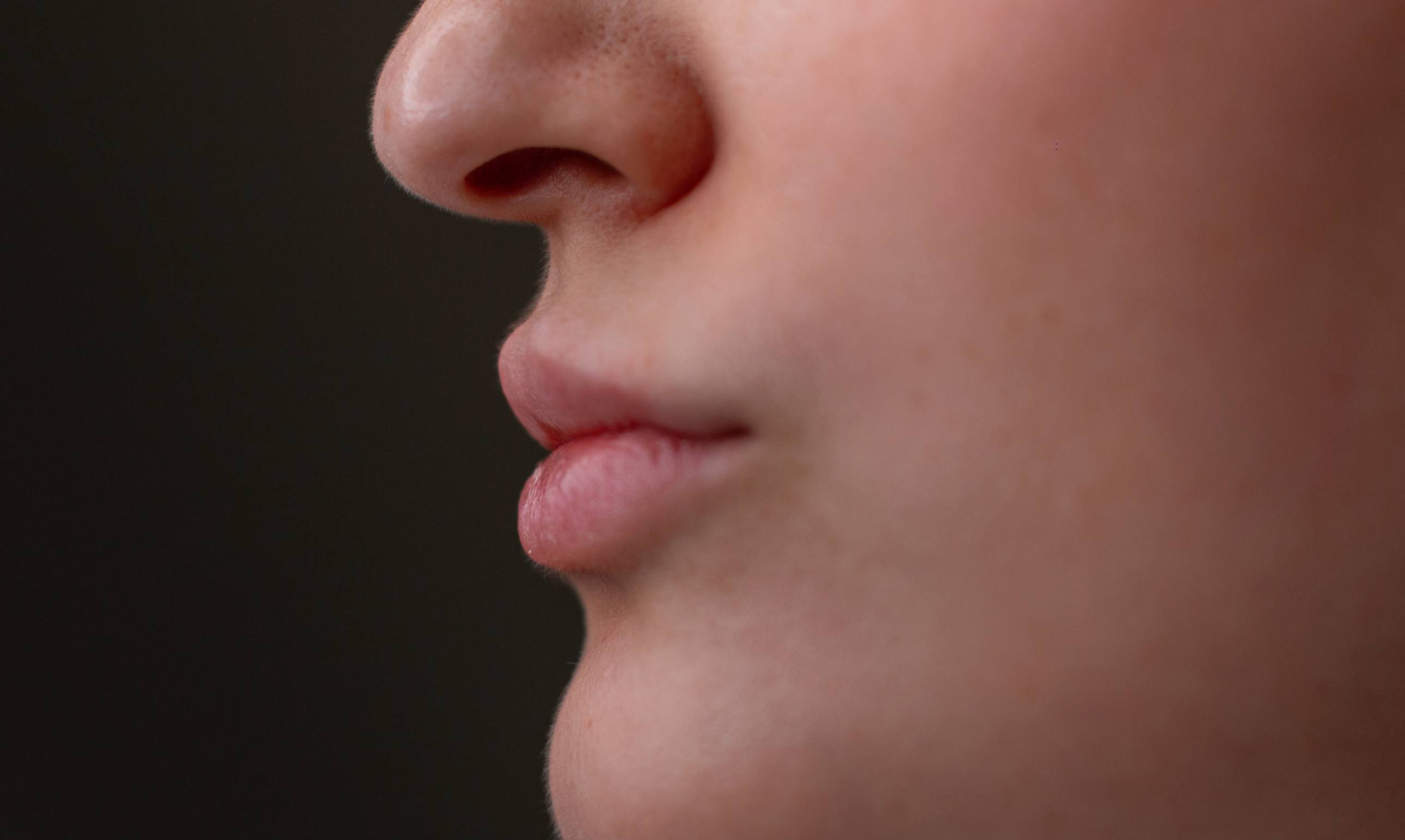
A single syringe of lip gel can transform appearance, but the mouth is one of the hardest zones to keep stable. Constant motion plus thin skin tissues make it a hotbed for filler migration. Add too much filler or rapid-fire cosmetic injections, and the gel is pushed beyond the vermilion border.
Every week clinic inboxes receive photos of puffy smiles and drifting jawlines. In most cases, the theme is the same: inexperienced injectors misunderstood facial tissue planes. When cannula tips sit too shallow or too deep, migration follows the path of least resistance.
When shaping the mid-face with the filler products, clinicians must respect the retaining ligaments beside the nasolabial folds. Inject too medially and gel can ride those ligaments sideways—a classic example of unchecked migration.
Stopping migration before it starts is easier than repairing it. The gold standard combines sound anatomical knowledge with conservative product choice.
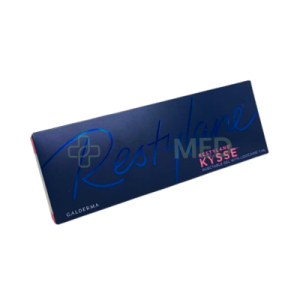
The good news is that most cases of filler migration are reversible. Because Juvederm is made from hyaluronic acid, an enzyme called hyaluronidase can dissolve misplaced gel without harming surrounding skin. A skilled injector begins with ultrasound mapping to locate the product, then performs a low-pressure injection of the enzyme. If the affected area is the cheeks, a second session may be required because a thicker filler takes longer to break down. After dissolution, many patients worry that the face will look flat. In practice, a staged re-fill with dermal fillers — often a blend of Voluma plus other fillers like Restylane — restores contour while reducing future risk of migration. The key is injecting filler in the correct compartments and allowing the body at least four weeks to heal before another treatment.
Handled thoughtfully, dermal fillers can sculpt the face for years without straying. Choose an expert injector, follow the treatment plan, and respect the biology of skin. Seek personalized advice rather than copying an influencer who bought Juvederm online, and remember that well-cross-linked hyaluronic acid products such as Voluma or Volux behave differently from thinner cousins. With vigilance, dermal fillers stay where they are placed and continue to deliver confident contours. In short, respect volume limits, layer dermal fillers thoughtfully, and schedule annual reviews where your clinician can refresh dermal fillers only where needed. Long-term success comes down to patience, precision, and partnership with a qualified injector who understands both the art and the anatomy of facial injection. When all these elements align, the treatments can truly enhance natural beauty — without the risk of filler migration.