
Content
The idea of reshaping the lower face without drastic intervention has become increasingly appealing, especially for people who want subtle refinement rather than dramatic change. Many are drawn to treatments that enhance features while preserving identity, and that’s exactly where modern aesthetic medicine stands today.
When the lower face appears too wide or heavy, it can affect overall proportions, but not everyone is ready to consider surgical procedures. This is where a carefully planned approach using injectable treatments offers a balanced path forward. Understanding how these treatments work and what results truly look like helps set realistic expectations from the very beginning.
Jawline slimming is a technique designed to reduce the width of the lower face by targeting the masseter muscles. These muscles are responsible for chewing and can become enlarged due to habits like teeth grinding or jaw clenching. Over time, repeated strain leads to muscle hypertrophy, which creates a broader, more square appearance. By addressing this underlying cause, practitioners can soften the jawline shape without altering bone structure.
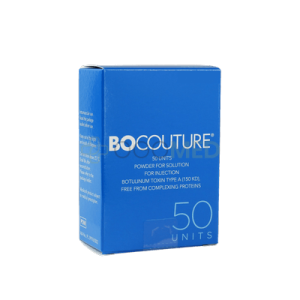
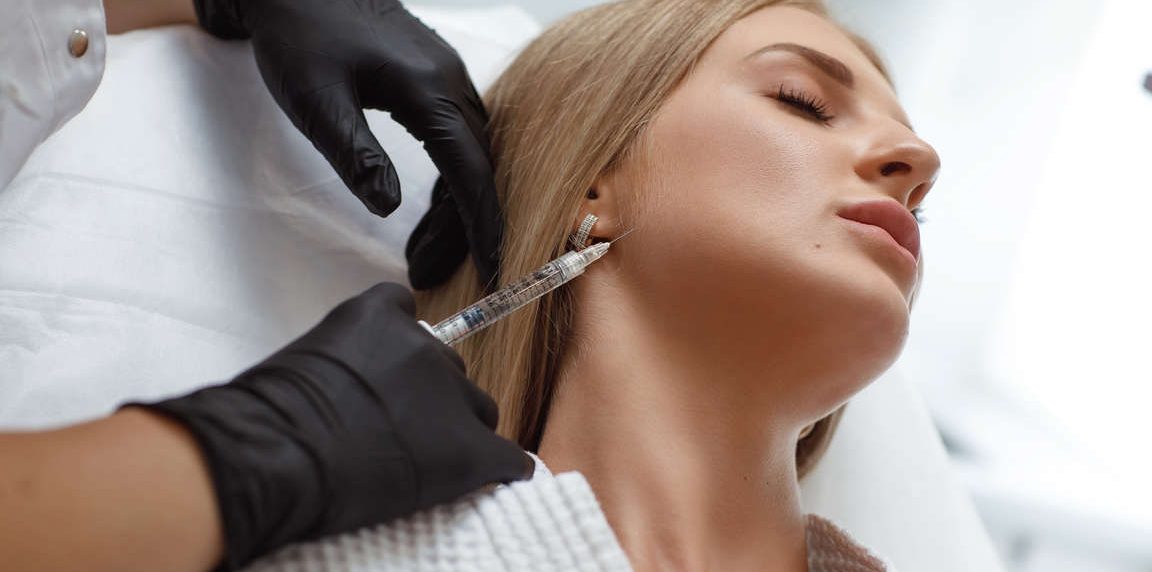
The treatment involves Botox injections placed directly into the masseter muscles. This botulinum toxin type works by blocking nerve signals that trigger muscle activity, allowing the muscles to relax. As the masseter muscles gradually relax, the lower face becomes less bulky and more refined. This process does not eliminate function but reduces excessive tension that contributes to jaw tension and visible enlargement.
Not everyone with a wider jaw requires treatment, and identifying a good candidate depends on several factors. People experiencing jaw pain, tension headaches, or visible muscle prominence often benefit the most. A consultation typically includes evaluating medical history, lifestyle habits, and aesthetic goals to ensure the treatment aligns with expectations. Each person has a unique facial anatomy, which plays a key role in determining the final aesthetic outcome.
Candidates usually share certain characteristics that make them suitable for this approach:
At the same time, practitioners assess the unique facial structure to ensure the treatment enhances rather than disrupts facial harmony. The goal is always to refine, not to erase individuality or natural beauty.
To understand how Botox works, it’s important to focus on the relationship between nerves and muscles. When Botox is injected into the masseter, it blocks communication between the nerve and the muscle, reducing excessive contraction. Over time, regular use of jaw slimming Botox may lead to muscle atrophy due to consistent muscle relaxation. The result is a softer, more contoured jawline that appears naturally balanced.
The procedure itself is straightforward and typically involves minimal discomfort. A numbing cream may be applied beforehand to make the experience more comfortable. The practitioner uses precise dosing based on the number of units required, which can vary based on muscle size and individual anatomy. This precision ensures that nearby muscles responsible for facial expressions remain unaffected.
Unlike immediate cosmetic changes, jaw Botox works gradually over several weeks. This slow transformation is one of the reasons results look natural, as the face adjusts progressively rather than all at once. Patients can expect to see initial changes in their jawline within 1-2 weeks after the treatment, with full effects developing over 4-6 weeks. Results typically become more defined after several sessions, depending on the intended look.
The changes are often described as understated yet noticeable:
Because the process is gradual, many patients report feeling more confident without others immediately identifying the source of the change. This balance is essential for maintaining authenticity in facial aesthetics.
While the focus is often on appearance, there are also therapeutic advantages to this treatment. Jaw slimming Botox can significantly reduce symptoms of temporomandibular joint (TMJ) disorders and alleviate tension headaches associated with jaw muscle overuse. This dual benefit makes the procedure appealing for both cosmetic and functional reasons.
Additional benefits may include:
These outcomes highlight how a minimally invasive procedure can provide both aesthetic and therapeutic relief. Many patients experience a better quality of life alongside visible improvements.
Achieving a natural look requires a tailored approach that respects the individual’s facial proportions. Practitioners consider factors such as facial asymmetry, previous shape, and how the skin loses elasticity over time. The aim is to enhance facial harmony rather than create an artificial or overly sculpted appearance.
Several elements influence how the final result develops:
Because every face has a unique facial structure, results vary based on these variables. Careful planning ensures that the slimming effect aligns with the person’s overall facial aesthetics, leading to a refined yet believable outcome.
The Botox for jawline slimming procedure typically takes about 15-30 minutes to complete, involving a series of small injections into the masseter muscles. It does not require significant downtime. Patients often return to normal activities shortly after the procedure. The experience is generally well tolerated, and most patients describe only minimal discomfort during injections. Some mild swelling or tenderness may occur but typically resolves within a short period.
Post-treatment care for Botox injections includes avoiding rubbing the injection sites and refraining from strenuous exercise for 24 hours to ensure optimal results. Over the following weeks, the reduction in muscle activity becomes more noticeable, leading to a gradual transformation. Many patients appreciate that the changes develop subtly, making the transition feel natural rather than abrupt.
The longevity of Botox results can vary based on individual factors such as metabolism and the severity of muscle activity, but on average, effects last between 3 to 6 months before maintenance treatments are needed. Maintenance treatments are usually scheduled every few months to preserve the desired result. Over time, repeated sessions may prolong the effects as the muscles adapt to reduced activity. This makes it easier to maintain a face slimmer appearance with less frequent intervention.
The duration of results can vary depending on several factors:
Patients often notice significant improvement after consistent treatments, especially when combined with lifestyle adjustments that reduce strain on the jaw.
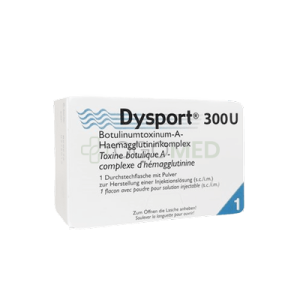
Safety is a key consideration in any cosmetic procedure, and jaw Botox is generally regarded as safe when performed by experienced professionals. The treatment uses a controlled dose of botulinum toxin type that has been widely studied and applied in both medical and aesthetic contexts. Clinics that prioritize safety and consistent results typically buy Botox from verified medical suppliers, ensuring product authenticity and reliable outcomes for every procedure. However, as with any procedure, there are potential risks to be aware of.
Temporary side effects of jaw slimming Botox can include localized pain, bruising, and temporary facial asymmetry, weakness in the treated area. Extremely rare complications such as allergic reactions are also possible. These risks are minimized when the procedure is performed correctly, with careful attention to dosage and placement. Reviewing medical history beforehand helps ensure that the treatment is appropriate and safe for each individual.
The journey toward a more refined jawline is not about instant transformation but gradual enhancement. Many patients find that repeated sessions help them move closer to their desired look while maintaining flexibility in how their appearance evolves. This adaptability is one of the reasons why the masseter Botox is so widely chosen as a non surgical solution.
As the body continues to respond to treatment, the face becomes more balanced, and the lower jaw appears less dominant. The end goal is not perfection but improvement that feels authentic and aligned with the person’s identity. With proper planning and realistic expectations, patients can achieve a natural-looking transformation that enhances both confidence and comfort.
Choosing a treatment that respects individuality while delivering visible improvement is essential in modern aesthetics. Jaw Botox offers a way to refine the lower face without altering what makes each person unique. By focusing on muscle behavior rather than structural change, it creates a softer, more harmonious appearance over time. The combination of aesthetic enhancement and therapeutic relief makes it a practical option for many patients seeking balance.
For those considering this approach, understanding how the process works and what to expect helps build confidence in the decision. With the right practitioner and a personalized plan, achieving a contoured jawline that looks natural is not only possible but sustainable.
Strong jaws can create a wider lower face, especially if overused. Relaxing them with masseter Botox helps achieve a softer, more balanced appearance.
Yes, constant jaw clenching increases muscle size over time. This can also be linked to habits like teeth grinding that contribute to bulk in the lower face.
It can reduce tension in the area, which often leads to relief from discomfort. The effect comes from how botulinum toxin limits excessive muscle activity.
The change is usually gradual and natural-looking rather than dramatic. Results depend on factors like unique facial anatomy and muscle strength.
A more defined outline is possible as the muscles reduce in size. This process is known as masseter reduction and helps refine the lower face.
Most people start noticing changes within a few weeks as the muscles relax. Over time, this leads to a visibly slimmer jawline.
The amount can vary depending on muscle size and individual needs. A specialist determines the right dose based on jaw clenching habits and facial proportions.