How to Reconstitute Peptides for Accurate Dosing
Peptides are widely used in modern research, biotechnology, and laboratory-based protocols due to their diverse functions, predictable metabolism, inflammation modulation, and highly targeted activity. However, even the most advanced research peptides can lose potency and stability if handled incorrectly. That is why peptide reconstitution is not just a technical step but an essential procedure that determines whether biomolecules achieve their intended effect or undergo degradation.
To understand the core of it, let’s explore the science, calculations, and handling standards behind accurate reconstitution, ensuring peptide integrity, consistent dose, and long-term stability for laboratory research.
Understanding Peptide Reconstitution and Stability
Most peptides are typically supplied as a lyophilized substance, meaning the peptide powder has been freeze-dried to improve shelf life and stability. Lyophilization protects fragile short chains of amino acids from moisture-related degradation, but the compound must be carefully rehydrated before use.
The reconstitution process converts dry material into usable peptide solutions, and mistakes at this stage may compromise peptide integrity or reduce potency. They are sensitive molecules, and factors such as pH, temperature, oxygen exposure, and mixing methods all influence whether peptides retain their biological activity.
Why Peptide Stability Matters
- Peptides degrade gradually, and this process may occur faster if solvents or temperatures are incorrect;
- Loss of potency affects reproducibility in research;
- Improper handling may cause fragment formation;
- Oxidation of sensitive amino acids like Cys, Met, and Trp can occur quickly.
Choosing the Appropriate Solvent for Peptides
Selecting an appropriate solvent is essential for successful peptide reconstitution and optimal solubility. In most laboratory research, bacteriostatic water is recommended due to its antimicrobial properties and ability to support maintaining biomolecules’ stability.
Bacteriostatic water is sterile water containing benzyl alcohol, which helps prevent bacterial growth during peptide storage and repeated access to a vial. It is typically preferred when a product is used over several weeks.
Hydrophilic compounds dissolve well in sterile water or bacteriostatic water, while acidic peptides may require basic buffers before dilution. Proper solvent choice is crucial for ensuring molecules remain stable and functional:
- Bacteriostatic water supports antimicrobial protection;
- Solvent affects dissolution and mixing efficiency;
- Incorrect solvents increase degradation risk;
- Solvent volume influences dose accuracy.
Step-by-Step Peptide Reconstitution Techniques
Following standardized reconstitution techniques ensures reconstitution peptides remain intact and usable for research. Before beginning, allow the sealed peptide vial and bacteriostatic water to reach room temperature. This prevents condensation and cloudiness.
Peptide Reconstitution Steps
- Sanitize the vial stopper with alcohol;
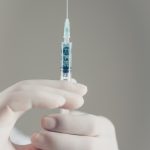
- Use a sterile syringe to withdraw bacteriostatic water;
- Add solvent slowly down the side of the vial;
- Avoid vigorous shaking: instead, gently swirl;
- Allow time for complete dissolution.
Avoiding vigorous shaking is crucial, as it can cause aggregation, particles, and molecular degradation. After adding solvent, let the reconstituted peptides sit for 15–30 minutes. Mild sonication may be used if needed. Inspect the liquid carefully for clarity and absence of undissolved material. If visible particles remain after dissolution, gentle filtering using sterile laboratory filters may be applied to improve solution clarity without affecting molecular structure.
How Much Bacteriostatic Water Do You Need for Peptide Solutions: Reconstitution Calculator
Correct dosing begins with understanding the peptide quantity in the vial, usually expressed in mg. Determining the desired dose requires calculating the desired concentration based on solvent volume.
This is where a peptide calculator becomes invaluable in research settings. These tools help determine how much solvent to add and how much solution to draw for a specific amount.
Peptide Calculator
- Total peptide (e.g., 5 mg) ÷ solvent volume = concentration;
- Larger volumes yield lower concentrations;
- Higher concentration solutions require precise measurement;
Understanding how much bacteriostatic water to add is critical. Using too much causes excessive dilution and inaccurate doses, while too little makes small dose measurements difficult and increases error risk. Use a larger gauge syringe (18g–20g) for solvent transfer and a smaller syringe (25g–27g) to measure the final dose accurately.
Peptide Storage Instructions and Maintaining Potency
Once peptides are reconstituted, proper storage becomes vital. Even perfectly prepared reconstituted peptides can lose activity if not stored properly:
- Refrigerate at 2–8°C for short-term use;
- For long-term storage, freeze at -20°C or -80°C;
- Avoid repeated freeze–thaw cycles during handling with a syringe;
- Keep each vial tightly sealed.
Peptide solutions are generally stored for 3–8 weeks at +4°C and several months at -20°C. Lyophilized material kept frozen may remain stable for years when handled correctly. Always label each vial with the date of reconstitution and concentration. Accurate documentation supports traceability and reproducibility in research.
To store peptides safely:
- Limit light and air exposure;
- Maintain optimal pH conditions;
- Aliquot into smaller vial units;
- Ensure solutions remain stored under sterile conditions.
Scientists who buy peptides for long-term research must pay particular attention to reconstitution and storage protocols, as improper handling can rapidly reduce experimental reliability.
Final Thoughts
An effective peptide reconstitution process is the foundation of reliable research outcomes. By selecting bacteriostatic water, applying careful mixing, calculating the dose precisely, and following strict storage instructions, researchers can achieve consistent results while maintaining molecular stability. Whether preparing the substance for biochemical assays or long-term experimental studies, disciplined handling ensures peptides maintain intended function over time.






 Teosyal Rha2 1ml1 × $249.00
 BCN Hyaluronidase 1500UI1 × $99.00
 Mirena 52mg 1 Iud1 × $399.00
 Prolia 60 Mg Non-English Packaging (1 Pre-Filled Syringe)1 × $499.00
 Jaydess(IUD) Skyla1 × $299.00
 Teosyal Puresense Ultimate1 × $229.00
 Saypha Volume 1ml1 × $79.00
 Botox 100 Units1 × $439.00
 Nexplanon 68 Mg 1 Implant1 × $299.00