
Content
Modern cosmetic treatments offer more ways than ever to achieve beautiful, balanced lips. Whether patients want a dramatic transformation or a soft, refined change, there are many approaches designed to suit individual facial features and personal preferences. Today, both women and men explore treatments that create fuller lips while maintaining harmony with the rest of the face.
There are several treatment options available for patients seeking a refreshed appearance. The most popular types include dermal fillers, surgical procedures, and fat-based techniques. Each method offers unique benefits depending on the patient’s expectations, budget, and desired maintenance schedule.
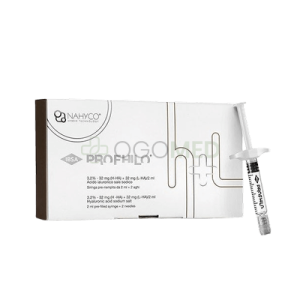
Hyaluronic acid fillers are the most commonly used type of lip filler, known for their safety, natural-looking results, and minimal downtime. Different formulations of these fillers vary in thickness and flexibility to achieve specific goals, ranging from subtle hydration to dramatic plumping. Modern HA fillers provide immediate results and are the industry standard due to their temporary and reversible nature.
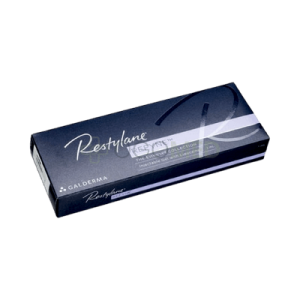
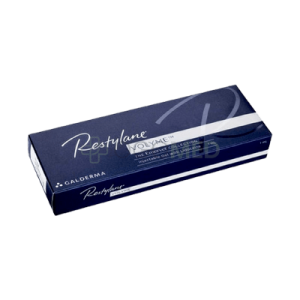
FDA-approved lip fillers typically include Juvederm and Restylane, which vary in density, longevity, and flexibility. Juvederm and Restylane are the two leading brands of hyaluronic acid lip fillers, each offering unique formulations that cater to different goals:
Most hyaluronic acid fillers texture allows providers to shape the cupid’s bow, improve lip shape, and smooth fine lines around the mouth. Patients looking for subtle lip enhancement often prefer these formulas because they provide soft volume without looking overdone.
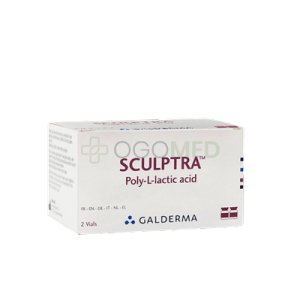
Collagen fillers, once the industry standard, are less common today due to shorter duration and higher potential for allergic reactions. Some advanced fillers also stimulate collagen production over time, improving skin quality and structure gradually. These products can:
Certain fillers are designed to encourage the body to rebuild supportive tissue, which creates long lasting results compared to temporary hydration-based formulas.
Not all patients choose injectable dermal fillers. Some individuals prefer surgical solutions or procedures using their own tissue for a more personalized outcome.
Fat transfer lip fillers involve using fat harvested from the patient’s body, such as the abdomen or thighs, and can provide more permanent results, although they may have a longer recovery time and less predictability in results. Because the material comes from the patient, the treatment may feel especially natural. Benefits of body fat transfer lip injections include:
However, the recovery may take longer compared to standard fillers. Some fat cells may not survive after transfer, meaning additional sessions could be necessary to maintain more volume.
Patients seeking dramatic or permanent changes may consider lip implants or a lift. These procedures are usually performed by a surgeon or specialized plastic surgeons with advanced facial training. Lip implants can provide:
A lift shortens the distance between the nose and upper lip, helping enhance shape and improve overall lip structure. This procedure can create a youthful appearance even without filler products.
No two lips are identical, which means selecting the right filler depends on several factors. Age, facial proportions, skin elasticity, and personal aesthetic goals all influence the final recommendation.
An experienced injector evaluates multiple details before treatment begins. Some patients want voluminous lips with dramatic projection, while others prefer subtle enhancement that simply restores definition lost with age. Important considerations include:
As people age, the lips naturally lose volume, which can make the face appear tired or less youthful. Carefully selected fillers help restore hydration and softness without compromising a natural appearance. Different products are not created equal. Some formulas are ideal for adding more structure, while others focus on flexibility and softness. Patients interested in different types of lip treatments should always discuss expectations honestly during consultation.
Safety of lip fillers depends heavily on practitioner experience and product quality. Treatments should always be performed in a sterile medical setting by qualified professionals such as a cosmetic surgeon, nurse injector, or provider specializing in facial aesthetics.
Clinics emphasize personalized planning and proper injection technique to reduce complications. Before treatment, many providers apply a topical anesthetic to improve comfort during the procedure. To minimize swelling after injections, patients are usually advised to:
Hyaluronic acid (HA) fillers are generally considered the safest option for lip enhancement due to their natural composition and the ability to dissolve them if necessary. Permanent lip fillers, such as silicone implants, can lead to complications like lumps and granulomas, making them less favorable compared to temporary options. Patients are advised to avoid lip fillers during pregnancy or breastfeeding due to the lack of safety studies on these procedures in such conditions.
Filler longevity varies significantly depending on the product used and the patient’s metabolism. Most hyaluronic acid fillers last between six and twelve months, although some advanced formulas remain visible even longer. Several factors affect durability:
Patients seeking lip augmentation often combine maintenance appointments with skincare treatments to preserve results longer. Repeated treatments can sometimes improve durability because the filler stimulates collagen production over time. Individuals searching for natural looking results should focus less on extreme trends and more on facial harmony. The best outcomes support the entire face rather than overpowering it.
Modern lip filler options provide flexible solutions for nearly every cosmetic preference, from subtle refinement to dramatic transformation. Whether choosing hyaluronic acid products, surgical procedures, or fat transfer techniques, patients benefit most from personalized treatment planning and realistic expectations. Consulting a qualified provider helps ensure safe procedures, balanced results, and a final appearance that complements natural facial features. With the right approach, patients can achieve soft, youthful, and beautifully defined lips that match their unique style.
Fat-based procedures may provide long lasting results because the transferred fat becomes part of the tissue over time. However, traditional fillers are easier to adjust and require a shorter recovery period.
Many patients choose lip injections to enhance lip shape and volume without surgery. A skilled injector can create balanced results that complement your facial features.
There are different types of lip fillers available, including HA fillers, collagen-based products, and fat transfer procedures. Surgical treatments like implants and lifts are also popular options.
HA is a naturally occurring substance found in the body that helps maintain hydration and softness. It creates smooth, flexible, and natural looking lip volume.
Most patients experience mild swelling or bruising for a few days after lip augmentation treatment. Products like Juvederm Ultra are designed to provide soft results with minimal downtime.