Important Shipping Update. We’ve got you covered! Due to new U.S. import regulations, orders may take a bit longer to arrive as they go through additional customs checks — but don’t worry! All extra import fees and tariffs are fully covered by us — you pay nothing extra. Shop confidently — your savings stay safe!Important Shipping Update. We’ve got you covered! Due to new U.S. import regulations, orders may take a bit longer to arrive as they go through additional customs checks — but don’t worry! All extra import fees and tariffs are fully covered by us — you pay nothing extra. Shop confidently — your savings stay safe!Important Shipping Update. We’ve got you covered! Due to new U.S. import regulations, orders may take a bit longer to arrive as they go through additional customs checks — but don’t worry! All extra import fees and tariffs are fully covered by us — you pay nothing extra. Shop confidently — your savings stay safe!
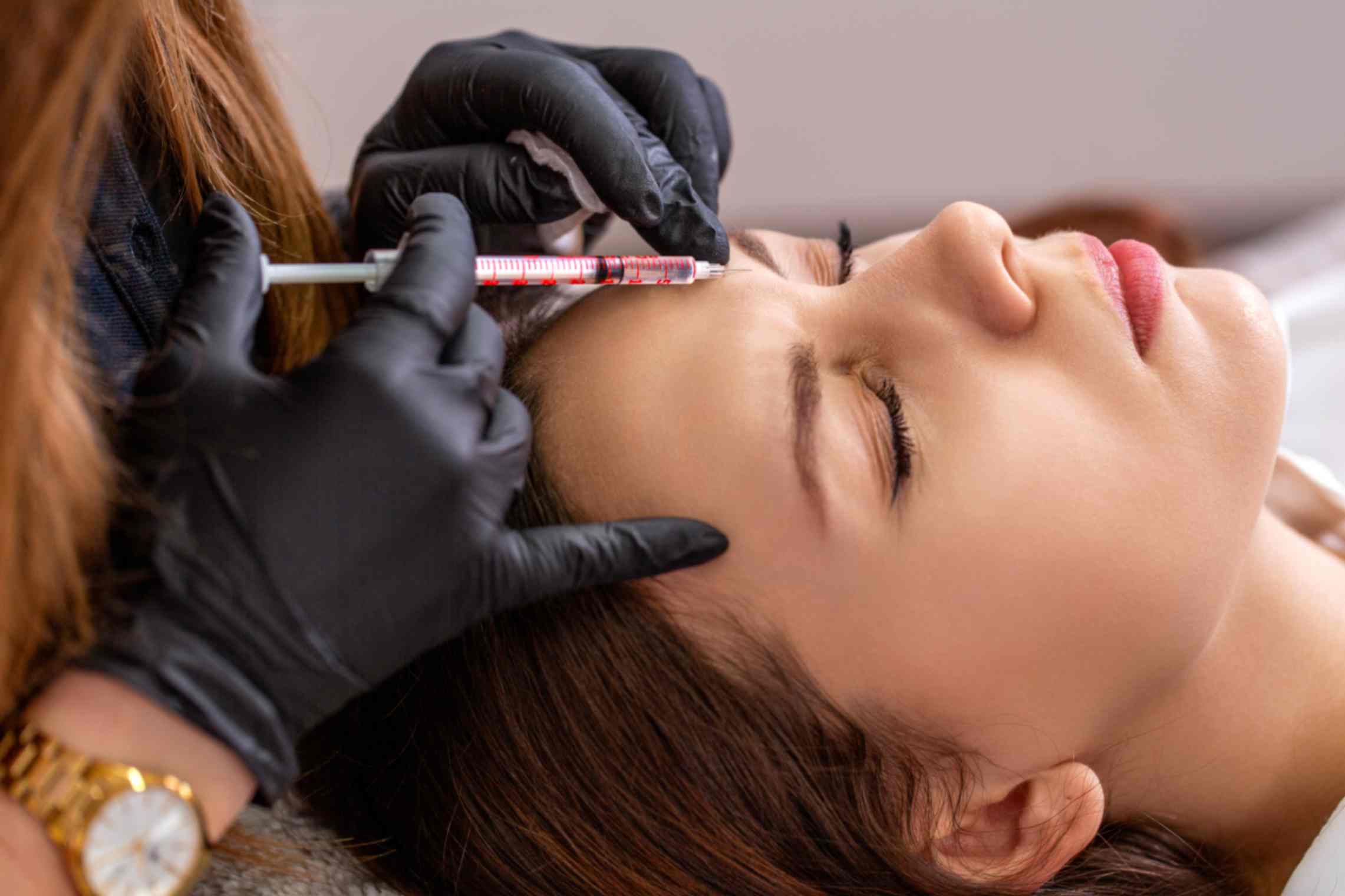
Dermatologists and aesthetic practitioners today carefully choose between Radiesse and Juvederm when planning cosmetic procedures. As part of the rising use of dermal fillers — especially in the era of hyaluronic acid innovations — understanding nuanced differences helps deliver tailored, long‑lasting patient outcomes. This comparison seeks to reveal biochemical, mechanical, and clinical distinctions between two FDA approved heavyweights, beyond mere brand rivalry.
Composition and Core Technology: Hyaluronic Acid
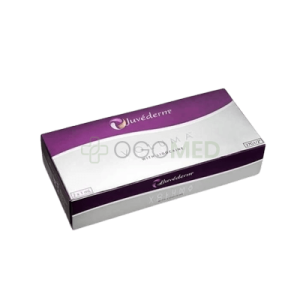
Juvederm is based on cross‑linked hyaluronic acid HA, a naturally occurring sugar molecule that binds water to hydrate and fill.
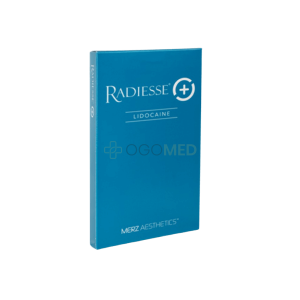
Radiesse, in contrast, comprises calcium hydroxylapatite (CaHA) microspheres suspended in a gel carrier.
It’s essential to grasp that Radiesse and Juvederm differ not only in material but in biochemical behavior: HA remains a hydrating gel, whereas CaHA acts as a scaffold.
Mechanism of Action: Temporary Fill vs. Long‑Term Remodeling
Juvederm provides immediate results via water binding — but the gel is eventually enzymatically broken down.
Radiesse supplies immediate volume, yet it also stimulates collagen synthesis, leaving behind a scaffold that transitions into natural collagen over time.
As practitioners consider Radiesse filler vs. Juvederm, it’s the divide between provisional volume and structural remodeling that matters most.
Longevity and Metabolic Profile of Juvederm and Radiesse
Feature
Juvederm
Radiesse
Longevity
Months to a year
Up to two years+
Breakdown
Natural HA metabolism
Microspheres degraded, carrier gel absorbed
Clinical Fading
Gradual volume loss
Sustained lift via collagen
Even though dermal fillers in general are temporary, Radiesse outlasts Juvederm thanks to new collagen scaffold, making it a preferred choice when extended durability matters.
Collagen Stimulation: Passive Hydration vs. Active Regeneration
Juvederm replenishes hydration but fades passively.
Radiesse stimulates collagen production more actively by triggering fibroblasts around CaHA microspheres.
While Juvederm supports the body’s collagen production indirectly by restoring volume and reducing ongoing tissue stress, it doesn’t have the explicit stimulatory effect. For practitioners, the deeper question is: do you want passive hydration or active collagen synthesis?
Volume Restoration and Lifting Capabilities
Radiesse acts like a scaffold, ideal for midface lift, chin projection, jawline, and structural support.
Juvederm excels at soft contouring — perfect for lip enhancement, tear‑troughs, and fine lines.
For clients wishing to add facial volume, the choice hinges on target and lifting needs — Radiesse and Juvederm often complement rather than compete.
Texture, Viscosity, and Injectability
Juvederm’s hyaluronic acid matrix has varied rheology (e.g., Ultra XC vs. Voluma**, fine-tuned for area and feel).
Radiesse, as a CaHA gel, feels denser in syringe but glides well into deeper planes.
Working with an ultra fine needle when injecting HA allows for refined placement in thin‑skinned zones; Radiesse usually requires a cannula or thicker needle. Learning to control pressure, feedback, and deposition affects both safety and aesthetic results — especially when comparing fine HA to structure‑providing CaHA.
Treatment Experience and Patient Comfort
Patient perception plays a key role in dermal filler satisfaction, not only in results but in the injection process itself. The physical properties of each filler — such as thickness, elasticity, and particle size — can influence both sensation during injection and the recovery experience.
Patients often report slightly more discomfort with Radiesse due to the gel’s thickness and particle presence — but local anesthesia or cannula use can offset this.
Juvederm tends toward less swelling and bruising, but some still experience facial volume shifts post‑treatment.
After dermal filler treatment with either product, discomfort is mild, and downtime is minimal — though experience differs depending on viscosity and placement depth.
Results Timeline and Expectations
Both offer immediate results, visible within minutes.
With Juvederm, results can soften slightly over a week as water settles.
Radiesse and Juvederm diverge around 4–6 weeks post‑injection: Juvederm fades gradually; Radiesse’ CaHA begins stimulating collagen, delivering a second wave of enhancement.
Full aesthetic maturation of Radiesse typically peaks around 3–4 months — a stage where injectable art meets biological scaffolding.
Indications and FDA Approvals For Dermal Fillers
Both are FDA approved dermal fillers for facial augmentation.
Radiesse holds approvals for cheek augmentation, nasolabial folds, chin, jawline, and even hand rejuvenation.
Juvederm, as one of the most popular dermal fillers, carries a wide range of FDA‑approved variants — volumes, lip lines, deep folds.
Their regulatory profiles reflect targeted indications: structural support vs. surface refinement.
Anatomical Depth and Injection Plane
Juvederm is versatile across superficial, mid‑dermal, and deep positions.
Radiesse is best for supra‑periosteal or deep mid‑dermal placement.
Understanding facial anatomy — muscle planes, fat pads, vascular networks — is critical in executing safe and effective injections in both facial contours and volumetric zones.
Reversibility and Risk Management
A major clinical advantage of Juvederm is its reversibility with hyaluronidase, which allows practitioners to dissolve the product quickly in cases of overfilling, asymmetry, or vascular compromise. This makes it particularly reassuring in delicate areas such as under the eyes or around the mouth where small miscalculations can visibly affect facial wrinkles and symmetry.
Radiesse, however, cannot be enzymatically reversed once injected, as it contains calcium hydroxylapatite rather than hyaluronic acid. This irreversible nature demands precision and advanced anatomical knowledge.
For less experienced injectors or high-risk regions, Juvederm and Radiesse present very different levels of flexibility and correction options.
Cost Considerations Without Price Tags
Factors to weigh without specific numbers:
Frequency: Juvederm sessions may recur more often due to shorter duration; Radiesse yields longer-lasting benefit per syringe.
Volume needed: deep structural filling may require fewer Radiesse units compared to superficial Juvederm layering.
True value emerges from efficacy per treatment and results’ longevity — Juvederm filler vs. Radiesse economics frequently favor Radiesse for structural volume cases.
Shelf Life, Storage, and Clinical Practicalities
Juvederm syringes generally have stable storage (2–8 °C) and shelf lives of ~2 years; once opened, shelf stability matters less since syringes are single‑use.
Radiesse also stores similarly and tends to have similar shelf life — but clinics typically monitor open‑vial usage carefully due to higher unit cost.
As injectors manage stock, understanding expiration timelines and inventory turnover aids both safety and economic efficiency.
Physician Experience and Technique Adaptation
Juvederm is often the first hyaluronic acid dermal filler treatment for new injectors, due to familiar feel and reversibility. Both Radiesse and Juvederm demand mastery, but Radiesse rewards precise deep placement with scaffolded, long‑lasting results. Tackling technique:
Juvederm: linear threading, micro‑bolus
Radiesse: bolus, fanning, deep structural support
Clinicians soon realize Radiesse demands anatomical precision, while Juvederm has a gentler learning curve — though advanced outcomes depend on skill.
Patient Demographics and Treatment Goals
Younger clients seeking hydration, smoothing lines, or subtle lip and lip lines enhancement often opt for Juvederm.
Mature individuals with volume loss, sagging, or the desire to enhance cheek volume and lift may prefer Radiesse.
If the goal is to restore volume with a longer‑lasting outcome, or to sculpt facial contours structurally, Juvederm and Radiesse can be complementary rather than interchangeable.
Complications and Clinical Decision‑Making
Potential side effects for both include swelling, bruising, lumps, or nodules. However, their clinical risk profiles differ due to their material properties:
Juvederm’s reversible nature with hyaluronidase provides a safety net for treating over‑correction, intravascular compromise, or product misplacement, making it more manageable in high‑risk areas like tear troughs or lips.
Radiesse, on the other hand, forms a permanent scaffold, so complications such as granulomas or vascular events require much greater caution and potentially more invasive intervention.
Critical areas to monitor include:
High-risk vascular zones (e.g., nasolabial fold, glabella);
Patient selection and medical history;
Injection volume, depth, and technique consistency.
Proper anatomical knowledge and conservative technique reduce risks significantly.
The Aesthetic Future: Role of Biostimulators in Cosmetic Strategy
Radiesse, as a biostimulator, stands between fillers and progenitor regenerative techniques.
Juvederm remains central to rehydration, surface smoothing, and delicate restructuring.
As combined protocols (HA + CaHA + neuromodulators) emerge, both Radiesse and Juvederm are key tools — each playing a distinct role in the evolving landscape of non‑surgical facial remodeling.
Summary Table of Key Differences
Material: HA gel vs. CaHA microspheres;
Longevity: 6–12 months vs. up to ~24 months;
Mechanism: passive hydration vs. active collagen scaffolding;
Reversibility: yes for HA; no for CaHA;
Ideal for: fine lines, lips, superficial work vs. cheeks, volume restoration, structural lift;
Clinical nuance: Juvederm is forgiving, Radiesse demands precision.
Conclusion: Choosing the Right Tool
Selecting between Juvederm and Radiesse means aligning patient goals, anatomical needs, and injector expertise:
Opt for Juvederm when seeking subtle hydration, reversible correction, and superficial treatment with immediate results and minimal risk.
Choose Radiesse when aiming for long‑term structural lift, collagen support, and lasting midface or jawline enhancement.
These two popular dermal fillers are best seen not as rivals, but as synergistic tools in a comprehensive aesthetic armamentarium. The verdict? It’s never just about brand — it’s about biology, technique, and timing.