
Content
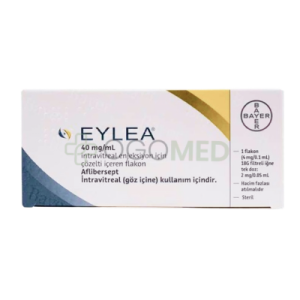
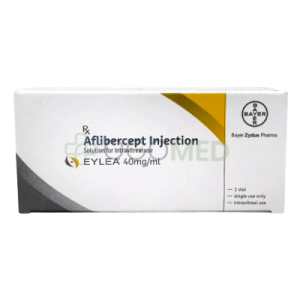
Eylea has reshaped the retina clinic — in a single office visit, a tiny dose can seal leaking vessels and rescue eyesight. Still, most patients only relax once they know how long the drug keeps working and what ripple effects may follow. This guide distills the science and the lived experience of real-world users so you can walk into your next appointment confident and prepared.
Once the Eylea dose reaches the vitreous cavity, it diffuses toward the macula within minutes. The active molecule, aflibercept, acts as a decoy receptor for vascular endothelial growth factor, the messenger that summons new veins when the retina is starved of oxygen. By mopping up that growth signal, the drug prevents fragile networks from sprouting and leaking. In the same stroke, it also reduces existing swelling, easing macular edema and protecting central vision. This targeted blockade explains why anti VEGF therapy has replaced steroids as first-line care for many retinal disorders.
Pharmacokinetic studies show that aflibercept can be detected in ocular fluids for six to eight weeks, but its clinical effects usually last longer because the protein remains bound to VEGF on cell membranes. Most physicians schedule the next intravitreal injection eight weeks after the loading phase for most adults. During that window, the medication keeps hostile vascular channels dormant and stabilizes fluid levels, so macular edema does not rebound. Individual metabolism also matters. A high-myopic eye can dilute medication faster than a small hyperopic globe, while a vitrectomised eye may clear molecules almost twice as quickly. Genetics, kidney function, and even smoking status influence clearance rates — explaining why two friends on identical calendars can report very different dry-time spans after therapy.
The drug is a soluble receptor fusion that grabs not only VEGF-A and VEGF-B but also placental growth factor. In doing so, it neutralizes endothelial growth factor VEGF, the chief architect behind the chaotic lattice of abnormal veins. By starving these structures, Eylea halts abnormal blood vessel growth before the fragile walls leak serum or bleed. In diseases driven by age related macular degeneration and diabetic ischemia, that single maneuver transforms the battlefield, turning a once-fatal cascade into a manageable chronic process. The success of anti VEGF injections has re-defined retinal practice, with fewer scars and a measurable drop in permanent vision loss worldwide.
After the initial loading trio, clinicians choose among three maintenance calendars that strike different balances between disease control and clinic burden:
Each pathway tries to minimize appointment fatigue while preventing micro-recurrences that could steal vision. Your doctor will also factor in systemic risks, geographic access, and personal work schedules before stretching beyond eight weeks. 
Most people leave the clinic with mild irritation, but it pays to recognize early side effects and act quickly. The main short-term side effects generally emerge within the first 48 hours after an intravitreal injection. Below is a cheat-sheet you can stick to your fridge:
These warning signs are part of the routine safety script handed out in every clinic because catching rare catastrophes early protects against irreversible damage.
Although aflibercept rarely provokes dramatic events, surveillance registries have logged a handful of long term side effects of Eylea injections that every patient should keep on the radar. Collectively called Eylea-related effects, these late complications include:
Current evidence suggests that these issues remain far less common than the blindness that uncontrolled disease would cause. Still, periodic cardiovascular checks and imaging audits help flag emerging side effects early, preserving the overall safety profile of the medication.
Many people assume that age related macular degeneration is the only route to leaking vessels, yet trauma, myopic choroidal neovascularization, and inherited disorders can spark wet macular degeneration (the exudative form of AMD) years before retirement age. In younger eyes, the retina tends to heal faster, but unchecked abnormal blood vessel growth can still scar the fovea within weeks. Prompt anti VEGF treatment — often the same Eylea treatment used in grandparents—levels the playing field by drying fluid and forcing the aberrant network to regress. For families juggling work, school, and clinic visits, shared care plans reduce missed appointments and keep vision stable.
Before 2004, photocoagulation with thermal laser surgery was the gold standard for sealing retinal leaks, but the burns created permanent scotomas. Modern anti VEGF therapy flips the script by targeting vascular endothelial growth factor rather than the tissue itself. Compare the two approaches side-by-side:
Because anti VEGF therapy addresses the root chemistry, most guidelines reserve the laser for rescue maneuvers or cases where injection access is impossible. Optical coherence tomography and fluorescein angiography provide real-time feedback, turning every follow-up into a data point that refines the next interval—something heat-based methods simply cannot match.
A minority of eyes keep leaking despite textbook dosing. Retinal specialists then pivot to alternate molecules, combination regimens, or surgery:
Each option resets the risk–benefit equation, and with it the side effects profile, but salvaging photoreceptors usually outweighs new worries.
Prescription costs cause more missed appointments than any ocular symptom. If you must purchase Eylea out of pocket, ask your clinic about compassionate-use vials, foundation grants, or insurance prior-authorization packets that can shave thousands off the annual bill. Budget also for imaging fees, travel, and the occasional emergency visit triggered by scheduling conflicts. Some patients open a dedicated savings account, so the quarterly invoice never collides with rent or tuition bills. Others coordinate same-day appointments with relatives to share travel costs. Whichever strategy fits your lifestyle, building financial resilience around therapy ensures continuity and peace of mind. If cost hurdles feel overwhelming, nonprofit patient navigators can often unlock hidden subsidy pathways. Keeping a digital calendar that flags each upcoming appointment prevents accidental lapses — the number-one cause of relapse and additional Eylea injection sessions.
Eylea’s residency in the eye is measured in weeks, but its impact on your sight depends on disciplined follow-up and early recognition of red flags. Armed with the timeline, the dosing strategies, and a realistic view of potential complications, you can partner with your retina team to keep everyday life — and your reading vision — steady. Stay organised, ask questions at every visit, and remember that modern retina care is a marathon, not a sprint. With knowledge in your corner, each appointment becomes another step toward years of stable, comfortable seeing.